• dazzlinginfotech.co.in
  • No. 81, 33, Thiyagappa Chetty St, Meenambal Nagar, Korukkupet, Old Washermanpet, Chennai, Tamil Nadu 600021

CCTV Camera Setup at Home

CCTV Camera Setup at Home

CCTV Camera Setup at Home: Complete Installation Guide

Installing a CCTV camera system at home is one of the best ways to improve security and protect your family and property. With modern technology, home CCTV systems are more affordable, user-friendly, and accessible than ever before. Whether you want to monitor entrances, driveways, or indoor areas, a properly installed CCTV system provides 24/7 surveillance and peace of mind.

In this blog, we’ll guide you through the complete process of setting up CCTV cameras at home.

Why Install CCTV Cameras at Home?

Home security is essential in today’s world. CCTV cameras offer multiple benefits:

  • Continuous 24/7 monitoring
  • Crime prevention and deterrence
  • Remote viewing via smartphone
  • Recorded video evidence
  • Monitoring deliveries and visitors
  • Increased safety for children and elderly family members

Visible security cameras alone can discourage burglars and unwanted activities.

Types of CCTV Cameras for Home Use

Before setting up your system, choose the right camera type based on your needs.

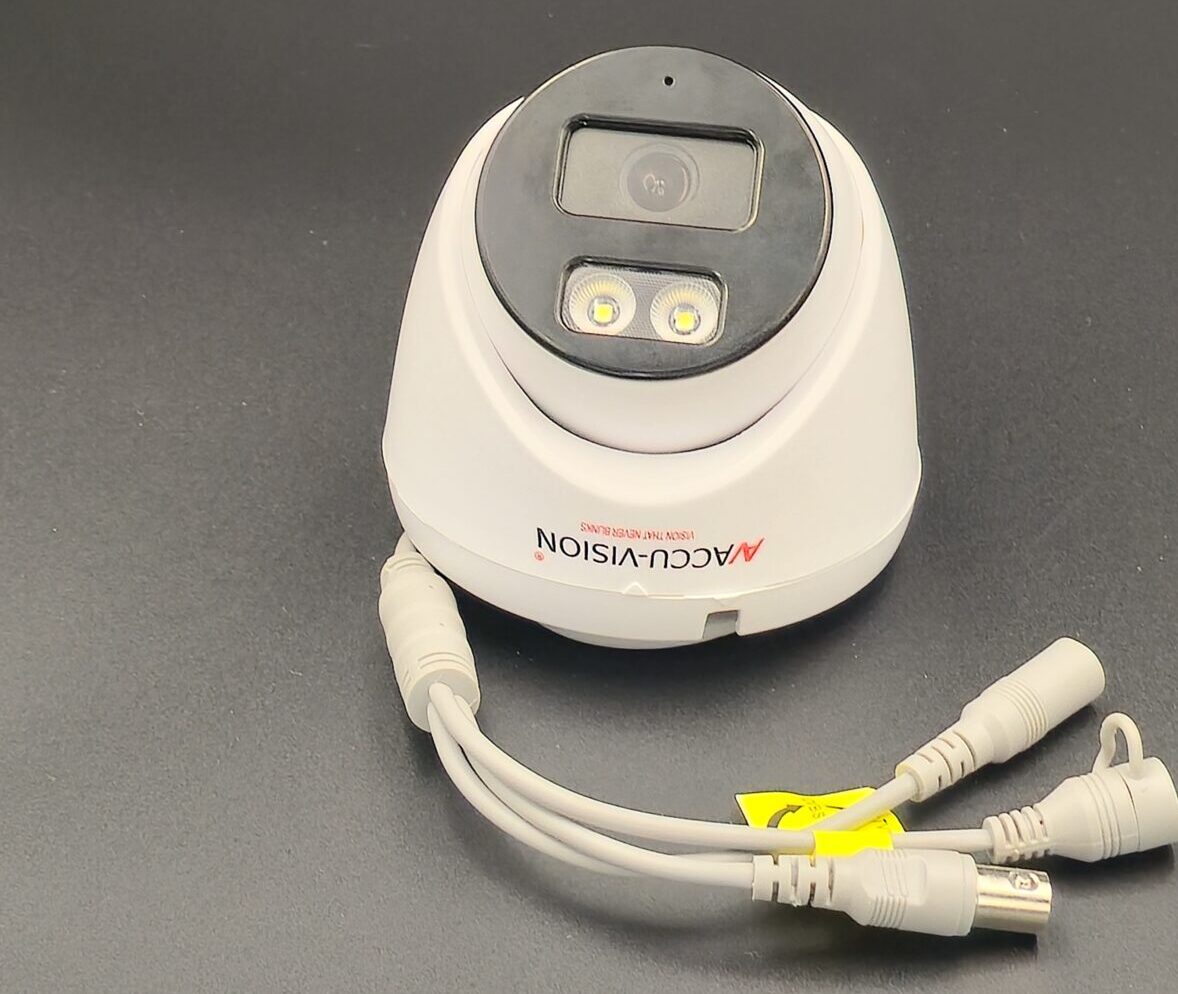
1. Dome Cameras

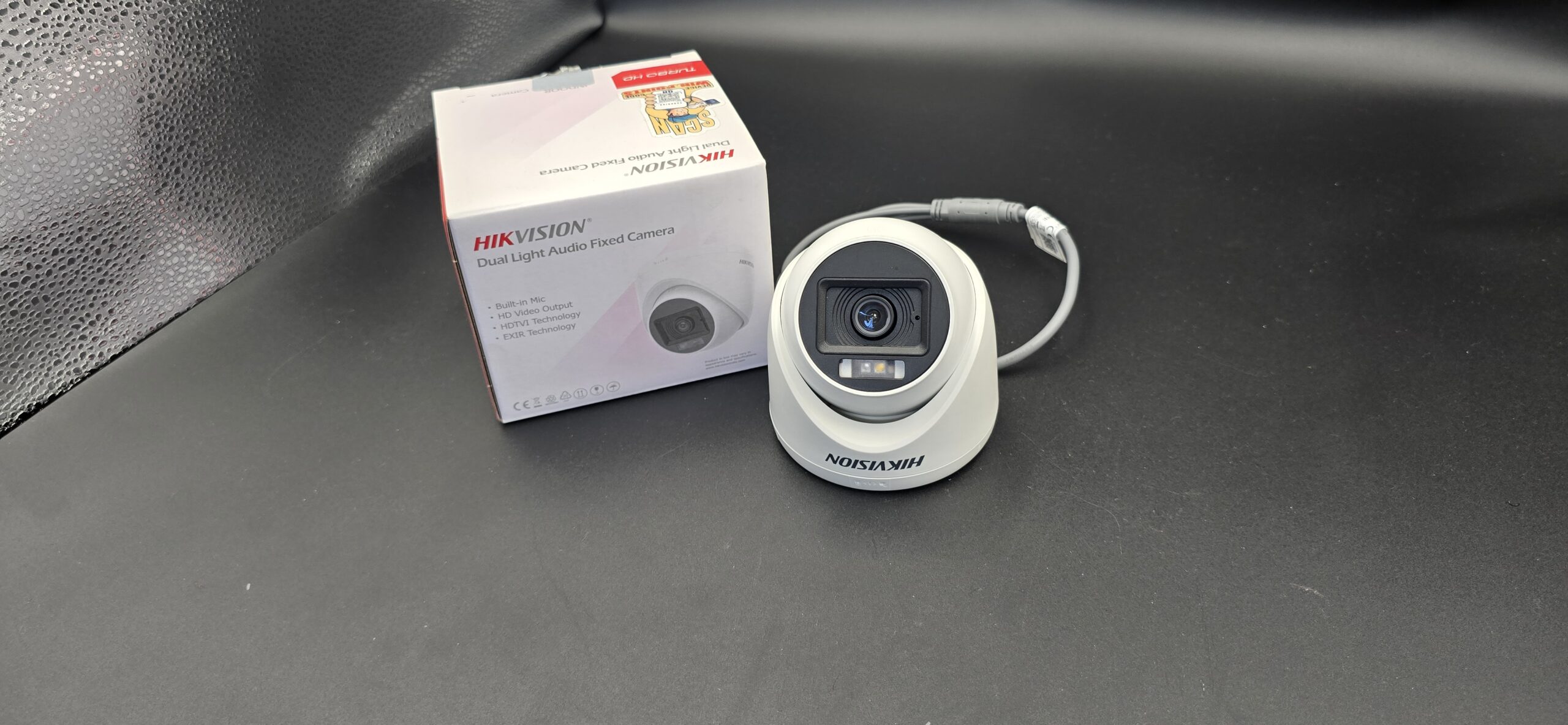
Ideal for indoor use. They are compact, stylish, and blend easily with home interiors.

2. Bullet Cameras

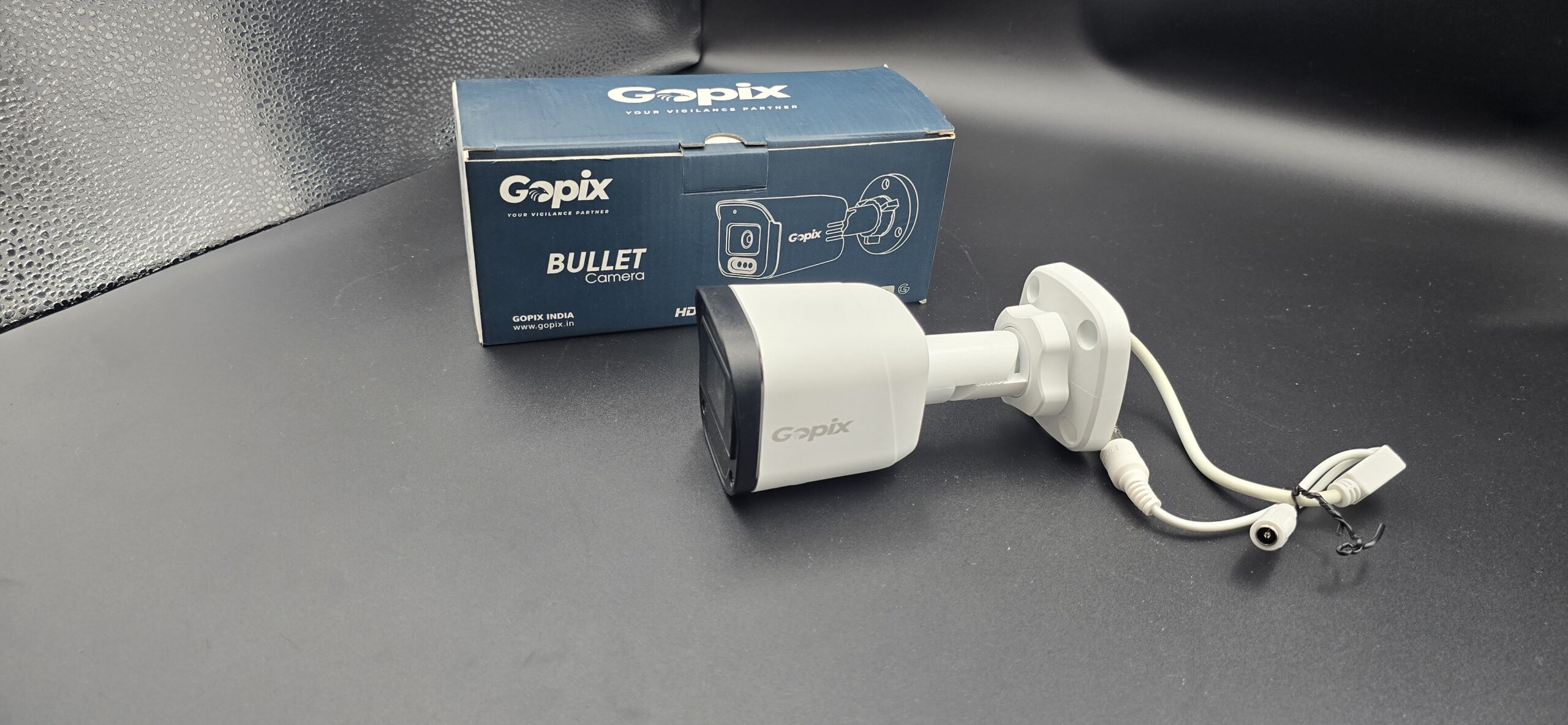
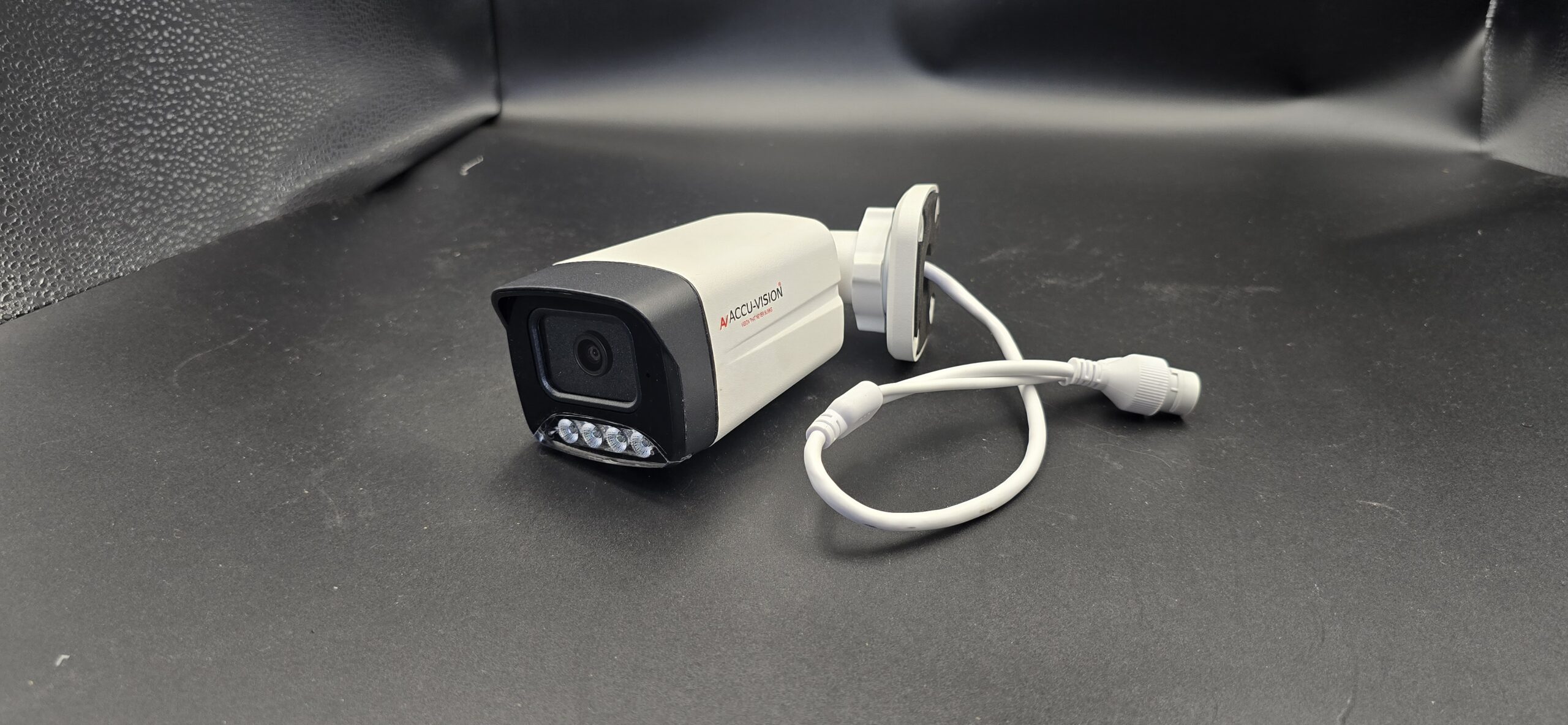
Perfect for outdoor areas such as entrances and driveways. Their visible design acts as a strong deterrent.

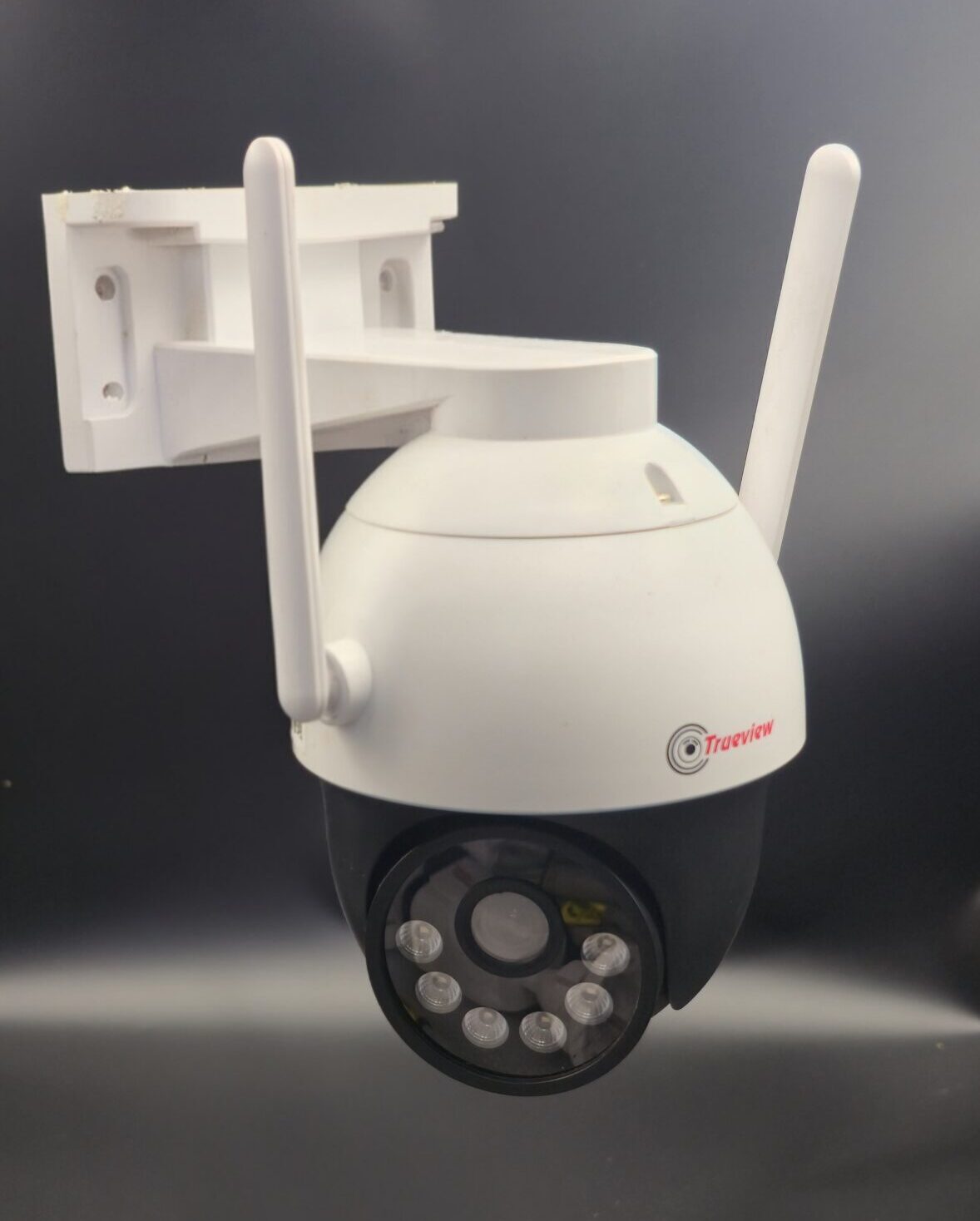
3. PTZ Cameras

Pan, Tilt, and Zoom cameras allow wider coverage and detailed monitoring.

4. IP Cameras

Internet-based cameras that provide high-definition video and remote access.

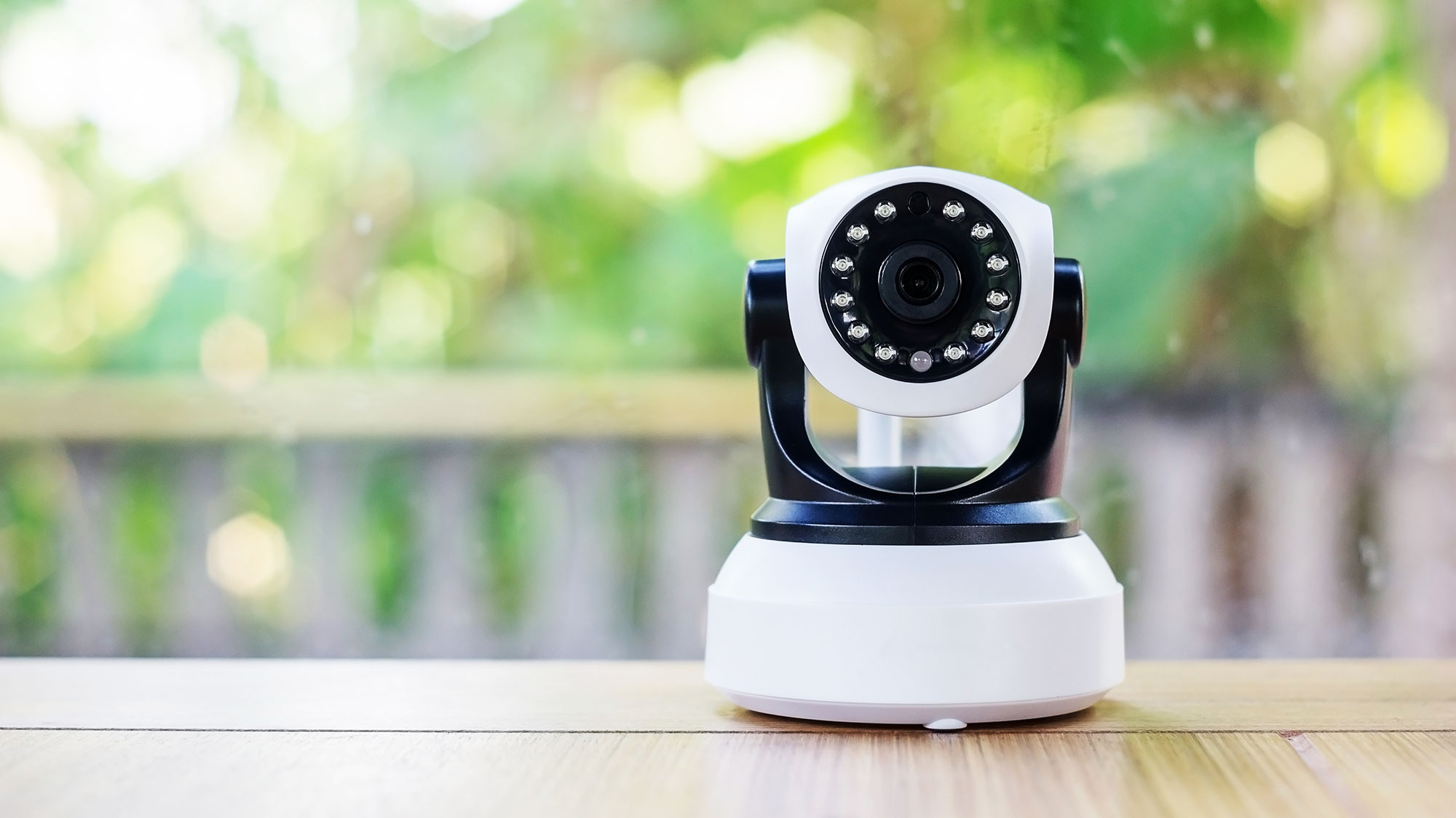
5. Wireless CCTV Cameras

Easy to install with minimal wiring. Ideal for small homes and apartments.

Equipment Required for Home CCTV Setup

To install a CCTV system at home, you will need:

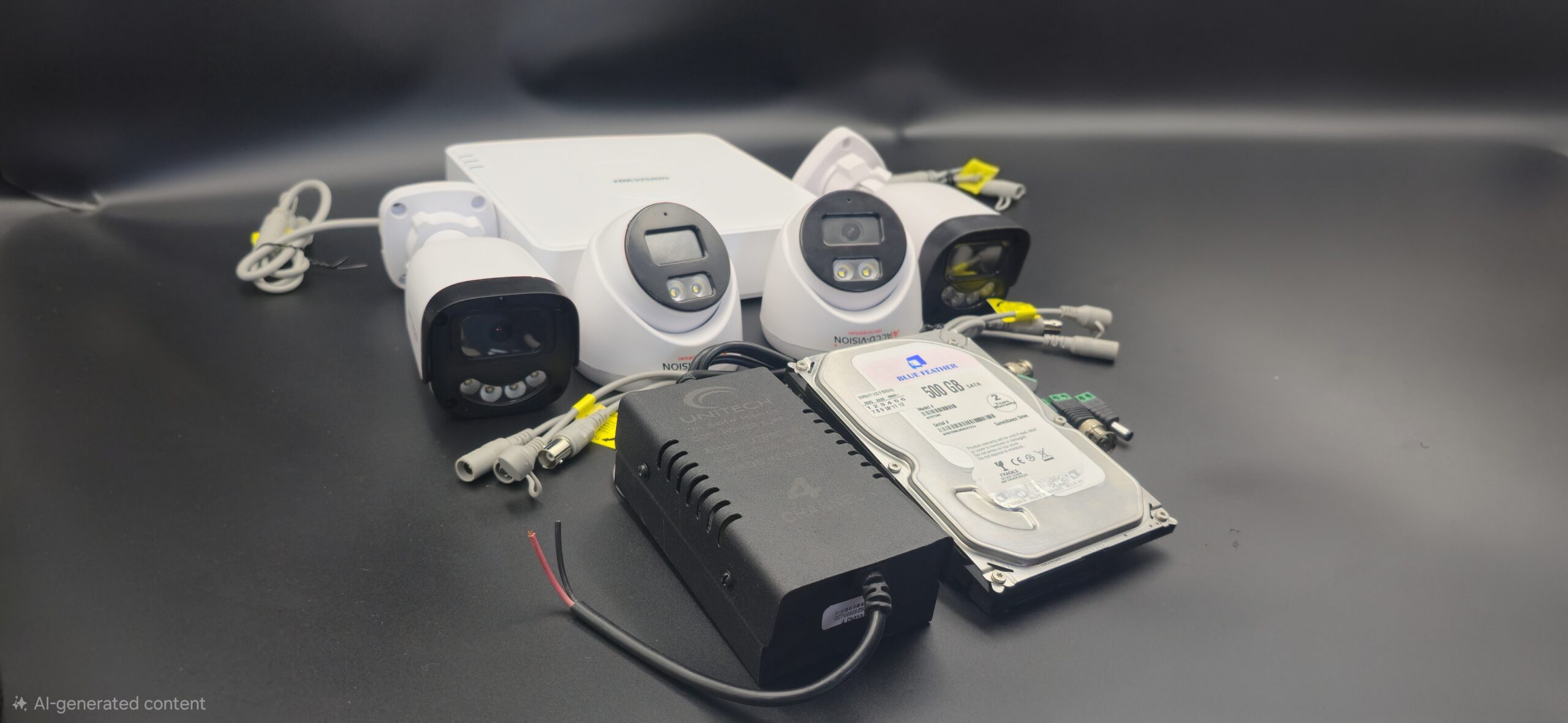
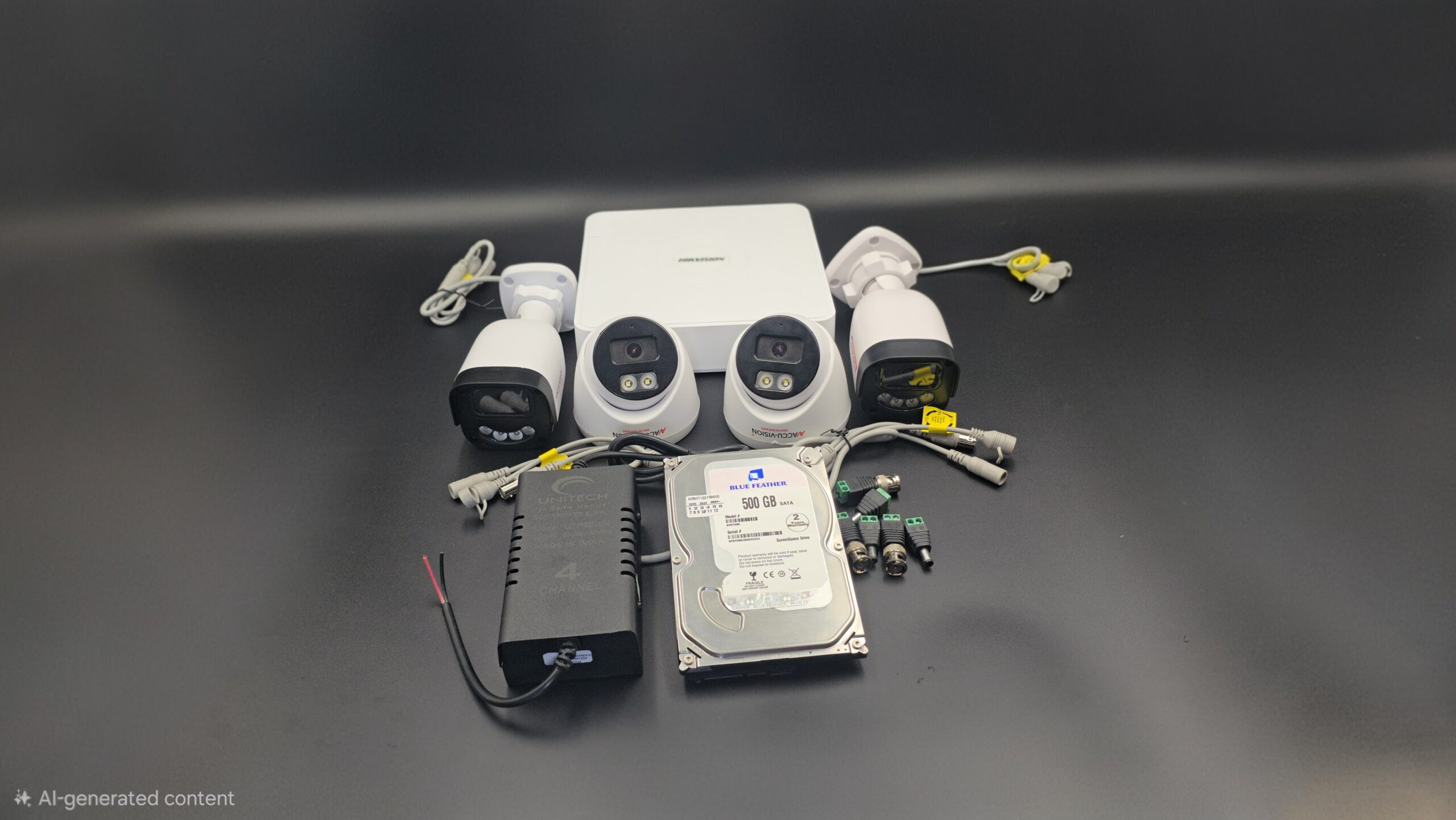
  • CCTV cameras
  • DVR (for analog cameras) or NVR (for IP cameras)
  • Hard drive for video storage
  • Power adapters
  • Coaxial or Ethernet cables
  • Monitor or TV
  • Internet router (for remote access)
  • Mounting tools (drill, screws, brackets)

Step-by-Step CCTV Camera Setup at Home

Step 1: Plan Camera Placement

Identify important areas to monitor:

  • Main entrance
  • Back door
  • Garage
  • Driveway
  • Backyard
  • Living room or hallway

Avoid installing cameras in private areas such as bathrooms or bedrooms.

Step 2: Mount the Cameras

  • Install cameras 8–10 feet above ground level.
  • Secure them using proper mounting brackets.
  • Adjust angles to eliminate blind spots.
  • Ensure outdoor cameras are weatherproof.

Step 3: Connect Cameras to DVR/NVR

  • Use coaxial cables for analog systems.
  • Use Ethernet cables for IP camera systems.
  • Install and connect the hard drive to the recorder for storage.

Step 4: Connect Power Supply

Plug cameras and DVR/NVR into power outlets. Use surge protectors to safeguard against electrical damage.

Step 5: Connect to Monitor

Use HDMI or VGA cable to connect the recorder to a monitor or TV. Turn on the system and verify live camera feeds.

Step 6: Configure System Settings

  • Set date and time correctly.
  • Create a strong password.
  • Choose recording mode (continuous or motion-based).
  • Set up mobile app for remote viewing.
  • Adjust motion detection sensitivity and alert settings.

Step 7: Test the System

  • Check video quality and clarity.
  • Test night vision.
  • Verify motion detection alerts.
  • Playback recorded footage.
  • Confirm remote access works smoothly.

Wired vs Wireless CCTV for Home

Feature Wired CCTV Wireless CCTV
Installation More complex Easier
Stability Highly stable Depends on WiFi
Flexibility Fixed Easy to relocate
Best For Large homes Apartments & small homes

Choose wired systems for long-term reliability and wireless systems for easy installation and flexibility.

Tips for Better Home CCTV Performance

  • Choose cameras with at least 1080p resolutio
  • Keep system firmware updated.
  • Clean camera lenses regularly.
  • Use strong passwords for security.
  • Check storage capacity frequently.

Common Mistakes to Avoid

  • Poor camera placement
  • Ignoring blind spots
  • Weak internet connection (for IP cameras)
  • Using low-quality cables
  • Skipping system testing

Conclusion

Setting up CCTV cameras at home is a smart investment in safety and security. With proper planning, quality equipment, and correct installation, you can create a reliable surveillance system that protects your home 24/7.

Home security starts with preparation—and a well-installed CCTV camera system ensures peace of mind for you and your family.
read more

Full CCTV Camera Setup

Full CCTV Camera Setup: Complete Guide for Home and Business Security

A full CCTV camera setup is one of the most effective ways to protect your property, monitor activities, and ensure safety. Whether you are installing CCTV cameras for your home, office, shop, or warehouse, a proper setup ensures 24/7 surveillance and reliable recording.

In this blog, you’ll learn everything about a complete CCTV camera setup — from equipment selection to installation and maintenance.

What is a CCTV Camera System?

CCTV (Closed-Circuit Television) is a video surveillance system where cameras transmit footage to a specific monitor or recording device. Unlike broadcast television, CCTV footage is private and used mainly for security purposes.

A full CCTV setup includes cameras, recording devices, storage, power supply, and monitoring systems.

Components of a Full CCTV Camera Setup

To install a complete CCTV system, you need the following components:

1. CCTV Cameras

The most important part of the system. Types include:

  • Dome Cameras – Best for indoor use
  • Bullet Cameras – Ideal for outdoor areas
  • PTZ Cameras – Pan, tilt, and zoom functionality
  • IP Cameras – High-definition, internet-based cameras

2. DVR or NVR

  • DVR (Digital Video Recorder) – Used with analog cameras
  • NVR (Network Video Recorder) – Used with IP cameras

3. Hard Drive

Stores recorded video footage. Choose storage size based on:

  • Number of cameras
  • Recording resolution
  • Recording duration

4. Cables

  • Coaxial cables (analog systems)
  • Ethernet cables (IP systems)
  • Power cables

5. Power Supply Unit

Provides electricity to cameras and recording devices.

6. Monitor or TV

Used to view live camera feeds and playback recordings.

7. Internet Router

Required for remote viewing on mobile or desktop.

Step-by-Step Full CCTV Camera Setup

Step 1: Plan Camera Placement

Identify important areas such as:

  • Main entrance
  • Back door
  • Driveway
  • Garage
  • Backyard
  • Hallways
  • Cash counter (for business)

Avoid placing cameras in private areas like bathrooms or bedrooms.

Step 2: Install and Mount Cameras

  • Install cameras at a height of 8–10 feet.
  • Secure mounting brackets firmly.
  • Adjust camera angles to remove blind spots.
  • Use weatherproof cameras for outdoor areas.

Step 3: Install DVR/NVR and Hard Drive

  • Place DVR/NVR in a safe and ventilated location.
  • Install the hard drive inside the recorder.
  • Connect cameras to DVR using coaxial cables (analog) or Ethernet cables (IP).

Step 4: Connect Power Supply

  • Plug cameras into power adapters.
  • Connect DVR/NVR to a power outlet.
  • Use surge protectors to prevent electrical damage.

Step 5: Connect to Monitor

  • Use HDMI or VGA cable to connect DVR/NVR to a monitor.
  • Turn on the system and check all camera feeds.

Step 6: Configure the System

After powering on:

  • Set date and time
  • Create a strong password
  • Select recording mode (continuous or motion detection)
  • Adjust video resolution
  • Enable remote viewing through mobile app
  • Configure motion alerts

Step 7: Test the System

  • Check live view clarity
  • Test night vision
  • Verify motion detection
  • Playback recorded footage
  • Confirm remote access works smoothly

Wired vs Wireless CCTV Setup

Feature Wired CCTV Wireless CCTV
Installation More complex Easier
Stability Highly stable Depends on WiFi
Flexibility Fixed Easy to relocate
Best For Large properties Small homes & offices

Wired systems are more stable and suitable for long-term installations, while wireless systems offer easy setup and flexibility.

Tips for Better CCTV Performance

  • Use cameras with at least 1080p resolution
  • Ensure proper lighting
  • Use high-quality cables
  • Regularly update firmware
  • Secure the system with strong passwords
  • Clean camera lenses periodically

Common Mistakes to Avoid

  • Poor camera placement
  • Ignoring blind spots
  • Weak internet connection
  • Not testing the system
  • Using low-quality equipment

Maintenance of CCTV System

To keep your CCTV system running efficiently:

  • Inspect cables regularly
  • Clean lenses
  • Monitor storage capacity
  • Check hard drive health
  • Review footage occasionally

Conclusion

A full CCTV camera setup requires proper planning, correct equipment, and careful installation. When done correctly, it provides round-the-clock surveillance, enhances safety, and gives you peace of mind.

Investing in a complete CCTV system is not just about installing cameras — it’s about creating a secure environment for your family, employees, and property.

read more

Home CCTV Camera Setup

Home CCTV Camera Setup: Complete Guide for Safe & Smart Living

Installing a home CCTV camera system is one of the most effective ways to protect your family, property, and valuables. With modern technology, setting up a CCTV system has become easier and more affordable than ever. Whether you want to monitor your entrance, driveway, or indoor areas, a properly installed CCTV system provides 24/7 security and peace of mind.

In this blog, we’ll walk you through everything you need to know about home CCTV camera setup.

Why Install CCTV Cameras at Home?

Home security is a top priority for every homeowner. CCTV cameras offer several benefits:

  • 24/7 surveillance
  • Crime deterrence
  • Remote monitoring via smartphone
  • Evidence in case of incidents
  • Monitoring deliveries and visitors
  • Enhanced safety for children and elderly

Visible cameras alone can discourage potential intruders from targeting your home.

Types of CCTV Cameras for Home

Before setting up your system, choose the right type of camera:

1. Dome Cameras

Ideal for indoor use. They are compact and blend easily with home interiors.

2. Bullet Cameras

Best for outdoor areas like driveways and entrances. Their visible design acts as a deterrent.

3. PTZ Cameras

These cameras can pan, tilt, and zoom to cover larger areas.

4. IP Cameras

Internet-based cameras that offer high-definition video and remote access.

5. Wireless CCTV Cameras

Easy to install and connect via WiFi with minimal wiring.

Equipment Needed for Home CCTV Setup

To set up a CCTV system at home, you will need:

Step-by-Step Home CCTV Camera Setup

Step 1: Plan Camera Placement

Identify key areas that require monitoring:

  • Main entrance
  • Back door
  • Garage
  • Driveway
  • Living room
  • Backyard

Avoid placing cameras in private areas such as bathrooms or bedrooms.

Step 2: Install the Cameras

  • Mount cameras 8–10 feet above ground.
  • Secure them firmly using brackets and screws.
  • Adjust angles to cover maximum area without blind spots.
  • Ensure outdoor cameras are weatherproof.

Step 3: Connect Cameras to DVR/NVR

  • For analog systems, use coaxial cables.
  • For IP systems, use Ethernet cables.
  • Install a hard drive inside the DVR/NVR for recording.

Step 4: Connect Power Supply

Plug cameras and recording devices into a power source. Use surge protectors to protect against electrical damage.

Step 5: Connect to Monitor

Use HDMI or VGA cable to connect the DVR/NVR to a monitor or TV. Power on the system and check live camera feeds.

Step 6: Configure Settings

  • Set date and time.
  • Create a strong password.
  • Choose recording mode (continuous or motion detection).
  • Enable remote viewing through a mobile app.
  • Adjust motion sensitivity and alert settings.

Step 7: Test the System

  • Check video clarity and night vision.
  • Test motion alerts.
  • Playback recorded footage.
  • Ensure remote access works smoothly.

Wired vs Wireless Home CCTV Setup

Feature Wired CCTV Wireless CCTV
Installation More complex Easier
Stability Very stable Depends on WiFi
Flexibility Limited movement Easy to relocate
Cost Higher installation cost Lower installation cost

Choose wired systems for long-term reliability and wireless systems for flexibility and easy setup.

Tips for Better Home CCTV Performance

  • Choose cameras with at least 1080p resolution.
  • Ensure proper lighting for clear footage.
  • Keep firmware updated.
  • Clean lenses regularly.
  • Secure your system with strong passwords.
  • Check storage capacity periodically.

Common Mistakes to Avoid

  • Poor camera placement
  • Ignoring blind spots
  • Weak internet connection for IP cameras
  • Using low-quality cables
  • Not testing the system after installation

Conclusion

A proper home CCTV camera setup provides round-the-clock protection and peace of mind. With the right equipment, correct placement, and proper configuration, you can build a reliable security system for your home.

Investing in CCTV is not just about monitoring—it’s about creating a safer environment for your family. Plan carefully, install correctly, and maintain regularly to ensure your home stays secure at all times.

read more

House Camera Installation

House Camera Installation: Complete Guide for Home Security

Installing security cameras in your house is one of the most effective ways to protect your family and property. With rising safety concerns, house camera installation has become a practical solution for homeowners who want 24/7 monitoring and peace of mind. Whether you choose wired CCTV cameras or modern WiFi security cameras, proper installation is key to getting the best results.

In this blog, we’ll cover everything you need to know about house camera installation—from planning to setup and maintenance.

Why Install Security Cameras at Home?

House cameras provide more than just video recording. They offer:

When cameras are visible, they can discourage burglars and unwanted activity before it even happens.

Types of House Security Cameras

Before installation, it’s important to choose the right type of camera for your home.

1. Indoor Cameras

Perfect for living rooms, hallways, or staircases. They are compact and easy to install.

2. Outdoor Cameras

Weatherproof and durable, ideal for entrances, driveways, and backyards.

3. Dome Cameras

Discreet and commonly used indoors.

4. Bullet Cameras

Highly visible and great for outdoor security.

5. WiFi Cameras

Wireless cameras that connect through the internet for remote access.

6. IP Cameras

High-definition cameras that provide clear video and smart features.

Planning House Camera Installation

Proper planning ensures maximum coverage and effectiveness.

Identify Key Areas

Install cameras at:

  • Main entrance
  • Back door
  • Garage
  • Driveway
  • Backyard
  • Hallways

Avoid placing cameras in private areas like bathrooms or bedrooms.

Tools and Equipment Required

You may need:

  • Security cameras
  • DVR or NVR (for wired systems)
  • Hard drive
  • Power supply
  • Ethernet or coaxial cables
  • Drill machine and screws
  • Monitor
  • Internet router (for remote viewing)

Step-by-Step House Camera Installation

Step 1: Choose Camera Locations

Select areas with clear visibility and minimal obstructions. Ensure WiFi signal strength is strong for wireless cameras.

Step 2: Mount the Cameras

Outdoor cameras should be protected from direct rain and sunlight when possible.

Step 3: Run Cables (For Wired Systems)

  • Connect cameras to DVR using coaxial or Ethernet cables.
  • Secure wires properly to avoid damage.
  • Keep cables hidden for a neat appearance.

Step 4: Connect Power Supply

Plug cameras and DVR/NVR into power outlets. Use surge protectors for safety.

Step 5: Connect to Monitor

Attach DVR/NVR to a monitor using HDMI or VGA cable. Turn on the system and check live footage.

Step 6: Configure Settings

  • Set date and time.
  • Create a strong password.
  • Adjust recording mode (continuous or motion detection).
  • Set up mobile app for remote access.

Step 7: Test the System

Make sure everything works properly before finalizing installation.

Wired vs Wireless House Cameras

Feature Wired Cameras Wireless Cameras
Installation More complex Easier
Stability Highly stable Depends on WiFi
Flexibility Fixed position Easy to relocate
Cost Higher setup cost Lower setup cost

Choose wired systems for long-term reliability and wireless systems for convenience and flexibility.

Maintenance Tips

To keep your house cameras working properly:

  • Clean lenses regularly.
  • Check connections and cables.
  • Update firmware.
  • Monitor storage capacity.
  • Test cameras periodically.

Common Installation Mistakes to Avoid

  • Installing cameras too low
  • Ignoring lighting conditions
  • Covering too much or too little area
  • Using weak passwords
  • Not testing the system

Conclusion

House camera installation is a smart investment in home security. With proper planning, correct equipment, and professional setup, you can create a reliable surveillance system that protects your loved ones and property 24/7.

Whether you choose wired or wireless cameras, the key to effective home security lies in proper placement, configuration, and regular maintenance. Secure your home today and enjoy greater safety and peace of mind.

read more

CCTV Camera Complete Setup

CCTV Camera Complete Setup: Step-by-Step Guide for Home & Business

A CCTV camera system is one of the most reliable ways to protect your home, office, shop, or warehouse. A complete setup ensures continuous monitoring, recorded evidence, and remote access for better security control. Whether you are installing a new system or upgrading an existing one, this comprehensive guide will walk you through the entire CCTV camera setup process.

What is a CCTV Camera System?

CCTV (Closed-Circuit Television) is a surveillance system where cameras transmit video signals to a limited set of monitors or recording devices. Unlike public broadcasting, CCTV footage is private and used mainly for security and monitoring.

Components of a Complete CCTV Setup

To install a CCTV system properly, you need the following equipment:

1. CCTV Cameras

These capture video footage. Common types include:

2. DVR or NVR

  • DVR (Digital Video Recorder) – Used for analog cameras
  • NVR (Network Video Recorder) – Used for IP cameras

3. Hard Drive

Stores recorded video footage. Storage size depends on the number of cameras and recording duration.

4. Cables

  • Coaxial cables (analog systems)
  • Ethernet cables (IP systems)
  • Power cables

5. Power Supply

Provides electricity to cameras and recording devices.

6. Monitor

Used to view live footage and playback recordings.

7. Internet Router

Required for remote viewing via mobile app or computer.

Step-by-Step CCTV Camera Complete Setup

Step 1: Plan Camera Placement

Identify areas that need monitoring, such as:

  • Main entrance and exit
  • Driveway or parking area
  • Backyard
  • Hallways
  • Cash counter (for businesses)

Avoid installing cameras in private areas like bathrooms or bedrooms.

Step 2: Install Cameras

  • Mount cameras at a height of 8–10 feet.
  • Secure them using proper screws and brackets.
  • Adjust the angle to eliminate blind spots.
  • Ensure outdoor cameras are weatherproof and protected.

Step 3: Install DVR/NVR

Step 4: Connect Power Supply

  • Connect cameras to their power adapters.
  • Plug DVR/NVR into a power outlet.
  • Use surge protectors to avoid electrical damage.

Step 5: Connect to Monitor

  • Use HDMI or VGA cable to connect DVR/NVR to a monitor or TV.
  • Turn on the system and check camera feeds.

Step 6: Configure the System

After powering on:

  • Set date and time.
  • Create a strong admin password.
  • Choose recording mode (continuous or motion detection).
  • Adjust video resolution settings.
  • Set up remote viewing via mobile app.

Step 7: Test the System

  • Check live video quality.
  • Test night vision performance.
  • Verify motion detection alerts.
  • Playback recorded footage.
  • Ensure remote access works properly.

Wired vs Wireless CCTV Setup

Feature Wired CCTV Wireless CCTV
Installation Complex Easier
Stability Highly stable Depends on WiFi
Flexibility Fixed Easy to relocate
Cost Higher installation cost Lower installation cost

Wired systems are more stable for long-term use. Wireless systems are flexible and easier to install.

Tips for Better CCTV Performance

  • Choose at least 1080p HD cameras.
  • Ensure proper lighting for clear footage.
  • Use high-quality cables.
  • Regularly update firmware.
  • Secure system with strong passwords.
  • Clean camera lenses periodically.

Common Mistakes to Avoid

  • Poor camera placement
  • Ignoring blind spots
  • Weak internet connection (for IP cameras)
  • Not testing the system
  • Using low-quality equipment

Maintenance of CCTV System

To keep your system running smoothly:

  • Inspect wiring regularly.
  • Clean lenses for better clarity.
  • Monitor storage capacity.
  • Check hard drive health.
  • Review recorded footage periodically.

Conclusion

A complete CCTV camera setup involves proper planning, correct equipment selection, professional installation, and regular maintenance. When installed correctly, a CCTV system provides 24/7 surveillance, improved security, and peace of mind.

Investing in a CCTV camera system is not just about installing cameras—it’s about creating a safer environment for your family, employees, and property.

read more

Wifi Security Camera Setup

What is a WiFi Security Camera?

A WiFi security camera is a wireless surveillance device that connects to your internet network. Unlike traditional wired CCTV systems, WiFi cameras transmit video data through your router, allowing you to view live footage remotely through a mobile app or computer.

Benefits of WiFi Security Cameras

Installing a WiFi security camera offers several advantages:

  • Easy installation with minimal wiring
  • Remote access via smartphone
  • Real-time alerts and notifications
  • High-definition video quality
  • Flexible placement options
  • Cloud and local storage options

These features make WiFi cameras ideal for homes, small offices, apartments, and rental properties.

Equipment Needed for WiFi Camera Setup

Before starting installation, make sure you have:

Step-by-Step WiFi Security Camera Setup

Step 1: Choose the Right Location

Select a location that provides a clear view of the area you want to monitor, such as:

  • Main entrance
  • Backyard
  • Living room
  • Garage
  • Office entrance

Make sure the camera is within range of your WiFi signal for stable connectivity.

Step 2: Power On the Camera

Plug the camera into a power outlet or insert fully charged batteries. Wait for the indicator light to show that the device is ready for setup.

Step 3: Download the Mobile App

Most WiFi cameras come with a dedicated app. Download it from the Google Play Store or Apple App Store. Create an account or log in.

Step 4: Connect Camera to WiFi

  • Open the app and select “Add Device” or “Setup Camera.”
  • Scan the QR code on the camera (if required).
  • Select your WiFi network.
  • Enter your WiFi password.
  • Wait for the camera to connect successfully.

Ensure you are connecting to a 2.4GHz WiFi network if the camera does not support 5GHz.

Step 5: Mount the Camera

After successful setup:

  • Use mounting brackets to install the camera.
  • Install it at a height of 8–10 feet for better coverage.
  • Adjust the angle to avoid blind spots.

For outdoor cameras, ensure they are weatherproof.

Step 6: Configure Settings

Customize your camera settings:

  • Set motion detection sensitivity
  • Enable push notifications
  • Adjust video resolution
  • Set recording mode (continuous or motion-based)
  • Configure night vision

Also, create a strong password for security.

Step 7: Test the Camera

  • Check live video streaming.
  • Test motion alerts.
  • Verify night vision quality.
  • Playback recorded footage.

Make sure everything works properly before finalizing installation.

Storage Options for WiFi Security Cameras

WiFi cameras typically offer two storage options:

1. Cloud Storage

  • Secure online storage
  • Accessible from anywhere
  • Subscription-based

2. SD Card Storage

  • Local storage inside the camera
  • No monthly fees
  • Limited by card capacity

Choose the option that best fits your needs.

Common WiFi Camera Setup Issues

Here are some common problems and solutions:

Tips for Better WiFi Security Camera Performance

  • Use high-speed internet.
  • Keep firmware updated.
  • Avoid placing cameras near thick walls or metal objects.
  • Secure your WiFi with a strong password.
  • Regularly clean the camera lens.

Conclusion

Setting up a WiFi security camera is simple and convenient. With proper placement, stable internet, and correct configuration, you can monitor your property anytime and from anywhere. Whether for home or office use, WiFi security cameras provide modern, flexible, and reliable security solutions.

Invest in a quality WiFi camera today and enjoy enhanced safety, control, and peace of mind.

read more

CCTV Complete Setup

CCTV Complete Setup Guide: Everything You Need to Know

Installing a CCTV system is one of the smartest decisions you can make to improve security at your home or business. A complete CCTV setup not only deters crime but also provides real-time monitoring and recorded evidence when needed. Whether you are installing a system for the first time or upgrading an existing one, this detailed guide will walk you through the entire CCTV setup process.

What is a CCTV System?

CCTV (Closed-Circuit Television) is a surveillance system that uses cameras to transmit video signals to a specific set of monitors or recording devices. Unlike broadcast television, CCTV footage is private and used mainly for security and monitoring purposes.

Components of a Complete CCTV Setup

Before starting installation, it’s important to understand the main components required:

1. CCTV Cameras

These capture video footage. Options include:

  • Dome Cameras (indoor use)
  • Bullet Cameras (outdoor use)
  • PTZ Cameras (pan, tilt, zoom)
  • IP Cameras (internet-based)

2. DVR or NVR

  • DVR (Digital Video Recorder) – Used with analog cameras.
  • NVR (Network Video Recorder) – Used with IP cameras.

3. Hard Drive

Stores recorded footage. Choose storage capacity based on the number of cameras and recording duration.

4. Cables

  • Coaxial cables (for analog systems)
  • Ethernet cables (for IP systems)
  • Power cables

5. Power Supply

Provides electricity to cameras and recording devices.

6. Monitor

Used to view live footage and playback recordings.

7. Router/Internet Connection

Required for remote viewing via mobile apps or computers.

Step-by-Step CCTV Complete Setup Process

Step 1: Plan Camera Placement

Identify important areas that need surveillance:

  • Main entrance
  • Back door
  • Driveway
  • Parking area
  • Living room or hallway
  • Office workspaces

Avoid placing cameras in private areas such as bathrooms or bedrooms.

Step 2: Install Cameras

Step 3: Install DVR/NVR

  • Place DVR/NVR in a secure and ventilated location.
  • Insert and install the hard drive.
  • Connect cameras to DVR/NVR using appropriate cables.

Step 4: Connect Power Supply

  • Connect each camera to a power adapter.
  • Plug DVR/NVR into a power outlet.
  • Use surge protectors to prevent electrical damage.

Step 5: Connect to Monitor

  • Use HDMI or VGA cable to connect DVR/NVR to a monitor.
  • Turn on the system and check live camera feeds.

Step 6: Configure System Settings

  • Set date and time.
  • Create a strong password.
  • Choose recording mode (continuous or motion detection).
  • Set up remote viewing on your smartphone.
  • Configure alerts and notifications.

Step 7: Test the Entire System

  • Check video quality.
  • Test night vision.
  • Verify motion detection.
  • Playback recorded footage.
  • Ensure remote access works properly.

Wired vs Wireless CCTV Setup

Feature Wired CCTV Wireless CCTV
Installation More complex Easier
Stability Highly stable Depends on Wi-Fi
Cost Higher installation cost Lower installation cost
Flexibility Limited movement Easy to relocate

Wired systems are ideal for long-term, stable installations. Wireless systems are suitable for small homes or rental spaces.

Tips for a Better CCTV Setup

  • Choose at least 1080p resolution cameras.
  • Use high-quality cables.
  • Keep firmware updated.
  • Regularly check storage space.
  • Clean camera lenses periodically.
  • Secure your system with a strong password.

Common Mistakes to Avoid

  • Installing cameras too low
  • Ignoring lighting conditions
  • Overlooking blind spots
  • Using weak internet for IP cameras
  • Not testing the system after installation

Maintenance After Installation

To keep your CCTV system running smoothly:

  • Inspect wiring monthly.
  • Clean lenses to maintain clarity.
  • Update software when required.
  • Check recording backups.
  • Ensure hard drive health.

Conclusion

A complete CCTV setup involves proper planning, correct equipment selection, professional installation, and regular maintenance. When installed correctly, a CCTV system provides 24/7 protection, remote monitoring, and valuable security for your property.

Investing in a complete CCTV setup is not just about installing cameras—it’s about ensuring safety, security, and peace of mind for you and your family or business.

read more

CCTV Camera Complete Installation

CCTV Camera Complete Installation Guide for Home and Office

Installing a CCTV camera system is one of the most effective ways to protect your home or business. A properly installed surveillance system not only deters crime but also provides valuable evidence and remote monitoring capabilities. In this complete guide, you’ll learn everything about CCTV camera installation—from planning and equipment selection to setup and maintenance.

Why Install a CCTV Camera System?

CCTV (Closed-Circuit Television) systems provide continuous monitoring of your property. Whether for home security or business protection, CCTV cameras offer:

  • 24/7 surveillance
  • Crime prevention
  • Remote access via smartphone
  • Recorded video evidence
  • Employee and visitor monitoring
  • Increased safety and peace of mind

Types of CCTV Cameras

Choosing the right camera is the first step in successful installation.

1. Dome Cameras

Ideal for indoor use. Compact and discreet, making it difficult to tell which direction the camera is facing.

2. Bullet Cameras

Long and cylindrical. Best for outdoor surveillance due to their weather-resistant design.

3. PTZ (Pan-Tilt-Zoom) Cameras

Can rotate and zoom for wider coverage. Suitable for large areas like parking lots.

4. IP Cameras

Internet-based cameras that offer high-definition video and remote access.

5. Wireless CCTV Cameras

Easy to install with minimal wiring. Perfect for small homes or rental properties.

Equipment Required for CCTV Installation

Before starting installation, ensure you have:

  • CCTV cameras
  • DVR (Digital Video Recorder) or NVR (Network Video Recorder)
  • Hard drive for storage
  • Power supply adapters
  • Coaxial or Ethernet cables (depending on system type)
  • BNC connectors (for analog systems)
  • Monitor or TV
  • Router (for remote viewing)
  • Drill machine and mounting tools

Step-by-Step CCTV Camera Installation Process

Step 1: Plan Camera Locations

Identify key areas that need monitoring:

Avoid installing cameras in private areas like bathrooms or changing rooms.

Step 2: Mount the Cameras

  • Fix mounting brackets securely on walls or ceilings.
  • Install cameras at a height of 8–10 feet to prevent tampering.
  • Adjust angles to eliminate blind spots.

Step 3: Install DVR/NVR and Hard Drive

  • Place DVR/NVR in a secure, ventilated location.
  • Install and connect the hard drive for recording.
  • Connect cameras to DVR using coaxial cables (analog) or Ethernet cables (IP system).

Step 4: Connect Power Supply

  • Plug cameras into a power source.
  • Ensure proper voltage to avoid system damage.
  • Use cable protectors to keep wiring safe and organized.

Step 5: Connect to Monitor

  • Connect DVR/NVR to a monitor or TV using HDMI or VGA cable.
  • Power on the system and check camera feeds.

Step 6: Configure the System

  • Set date and time.
  • Create a strong admin password.
  • Adjust recording settings (continuous or motion detection).
  • Enable remote viewing through mobile app or software.

Step 7: Test the System

  • Check video clarity.
  • Test night vision.
  • Verify motion detection alerts.
  • Confirm recording playback works properly.

Wired vs Wireless CCTV Installation

Feature Wired System Wireless System
Installation More complex Easier
Reliability Very stable Depends on Wi-Fi
Video Quality Consistent May vary
Flexibility Limited Highly flexible

For large areas and long-term use, wired systems are preferred. For smaller properties, wireless systems are convenient.

CCTV Installation Tips

  • Use high-resolution cameras (at least 1080p).
  • Ensure proper lighting for better image quality.
  • Secure cables properly to avoid damage.
  • Regularly update system firmware.
  • Back up important footage.

Common Mistakes to Avoid

  • Poor camera placement
  • Ignoring blind spots
  • Weak passwords
  • Using low-quality cables
  • Skipping system testing

Cost of CCTV Installation

The cost depends on:

  • Number of cameras
  • Type of system (Analog or IP)
  • Storage capacity
  • Installation charges
  • Brand and features

Basic home systems are affordable, while advanced commercial systems cost more due to additional features.

Maintenance and Care

  • Clean camera lenses regularly.
  • Check connections and wiring.
  • Monitor storage capacity.
  • Update system software.
  • Inspect outdoor cameras after heavy weather.

Final Words

A complete CCTV camera installation requires proper planning, quality equipment, and correct setup. Whether for home or business, installing a reliable CCTV system significantly improves security and peace of mind.

read more

Install CCTV Camera in Home

Installing CCTV cameras at home is no longer a luxury—it’s a practical step toward ensuring safety, monitoring daily activities, and gaining peace of mind. Whether you want to protect your property from theft, keep an eye on deliveries, or monitor children and elderly family members, a well-installed CCTV system can make a significant difference. Here’s a complete guide to help you understand everything about installing CCTV cameras in your home.

Why Install CCTV Cameras at Home?

Home security is a growing concern. CCTV cameras act as both a deterrent and a monitoring tool. When potential intruders see cameras installed, they are less likely to target your home. In addition, modern CCTV systems allow remote access through smartphones, so you can monitor your property from anywhere in the world.

Key benefits include:

  • 24/7 surveillance
  • Crime prevention
  • Remote monitoring
  • Evidence collection
  • Increased property value
  • Peace of mind

Types of CCTV Cameras for Home

Before installation, it’s important to choose the right type of camera.

1. Dome Cameras

These are compact and ideal for indoor use. They are discreet and difficult to determine which direction they are facing.

2. Bullet Cameras

Best suited for outdoor areas. They have a long cylindrical shape and are highly visible, which helps deter criminals.

3. PTZ (Pan-Tilt-Zoom) Cameras

These cameras can move in different directions and zoom in for detailed monitoring. They are ideal for large properties.

4. Wireless Cameras

Easy to install and connect via Wi-Fi. They are perfect for homeowners who want minimal wiring.

5. IP Cameras

Internet Protocol (IP) cameras offer high-resolution video and remote access features.

Planning CCTV Camera Installation

Proper planning ensures maximum coverage and effectiveness.

Identify Key Areas

Install cameras at:

  • Main entrance
  • Back door
  • Garage
  • Driveway
  • Living room
  • Backyard

Avoid placing cameras in private areas like bathrooms or bedrooms to respect privacy.

Choose the Right Height

Mount cameras at least 8–10 feet above the ground. This prevents tampering while maintaining a clear view.

Ensure Proper Lighting

Although many cameras have night vision, installing them in well-lit areas improves video quality.

Steps to Install CCTV Cameras at Home

Step 1: Select the Camera System

Choose between wired and wireless systems based on your home layout and internet connectivity.

Step 2: Install the Mounting Brackets

Fix the brackets securely on walls or ceilings using screws and anchors.

Step 3: Position and Adjust the Camera

Attach the camera and adjust the angle to cover the intended area.

Step 4: Connect to Power and Network

  • Wired cameras require cable connections to DVR/NVR.

  • Wireless cameras need Wi-Fi setup and power connection.

Step 5: Configure the System

Install the required mobile app or software. Set up passwords, recording schedules, and motion alerts.

Step 6: Test the System

Check live feed, recording quality, night vision, and motion detection to ensure everything works properly.

Wired vs Wireless CCTV: Which Is Better?

Feature Wired CCTV Wireless CCTV
Installation Complex Easy
Stability Very stable Depends on Wi-Fi
Cost Higher installation cost Lower installation cost
Flexibility Limited Highly flexible

If you want long-term reliability, wired systems are ideal. If you prefer easy installation and flexibility, wireless systems are a better choice.

Maintenance Tips for CCTV Cameras

  • Clean camera lenses regularly.
  • Check cables and power supply.
  • Update firmware and software.
  • Review recorded footage periodically.
  • Ensure storage space is sufficient.

Cost of Installing CCTV at Home

The cost depends on:

  • Number of cameras
  • Camera type
  • Installation charges
  • Storage capacity
  • Brand and features

On average, a basic home CCTV system can range from affordable entry-level packages to more advanced systems with multiple high-definition cameras.

Common Mistakes to Avoid

  • Poor camera placement
  • Ignoring blind spots
  • Weak passwords
  • Not backing up footage
  • Choosing low-quality cameras

Final Thoughts

Installing CCTV cameras in your home is a smart investment in safety and security. With the right planning, proper equipment, and regular maintenance, you can create a reliable surveillance system that protects your loved ones and property. Whether you choose a wired or wireless setup, the key is to ensure full coverage and easy monitoring access.

read more

House Camera Setup

Complete Guide to House Camera Setup for Home Security

Home security has become a top priority for families today. A proper house camera setup helps protect your property, monitor daily activities, and ensure the safety of your loved ones. Whether you live in an apartment, villa, or independent house, installing a CCTV camera system is a smart investment.

In this guide, we explain everything you need to know about setting up security cameras for your home.

Why Do You Need a House Camera Setup?

A home surveillance system provides:

  • 24/7 monitoring
  • Theft and burglary prevention
  • Remote mobile viewing
  • Evidence recording
  • Peace of mind

Modern security systems allow homeowners to monitor their property from anywhere using a smartphone.

Types of Home Security Cameras

1. Indoor Cameras

Used for:

These cameras are compact and easy to install.

2. Outdoor Cameras

Installed at:

  • Main entrance
  • Backyard
  • Parking area
  • Gate

Outdoor cameras are weatherproof and designed to handle rain and dust.

3. Wireless Cameras

4. Wired CCTV Systems

  • More stable connection
  • Suitable for larger homes
  • Connected to DVR/NVR

How Many Cameras Do You Need?

The number of cameras depends on your house size:

  • 1–2 Cameras → Small apartment
  • 3–4 Cameras → 2BHK / small independent house
  • 6–8 Cameras → Large villa or duplex

Proper planning ensures full coverage without blind spots.

Best Camera Placement for Home

For maximum security, install cameras at:

  1. Main entrance door
  2. Back door
  3. Living room
  4. Staircase
  5. Parking area
  6. Backyard

Mount cameras 8–10 feet high for better viewing angles and safety.

Key Features to Look For

When choosing a house camera setup, check for:

  • Full HD (1080p) or 4MP resolution
  • Night vision capability
  • Motion detection alerts
  • Mobile app remote access
  • Cloud or hard disk storage
  • Two-way audio (optional)

These features improve security and convenience.

Storage Options

Home camera systems usually offer:

  • DVR/NVR with 1TB or 2TB hard drive
  • Cloud storage
  • Motion-based recording

Storage capacity depends on recording duration and camera resolution.

Benefits of Professional Installation

While DIY kits are available, professional installation ensures:

  • Proper camera angles
  • Clean wiring
  • Secure mounting
  • Full system configuration
  • Remote viewing setup

Professionals can also customize the system according to your home layout.

Maintenance Tips for Home Cameras

To keep your system working properly:

  • Clean camera lenses monthly
  • Check recording status regularly
  • Update firmware
  • Inspect wiring and connections
  • Test mobile app access

Regular maintenance ensures long-term performance.

Final Thoughts

A well-planned house camera setup protects your home, family, and valuables. Whether you choose a simple 2-camera system or a complete 8-camera CCTV setup, investing in home security provides safety and peace of mind.

If you are looking for professional house camera installation services, contact experienced CCTV experts to design a customized security solution for your home.

read more