
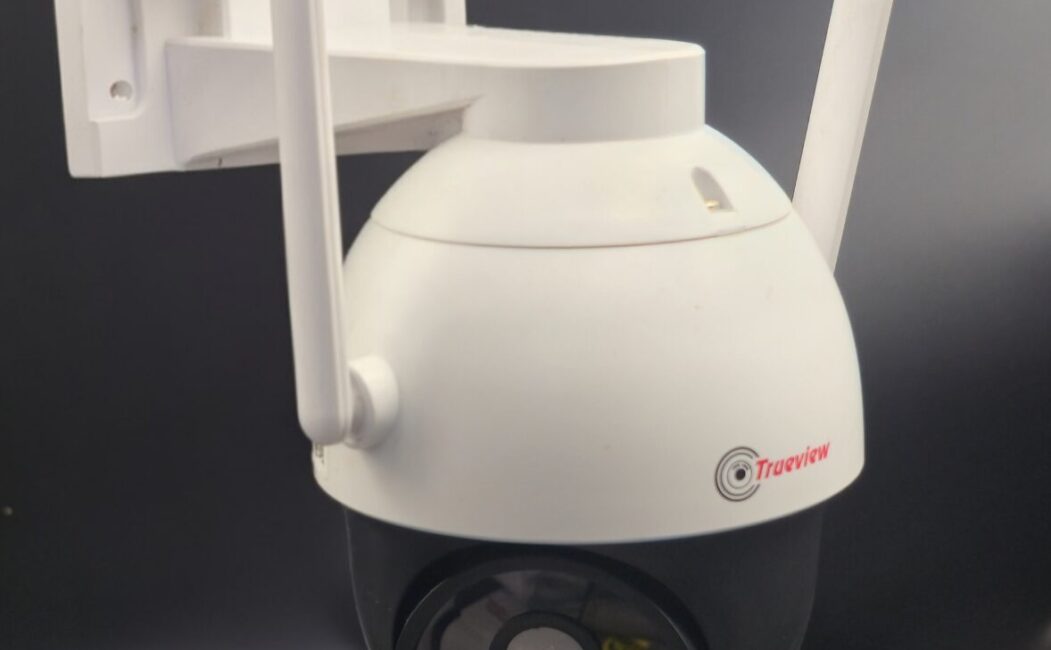
CCTV Camera Motion Detection Feature: Smart Surveillance Made Smarter
In modern security systems, CCTV cameras are no longer passive recording devices — they’re active, intelligent tools that help detect unusual activity and alert you in real time. At the heart of this transformation is one of the most powerful features of modern CCTV systems: motion detection.
Whether you’re securing a home, office, retail store, or warehouse, understanding how motion detection works and how it benefits you can dramatically improve your surveillance strategy.
What Is Motion Detection in CCTV Cameras?
Motion detection is a smart feature that enables your CCTV system to identify movement within its field of view. Instead of recording continuously (which fills storage quickly), the camera records only when movement is detected, saving time, storage, and effort.
When motion is detected, the system can:
- Trigger alerts (push notifications, email, SMS)
- Start recording only relevant events
- Trigger alarms or connected security systems
- Capture snapshots for quick review
How Motion Detection Works
Motion detection in CCTV cameras generally uses one or more technologies:
📌 1. Pixel-Based Motion Detection
This method compares video frames over time. If there’s a change in pixel patterns (indicating movement), the camera flags it as motion.
✅ Pros:
-
Works on most IP and analog cameras
-
Simple to configure
⚠️ Cons:
-
Sensitive to lighting changes like shadows or headlights
📌 2. Passive Infrared (PIR) Sensors
Some CCTV systems include a PIR sensor that detects heat signatures. When a warm object (like a person or vehicle) moves in its range, it triggers the motion detection.
✅ Pros:
-
Reduces false triggers
-
Works well in low light
⚠️ Cons:
-
Usually only available in advanced systems
📌 3. Video Analytics (AI-Based)
Modern smart cameras use AI algorithms to analyze motion, distinguish between people, animals, vehicles, or background movement, and reduce false alarms.
✅ Pros:
-
High accuracy
-
Intelligent alerts (people-only, vehicle-only)
⚠️ Cons:
-
Costs more than basic motion detection systems
Benefits of Motion Detection
✅ 1. Saves Storage Space
By recording only when motion occurs, motion detection dramatically reduces the amount of footage saved, extending storage duration and reducing costs.
✅ 2. Reduces False Alerts
Smart motion detection filters out irrelevant movement (like tree shadows or insects), so you get only meaningful alerts.
✅ 3. Instant Alerts
Receive real-time notifications on your phone or email when motion is detected, helping you act quickly — whether it’s a delivery or a potential threat.
✅ 4. Faster Review
Instead of reviewing hours of footage, motion detection lets you jump directly to events with activity.
✅ 5. Smart Automation
Some systems can trigger alarms, turn on lights, or activate sirens when motion is detected — adding an extra layer of security.
Types of Motion Detection Alerts
Most CCTV systems provide flexible alert options:
📩 Push Notifications – Instant alerts on your smartphone app
📧 Email Alerts – With snapshot or video clips
🔔 On-Screen Alarms – For local monitoring screens
📂 Event Logging – Sorted list of motion-triggered clips
Better Motion Detection: Tips for Optimal Performance
To get more reliable motion detection, here are some practical tips:
📍 Correct Camera Placement
-
Avoid pointing cameras toward busy roads or moving shadows.
-
Place cameras to capture entry points and vulnerable areas.
📍 Adjust Sensitivity Levels
-
Set the motion sensitivity so that small irrelevant movements don’t trigger alerts.
📍 Create Detection Zones
-
Many systems let you define zones (e.g., driveway only) where motion should be detected.
📍 Use Smart Cameras with Analytics
-
AI-based motion detection can distinguish between humans, pets, and vehicles.
Motion Detection vs Continuous Recording
| Feature | Motion Detection | Continuous Recording |
|---|---|---|
| Storage Use | Low | High |
| Alerts | Yes | No |
| Easy Review | Yes | Time-consuming |
| False Alarms | Reduced with AI | None (but no event filters) |
Real-Life Use Cases
🎥 Home Security — Capture only when someone approaches your door or yard
🛍️ Retail Stores — Get alerts for after-hours motion or suspicious behavior
🏢 Businesses & Offices — Monitor restricted areas only when activity is detected
🚗 Parking Lots — Detect vehicle movement and prevent theft or vandalism
Choosing the Right Motion Detection CCTV Camera
When selecting a CCTV system with motion detection, consider:
✔ Camera Resolution – Higher resolution means clearer footage
✔ AI Analytics Capabilities – For accurate motion filtering
✔ Smart App Support – Easy remote monitoring
✔ Storage Options – Local HDD vs Cloud storage
✔ Sensitivity & Detection Zones – Custom configurations
Conclusion
The motion detection feature in CCTV cameras is a powerful tool that helps you focus on what matters — real activity — while saving time, storage, and effort. With smart alerts and AI-driven analytics, modern motion detection makes security systems efficient and user-friendly.
Whether you’re setting up security at home or for your business, motion detection is a must-have feature that transforms passive cameras into proactive sentinels.
Leave a Reply