
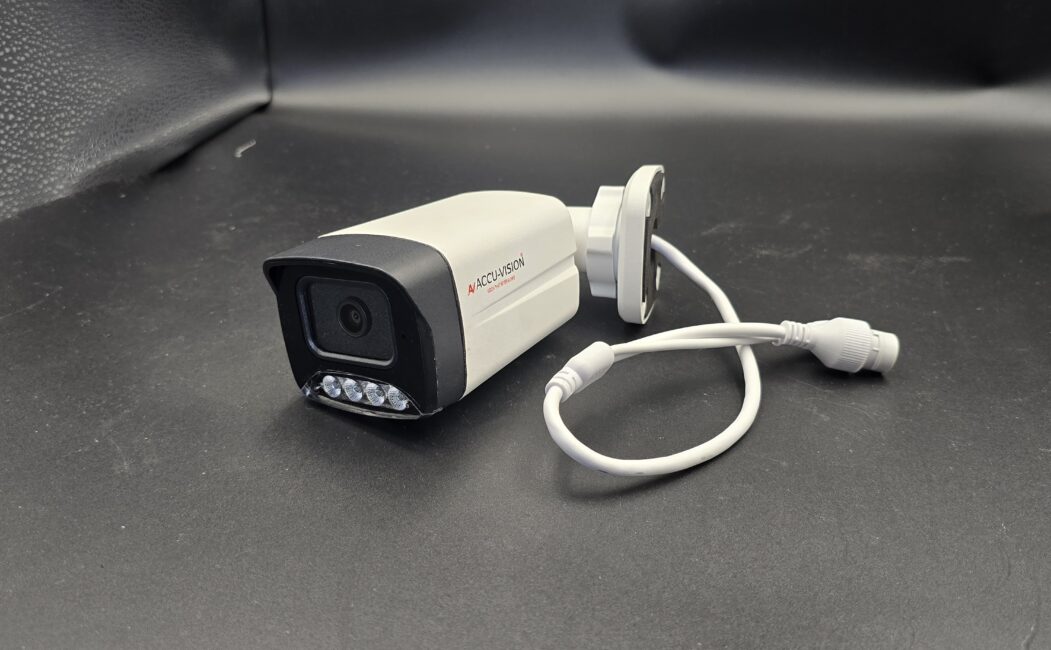
CCTV Cameras for Hospital Security: Ensuring Safety, Trust, and 24/7 Protection
Hospitals are among the most sensitive and high-traffic environments in any community. With patients, doctors, nurses, staff, and visitors moving around at all hours, maintaining safety and security is a constant challenge.
Installing a CCTV camera system in hospitals is no longer optional — it’s essential. A well-planned surveillance system helps protect patients, secure medical assets, and ensure a safe healthcare environment.
Let’s explore how CCTV cameras enhance hospital security and why they are crucial in modern healthcare facilities.
Why Hospitals Need CCTV Surveillance
Hospitals operate 24/7 and deal with vulnerable individuals, valuable equipment, and emergency situations. Without proper monitoring, risks such as theft, violence, and unauthorized access can increase.
CCTV systems provide:
- Continuous monitoring
- Improved emergency response
- Protection of patients and staff
- Prevention of theft and vandalism
- Better operational control
Key Benefits of CCTV Cameras in Hospitals
1. Enhances Patient Safety
Patient safety is the top priority in any healthcare facility. CCTV cameras help:
- Monitor critical care areas (as permitted by law)
- Prevent unauthorized access to patient wards
- Improve response to patient emergencies
- Ensure safety in waiting rooms and corridors
Surveillance creates a safer environment for patients and their families.
2. Prevents Theft and Asset Loss
Hospitals house expensive medical equipment, medicines, and confidential records. CCTV cameras help reduce:
- Theft of medical devices
- Pharmacy stock losses
- Equipment tampering
- Unauthorized access to restricted areas
Monitoring high-value zones protects hospital investments.
3. Improves Staff and Visitor Security
Hospitals sometimes face incidents involving aggressive behavior or disputes. CCTV systems:
- Deter violence
- Provide evidence in case of conflicts
- Protect healthcare workers
- Monitor visitor activity
This improves overall workplace safety.
4. Strengthens Emergency Management
In emergency situations such as:
- Code blue alerts
- Fire incidents
- Security threats
- Crowd control issues
Real-time video access allows security teams to respond quickly and efficiently.
5. Monitors Entry and Exit Points
Installing cameras at:
- Main entrances
- Emergency exits
- Ambulance bays
- Parking areas
Helps track movement and prevent unauthorized access.
Combined with access control systems, CCTV enhances perimeter security.
6. Protects Against Legal Disputes
Hospitals may face complaints or legal claims related to:
- Patient treatment disputes
- Accidental injuries
- Staff conduct
- Visitor incidents
CCTV footage provides factual evidence, helping resolve issues fairly and transparently.
7. Supports Operational Efficiency
Beyond security, surveillance systems help hospital administrators:
- Monitor crowd flow in waiting areas
- Improve patient queue management
- Track staff movement (where legally permitted)
- Identify operational bottlenecks
This leads to better service delivery.
Important Areas for CCTV Installation in Hospitals
To maximize effectiveness, cameras should be installed in:
- Entrances and exits
- Reception areas
- Waiting rooms
- Corridors and hallways
- Parking lots
- Pharmacy storage
- ICU entrances (following privacy laws)
- Emergency departments
⚠️ Cameras must NOT be placed in private areas such as bathrooms, changing rooms, or areas violating patient privacy regulations.
Privacy and Compliance Considerations
Hospitals must follow strict privacy regulations when installing CCTV systems.
Best practices include:
- Informing staff and visitors about surveillance
- Displaying CCTV signage
- Complying with healthcare privacy laws
- Securing video storage with restricted access
- Defining clear data retention policies
Balancing security with patient confidentiality is critical.
Choosing the Right CCTV System for Hospitals
When selecting a surveillance system, hospitals should consider:
- High-resolution cameras (HD or 4K)
- Night vision capability
- Wide-angle coverage
- Secure NVR/DVR systems
- Cloud backup options
- UPS power backup
- Encrypted remote access
Professional installation ensures proper camera placement and full coverage.
Final Thoughts
CCTV cameras play a vital role in strengthening hospital security. From protecting patients and staff to preventing theft and supporting emergency response, surveillance systems create a safer and more efficient healthcare environment.
In today’s healthcare landscape, investing in a reliable CCTV system is a smart and responsible decision for every hospital.
Leave a Reply