
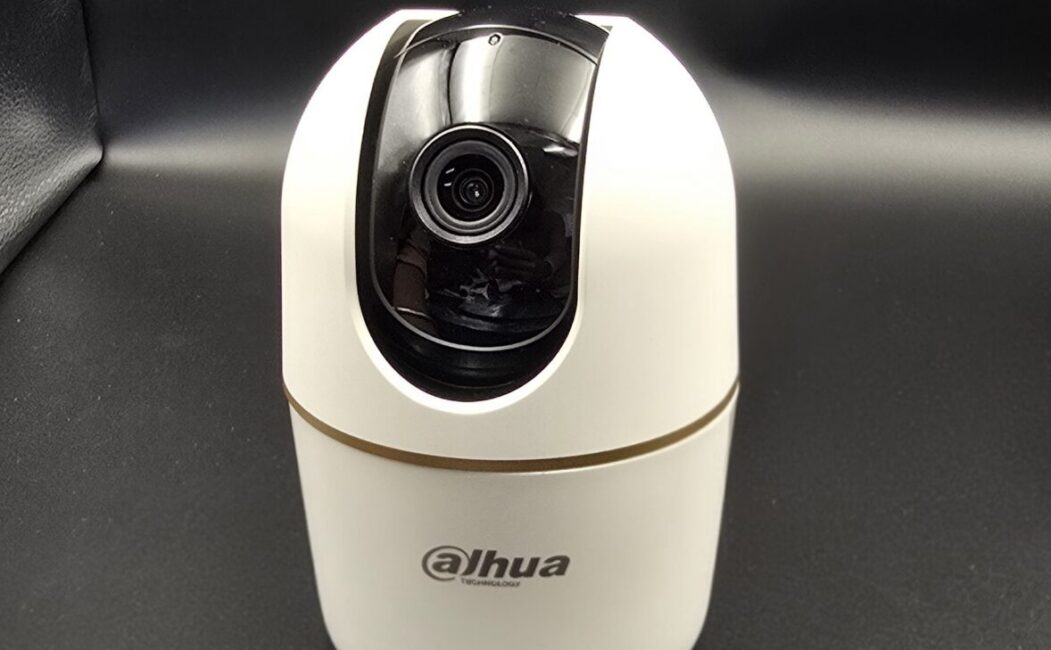
CCTV Camera FAQs for Beginners: Everything You Need to Know Before Buying
If you’re considering installing a CCTV camera system for your home or business, you probably have many questions. With so many types, features, and technical terms, it can feel overwhelming at first.
This beginner-friendly FAQ guide answers the most common questions about CCTV cameras, helping you make an informed decision.
1. What Is a CCTV Camera?
CCTV stands for Closed-Circuit Television. It is a surveillance system that uses video cameras to record and monitor activities in a specific area.
Unlike regular television broadcasts, CCTV footage is transmitted to a limited number of monitors or recording devices for security purposes.
2. How Does a CCTV Camera Work?
A CCTV camera captures video footage and sends it to a recording device such as:
- DVR (Digital Video Recorder) – for analog systems
- NVR (Network Video Recorder) – for IP systems
The footage can then be stored, viewed live, or played back later.
3. What Is the Difference Between Analog and IP Cameras?
Analog Cameras:
- Connected through coaxial cables
- Lower cost
- Suitable for basic surveillance
IP Cameras:
- Connected through internet/network
- Higher resolution
- Remote viewing capability
- More advanced features
IP cameras are generally preferred for modern security systems.
4. Do CCTV Cameras Work at Night?
Yes. Most modern CCTV cameras come with infrared (IR) night vision technology that allows them to record in low-light or complete darkness.
Some advanced cameras also offer color night vision.
5. Can I View CCTV Cameras on My Phone?
Yes. Most modern systems allow remote viewing through mobile apps.
You can:
- Watch live footage
- Playback recorded videos
- Receive motion alerts
- Control camera angles (for PTZ cameras)
Remote access is one of the most popular features today.
6. How Much Storage Do I Need?
Storage depends on:
- Number of cameras
- Video resolution (HD, 2MP, 4MP, 4K)
- Recording mode (continuous or motion-based)
- Retention period (7 days, 30 days, etc.)
A professional installer can calculate the required hard drive capacity based on your needs.
7. Are CCTV Cameras Legal?
Yes, CCTV cameras are legal in most countries for security purposes.
However:
- Cameras should not be installed in private areas (bathrooms, changing rooms).
- You must follow local privacy laws.
- It’s recommended to display CCTV warning signs.
Always check your local regulations before installation.
8. Do CCTV Cameras Record Audio?
Some cameras have built-in microphones, but audio recording laws vary by region. In some areas, recording audio without consent is illegal.
It’s important to verify local laws before enabling audio recording.
9. What Is Motion Detection?
Motion detection allows cameras to start recording only when movement is detected.
Benefits include:
- Saves storage space
- Reduces review time
- Sends instant alerts
This feature is highly useful for home security.
10. How Many Cameras Do I Need?
The number depends on:
- Size of the property
- Number of entry/exit points
- Indoor vs. outdoor coverage
- Blind spots
A small home may need 2–4 cameras, while businesses may require more extensive coverage.
11. Do CCTV Cameras Need Internet?
Not always.
- Cameras can record without internet using DVR/NVR systems.
- Internet is required for remote viewing and cloud storage.
If you only need local recording, internet is optional.
12. How Long Do CCTV Cameras Last?
On average, a quality CCTV camera lasts 5–10 years, depending on:
- Brand and build quality
- Weather conditions
- Maintenance
- Usage
Regular maintenance increases lifespan.
13. Can CCTV Cameras Be Hacked?
Like any internet-connected device, IP cameras can be vulnerable if not secured properly.
To prevent hacking:
- Use strong passwords
- Enable two-factor authentication
- Keep firmware updated
- Avoid default settings
Security configuration is essential.
14. Is Professional Installation Necessary?
While DIY installation is possible for small systems, professional installation ensures:
- Proper camera placement
- Correct wiring
- Optimal coverage
- Secure configuration
For businesses and large properties, professional setup is highly recommended.
Final Thoughts
CCTV cameras are one of the most effective tools for improving safety and peace of mind. Whether for home or business use, understanding the basics helps you choose the right system.
If you’re a beginner, start by identifying your security needs and consult a professional for guidance.
Leave a Reply