• dazzlinginfotech.co.in
  • No. 81, 33, Thiyagappa Chetty St, Meenambal Nagar, Korukkupet, Old Washermanpet, Chennai, Tamil Nadu 600021

aishwarayalatha432@gmail.com

CCTV Camera Price in India

CCTV Camera Price in India – A Complete Guide (2026)

In today’s world, security is one of the top priorities for homeowners, shopkeepers, and business owners. One of the most effective ways to ensure safety is by installing CCTV cameras. But before you choose a system, it’s important to understand the CCTV camera price in India and what factors affect the cost.

Types of CCTV Cameras & Price Range in India

CCTV camera prices in India can vary widely based on the type, quality, and features. Here’s a general idea of what you can expect:

📹 1. Analog CCTV Cameras

  • Price Range: ₹800 – ₹2,000 per camera

  • Simple and cost-effective

  • Ideal for small homes or shops

  • Works with DVR systems

📸 2. HD / Full HD CCTV Cameras

  • Price Range: ₹1,500 – ₹4,000 per camera

  • Better picture quality than analog

  • Useful for clearer imagery and detailed monitoring

📡 3. IP CCTV Cameras

  • Price Range: ₹3,000 – ₹8,000+ per camera

  • Higher resolution and network support

  • Offers remote viewing through mobile or web

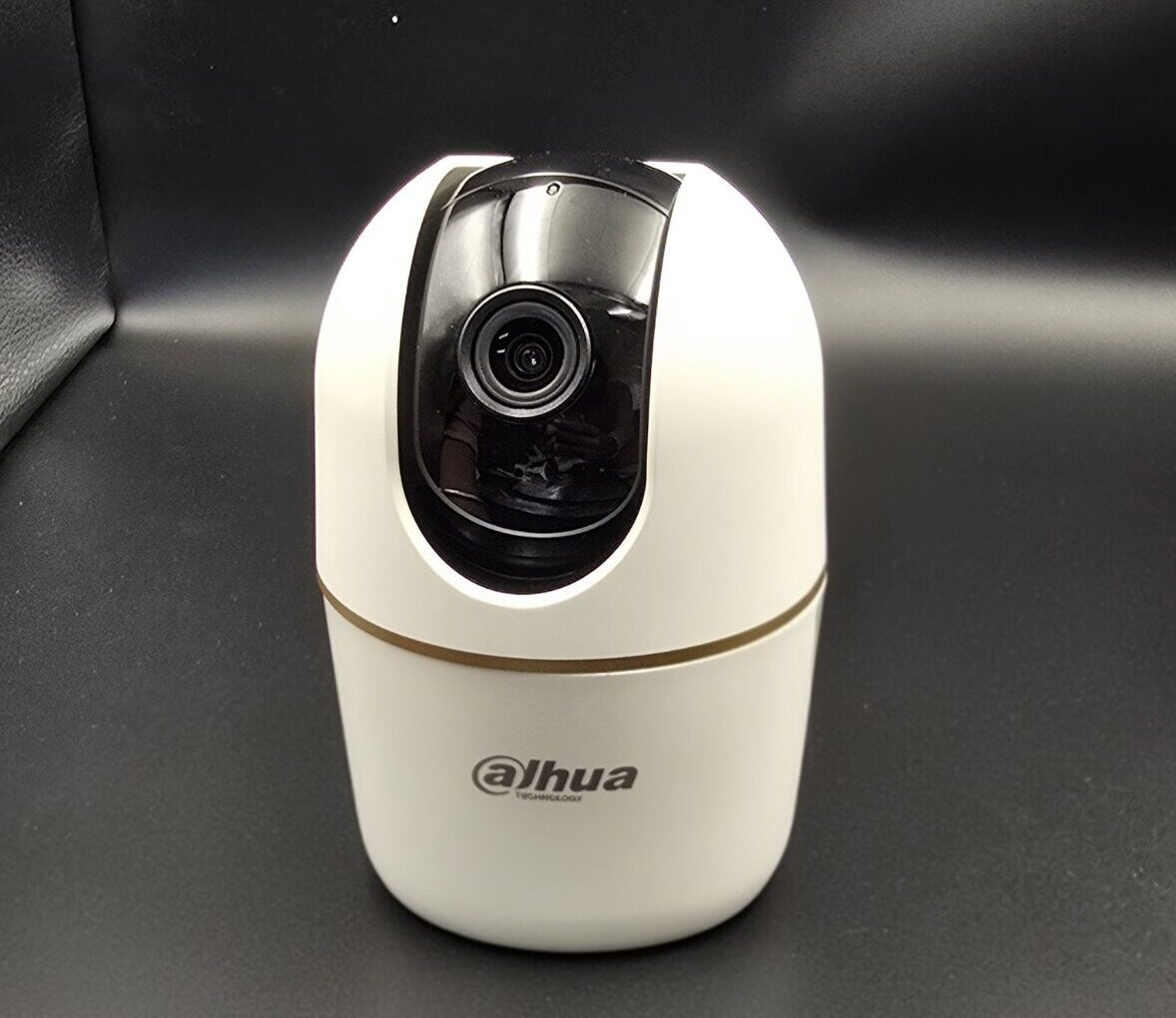
📶 4. WiFi CCTV Cameras

  • Price Range: ₹1,800 – ₹6,000+ per camera

  • Easy installation (no wiring required)

  • Remote live viewing

  • Suited for homes and indoor settings

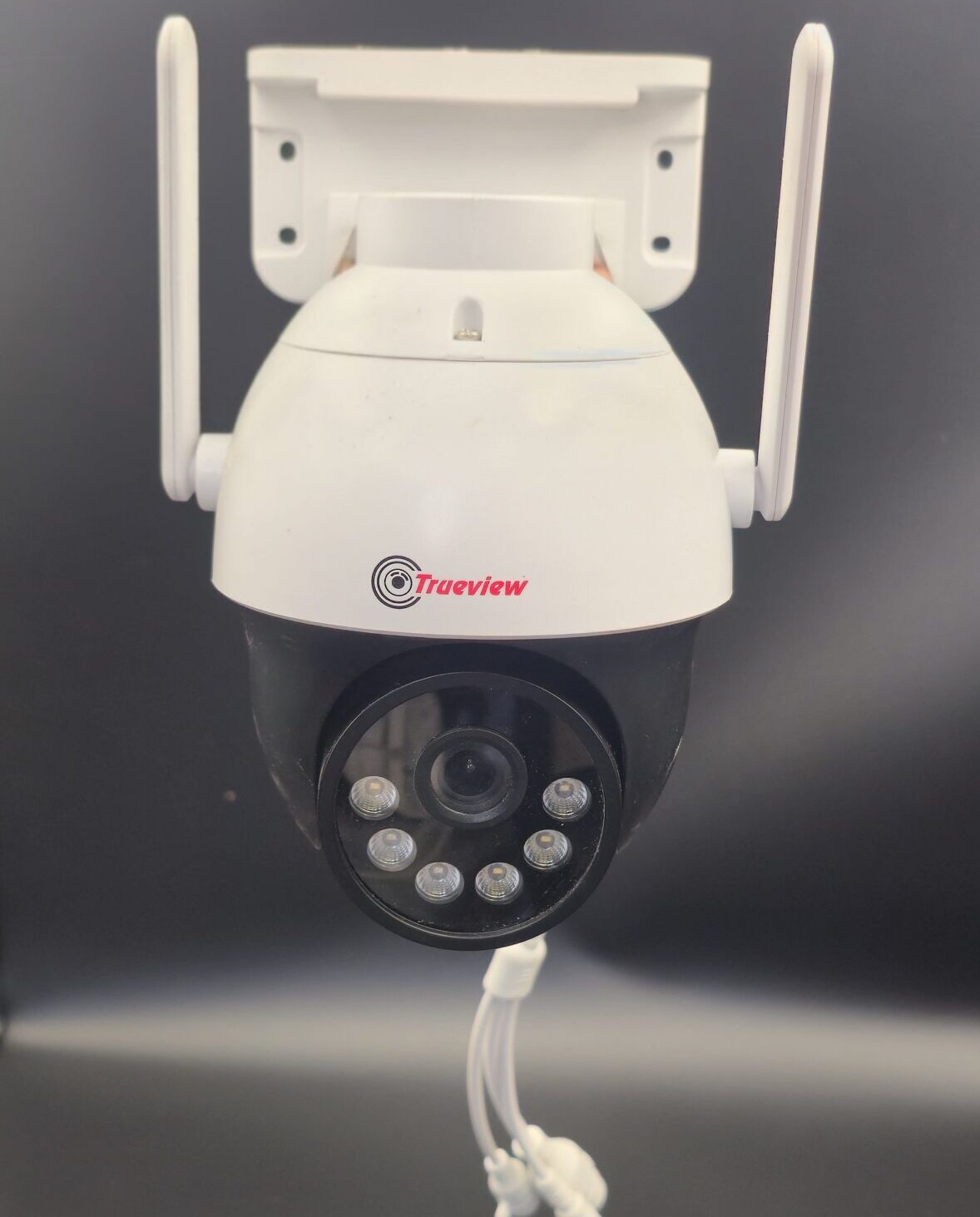
📍 5. PTZ (Pan-Tilt-Zoom) Cameras

  • Price Range: ₹10,000 – ₹30,000+

  • Rotatable view with zoom

  • Ideal for larger shops, warehouses, and parking lots

Additional Components That Affect Price

When calculating the total cost, consider these also:

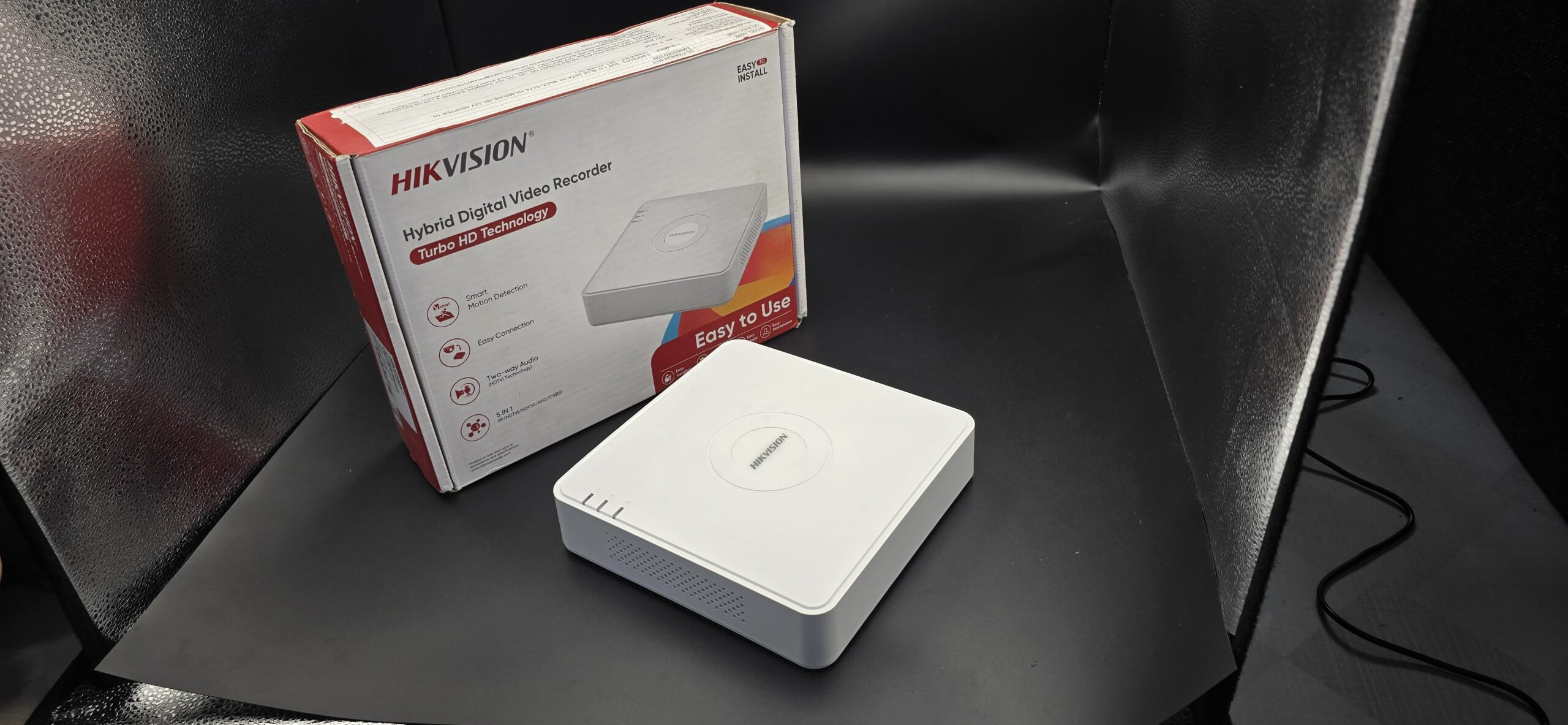
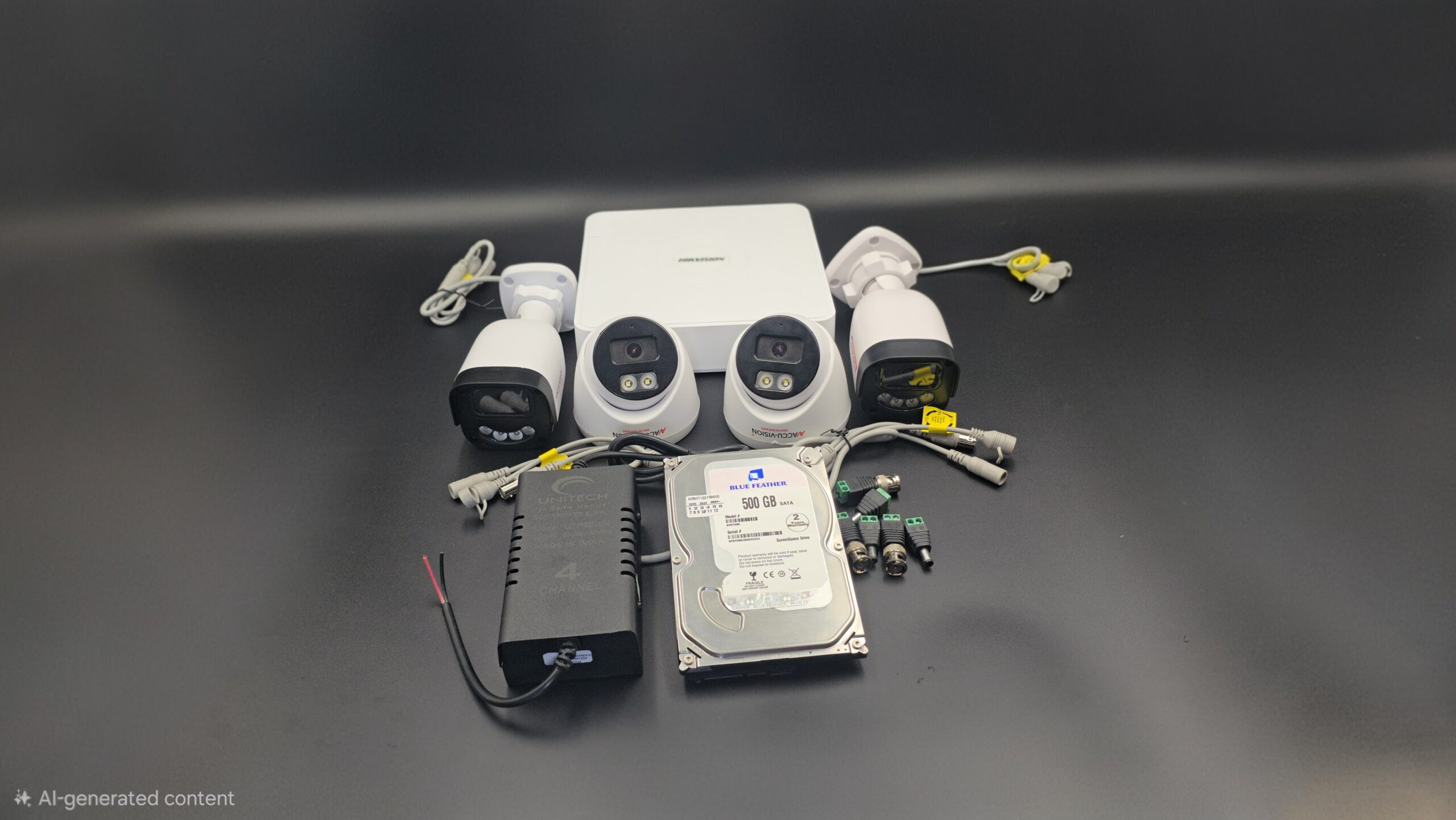
💾 DVR / NVR Recorder

  • DVR: ₹2,000 – ₹8,000

  • NVR: ₹4,000 – ₹15,000+
    Recorder stores your footage and helps playback.

📦 Hard Disk Storage

  • 1TB – ₹2,000+

  • 2TB – ₹3,000+
    More storage means you can keep video history for longer.

🔌 Cables & Accessories

  • Camera cables, power supply, connectors

  • Typically ₹1,000 – ₹3,000 (depending on setup)

🚧 Installation Charges

  • ₹500 – ₹2,500 per camera (Approx.)
    Professional installation ensures correct placement and wiring.

Factors That Affect CCTV Camera Prices

Resolution & Image Quality
Higher megapixels = clearer video = higher price.

Night Vision & Low Light Performance
Better IR LEDs or color night vision increases cost.

Brand & Warranty
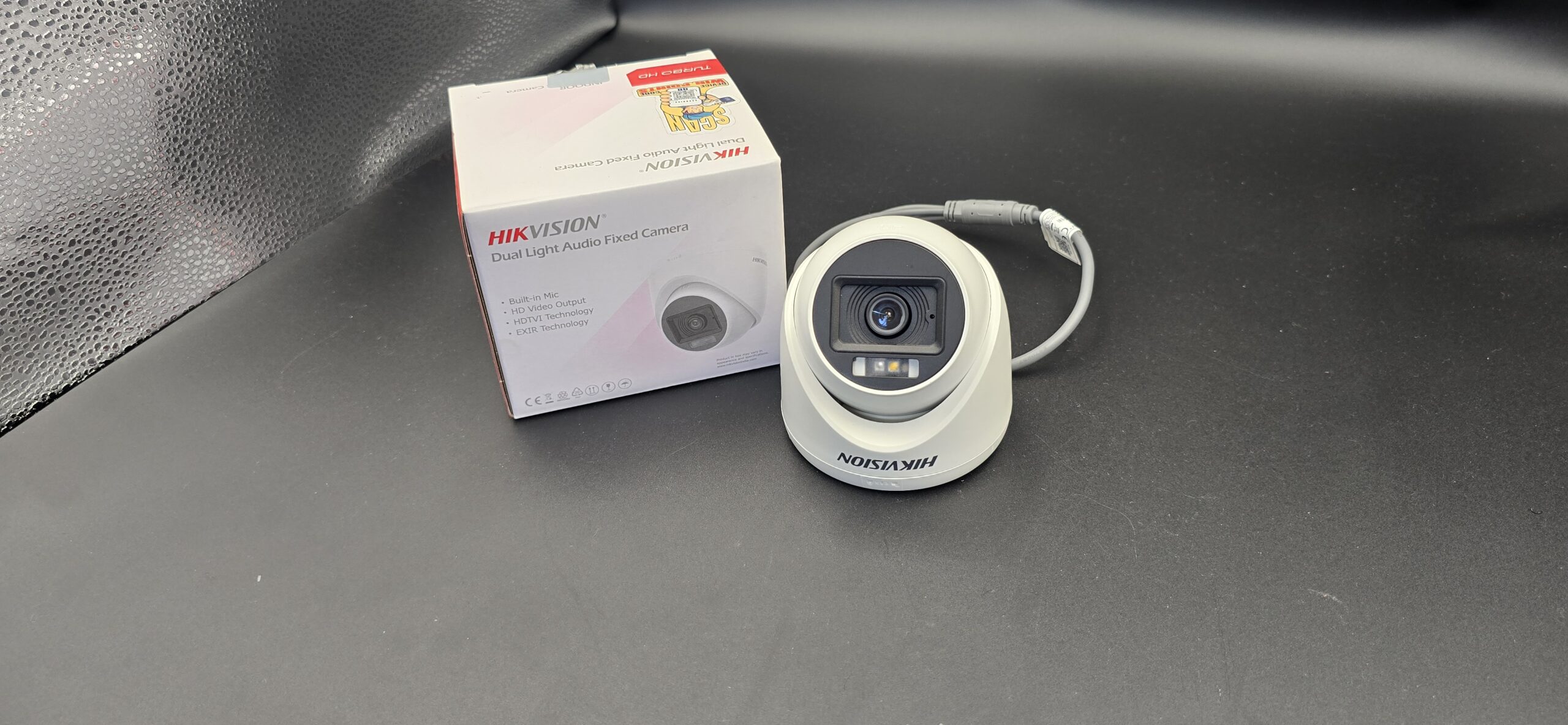
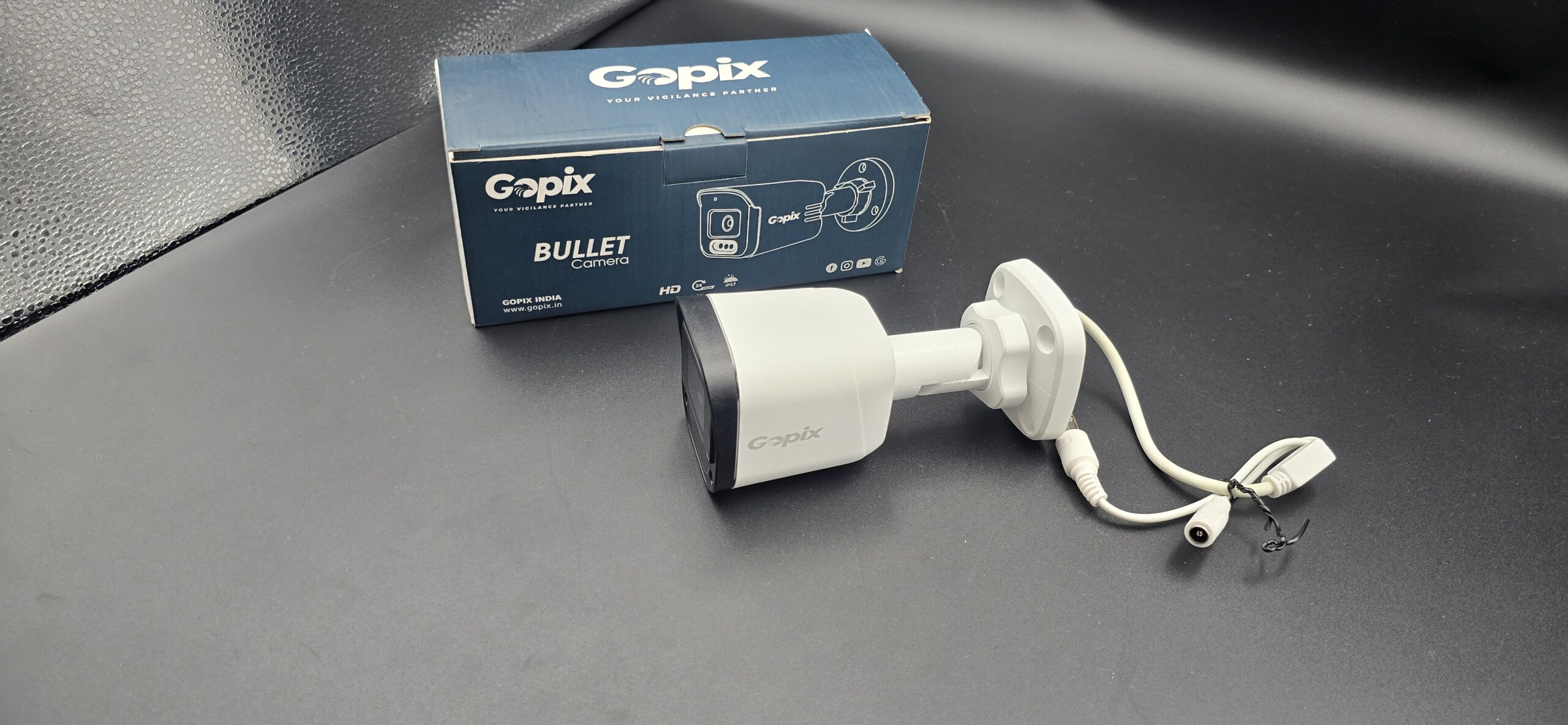
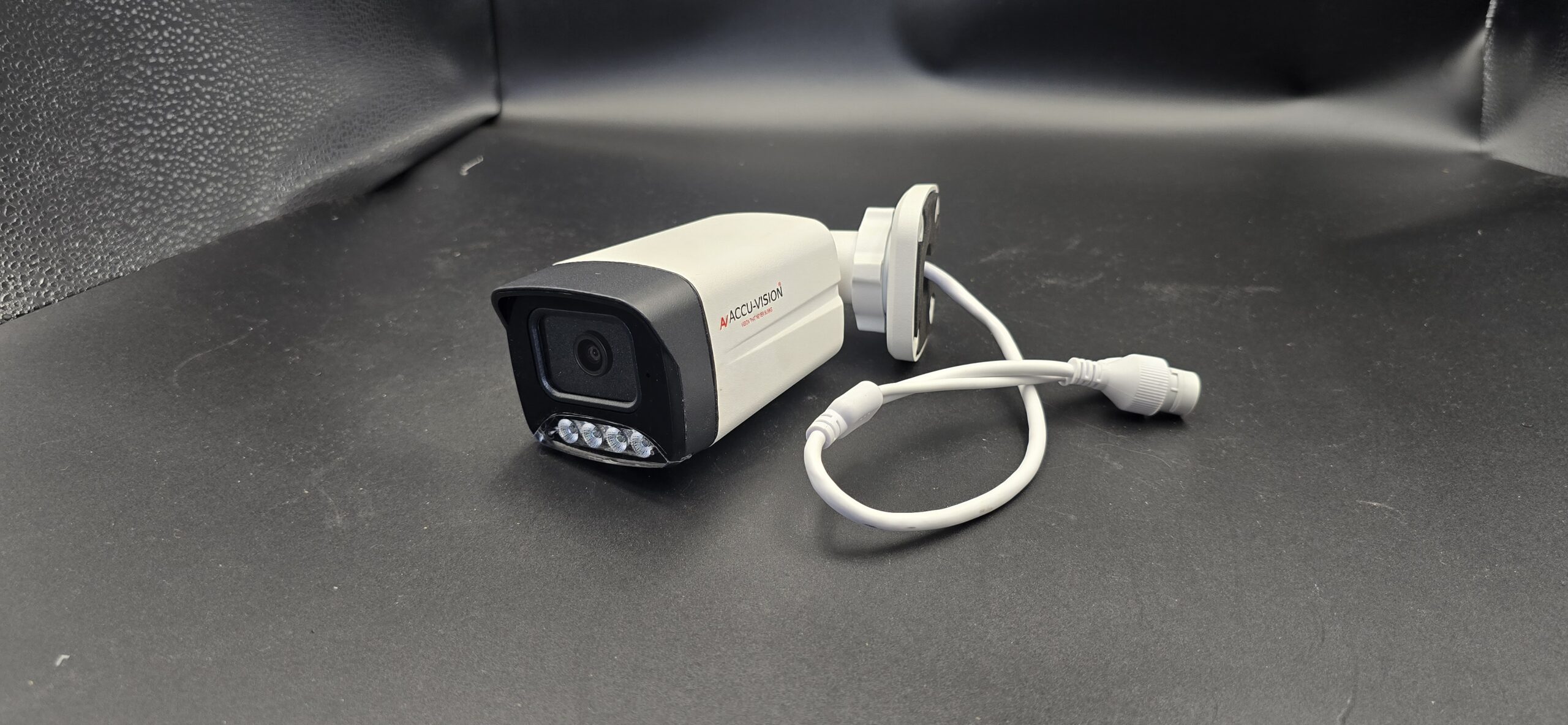
Trusted brands like Hikvision, CP Plus, and Accuvision may cost more but offer reliability.

Outdoor vs. Indoor Models
Outdoor cameras are weatherproof and usually more expensive.

Smart Features
Motion detection, two-way audio, and mobile alerts add to the cost.

Is Price the Only Thing to Consider?

No. While price matters, quality and performance are more important for security. A cheap camera with poor night vision or unstable connectivity won’t protect you effectively.

📌 Always choose a system that offers:

  • Clear footage (HD or above)
  • Reliable night vision
  • Easy remote access
  • Strong build quality

Conclusion

The CCTV camera price in India depends on your needs and budget. You can start with a basic analog system for small spaces or opt for IP/WiFi cameras with advanced features for better monitoring.

With professional installation and the right components, a CCTV system becomes a powerful tool for protection and peace of mind.
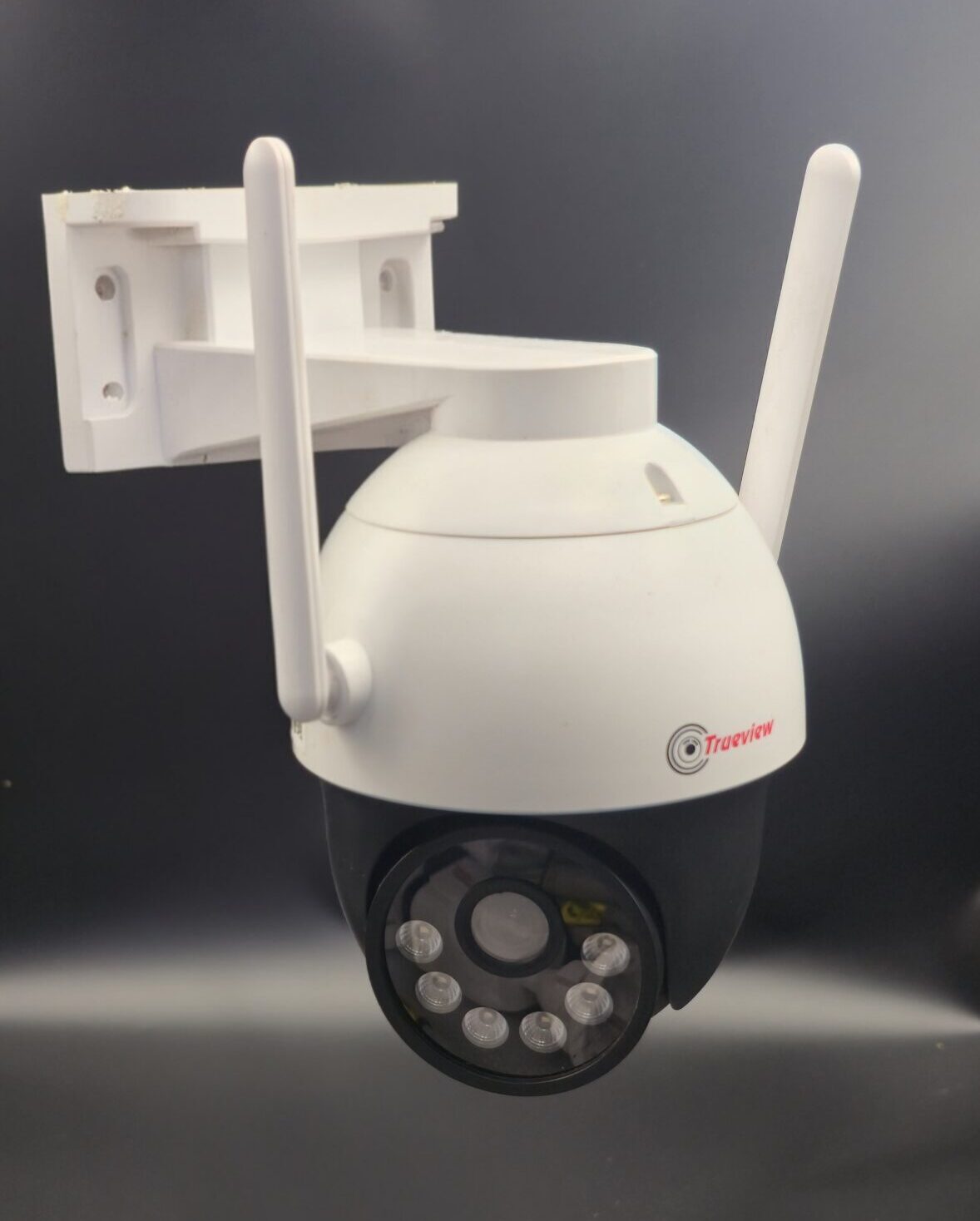
read more

CCTV Camera Installation Cost

CCTV Camera Installation Cost – A Complete Guide for 2026

Installing a CCTV camera system is one of the most effective ways to protect your home, office, or business. However, many people wonder about the cost of CCTV camera installation before making a decision. In this guide, we’ll break down the factors that influence pricing and what you can expect to pay in India.

Why CCTV Installation Cost Varies

The cost of installing CCTV cameras depends on several factors:

1. Type of Cameras

Different types come with different prices:

  • Analog CCTV Cameras – Basic and economical
  • HD / Full HD Cameras – Better clarity and performance
  • IP / Network Cameras – Advanced features and connectivity
  • WiFi Cameras – Easy installation with wireless setup
  • PTZ Cameras – Pan, tilt, and zoom options

2. Number of Cameras

The more cameras you install, the higher the total cost:

  • 2-camera setup
  • 4-camera setup
  • 8-camera setup
  • 16-camera setup

3. Indoor vs Outdoor Installation

Outdoor cameras often cost more because they:

  • Are weatherproof
  • Have stronger casing
  • May require longer cables

4. DVR / NVR & Storage

You’ll need a recorder:

  • DVR (Digital Video Recorder) for analog cameras
  • NVR (Network Video Recorder) for IP cameras
    Plus a hard disk for storing recorded footage.

Typical CCTV Installation Cost in India

Here’s an approximate idea of what CCTV installation might cost:

Item Price Range (India)
CCTV Camera (Basic) ₹1,000 – ₹2,500 per camera
HD / Full HD Camera ₹2,500 – ₹5,000 per camera
IP / WiFi Camera ₹3,000 – ₹8,000+
DVR/NVR ₹2,000 – ₹15,000
Hard Disk (Storage) ₹2,000 – ₹6,000+
Installation Charge ₹500 – ₹2,500 per camera
Cables & Accessories ₹1,000 – ₹3,000 total

Note: Prices vary based on brand, quality, and service provider.

Installation Charges Explained

Professional CCTV installation includes:

  • Site survey to plan camera placement
  • Cable routing and power supply setup
  • Mounting cameras securely
  • Configuring the DVR/NVR and mobile app access
  • Testing and training

Experienced technicians ensure the system works flawlessly and covers all key areas.

What’s Included in Installation Cost

✔ Camera positioning & placement
✔ Power supply and connectors
✔ DVR/NVR setup
✔ Mobile app setup
✔ After-installation support

Tips to Reduce Installation Cost

💡 Choose cameras based on need (don’t overspend)
💡 Use WiFi cameras where wiring is difficult
💡 Buy bundles (e.g., 4-camera packs) to save money
💡 Regular maintenance prevents costly repairs

Conclusion

The CCTV camera installation cost depends on your requirements, the type and number of cameras, and installation complexity. While basic systems are budget-friendly, advanced IP or WiFi setups offer better performance and features.

Investing in a quality CCTV system not only enhances security but also brings peace of mind for your family or business.

read more

How Many CCTV Cameras Do I Need?

How Many CCTV Cameras Do I Need? – A Complete Guide

Choosing the right number of CCTV cameras is essential for proper security. Installing too few cameras can leave blind spots, while too many may increase costs unnecessarily. The ideal number depends on your property size, layout, and security needs.

Factors That Decide the Number of CCTV Cameras

1. Property Type

Different places require different coverage:

  • Home / Apartment
  • Shop / Showroom
  • Office
  • Warehouse / Factory
  • School / Hospital

Each has unique entry points and risk areas.

2. Size and Layout of the Area

Larger properties need more cameras. Also consider:

  • Number of rooms
  • Corridors and staircases
  • Parking areas
  • Open spaces and blind corners

Wide-angle cameras can reduce the total number required.

3. Entry and Exit Points

Every main entrance and exit should be covered. These are high-risk areas for theft and unauthorized access.

4. Indoor vs Outdoor Coverage

  • Indoor cameras monitor rooms, halls, counters, and corridors
  • Outdoor cameras protect gates, parking, compound walls, and loading areas

Outdoor cameras are especially important for 24/7 security.

Recommended Number of CCTV Cameras

🏠 For Home

  • 1 camera for main entrance
  • 1 camera for back door or balcony
  • 1–2 cameras for living areas or parking
    Total: 2 to 4 cameras

🏪 For Small Shop

  • 1 camera at entrance
  • 1 camera covering billing counter
  • 1 camera for storage or back area
    Total: 3 to 4 cameras

🏢 For Office

  • 1 camera at entrance
  • 1 camera at reception
  • 1 camera per floor or department
  • 1 camera for parking
    Total: 4 to 8 cameras

🏭 For Warehouse / Factory

  • Multiple cameras for entry points
  • Cameras for production and storage areas
  • Cameras for loading/unloading zones
    Total: 8 to 16+ cameras (based on size)

Tips to Optimize Camera Count

✔ Use wide-angle or HD cameras
✔ Avoid overlapping views unnecessarily
✔ Perform a site survey before installation
✔ Focus on high-risk and high-traffic areas

Professional CCTV installers can help you plan effectively.

Why Proper Camera Planning Is Important

  • Reduces blind spots
  • Improves video clarity and coverage
  • Saves installation and maintenance costs
  • Ensures better security monitoring

Conclusion

There is no one-size-fits-all answer to how many CCTV cameras you need. A small home may need just 2–4 cameras, while shops and offices require more based on layout and risk level. The best approach is a custom security plan tailored to your property.

For expert guidance and professional installation, always consult a trusted CCTV service provider.


read more

Best CCTV Camera for Outdoor Use

Best CCTV Camera for Outdoor Use – Complete Guide for 2026

Outdoor security is one of the most important aspects of protecting your home, shop, office, or commercial property. An outdoor CCTV camera helps monitor entrances, driveways, parking lots, gardens, and other vulnerable areas, ensuring reliable protection day and night.

In this guide, we’ll help you understand what makes a good outdoor CCTV camera and recommend features that matter most.

Why Outdoor CCTV Cameras Are Necessary

Outdoor areas are exposed to risks like:

  • Burglary and theft
  • Vandalism
  • Suspicious activity around entrances
  • Night-time movement

A high-quality outdoor CCTV camera not only records evidence but also deters criminals just by being visible.

Key Features to Look For

1. Weatherproof & Robust Design

Outdoor cameras must withstand rain, heat, dust, and cold.
IP66 / IP67 rating ensures protection against extreme weather conditions.

2. High Video Quality

For clear identification of faces and activities, choose at least:
1080p Full HD
4MP or 8MP (4K) for even sharper detail

3. Night Vision / Low-Light Performance

Outdoor cameras need to work well in the dark.
✔ Infrared (IR) LEDs
✔ Color Night Vision

This ensures you get usable footage even at night.

4. Motion Detection

Smart motion sensors alert you whenever movement is detected.
✔ Notification alerts on your mobile
✔ Reduces unnecessary recording

5. Remote Viewing

A good outdoor camera should allow:
✔ Live viewing on mobile apps
✔ Playback of recorded footage anywhere
✔ Cloud or SD card storage

Top Outdoor CCTV Camera Types

🔹 Bullet Cameras

  • Great for long-range outdoor monitoring
  • Highly visible deterrent
  • Best for entrances, driveways, and outdoor walls

Ideal for: Home exteriors, shops, parking areas

🔹 Dome Cameras

  • Sleek and vandal-resistant
  • Harder for intruders to see direction
  • Better for verandas and sheltered outdoor spaces

Ideal for: Porches, building facades

🔹 PTZ Cameras

  • Moveable camera with pan, tilt, and zoom
  • Perfect for large outdoor areas

Ideal for: Warehouses, large grounds

Recommended Outdoor Camera Features

Feature Importance
IP66/IP67 Weatherproof ⭐⭐⭐⭐⭐
1080p or Higher Quality ⭐⭐⭐⭐
Night Vision ⭐⭐⭐⭐
Motion Tracking ⭐⭐⭐⭐
Remote App Access ⭐⭐⭐⭐

Benefits of Using Outdoor CCTV Cameras

✔ Deter theft and vandalism
✔ 24/7 outdoor monitoring
✔ Clear evidence in case of incidents
✔ Peace of mind when away from property
✔ Remote access from anywhere

Conclusion

The best CCTV camera for outdoor use is one that offers weatherproof protection, high video quality, strong night vision, and reliable connectivity. Whether you choose a bullet, dome, or PTZ camera, make sure it meets your security needs and provides clear footage in all lighting conditions.

Choosing the right outdoor CCTV camera helps protect your property, ensure safety, and give you complete peace of mind.

read more

Best CCTV Camera for Night Vision

Best CCTV Camera for Night Vision – Complete Guide for 2026

Good surveillance isn’t just about daytime clarity—night vision is equally important. Most crimes and suspicious activities happen in dim light or after dark, making night vision a must-have feature in modern CCTV systems. This guide explains what night vision CCTV cameras are, why they matter, and which features you should look for when choosing the best night vision camera.

What Is Night Vision in CCTV Cameras?

Night vision allows CCTV cameras to record clear video in low-light or no-light conditions using infrared (IR) LEDs, low-light sensors, or color night vision technology. These features help the camera capture usable footage even during nighttime, helping protect your property 24/7.

Why Night Vision Matters

Security challenges Don’t sleep—and neither should your camera. Night vision CCTV cameras help you:

  • 🌙 Monitor surroundings in complete darkness
  • 🚨 Identify people, vehicles, and activities at night
  • 🎥 Get clear footage even in low light
  • 🔍 Improve evidence quality for investigations

Key Features to Look for in Night Vision CCTV Cameras

1. IR (Infrared) LEDs

Infrared LEDs emit light that’s invisible to the eye but visible to the camera sensor, allowing recording in darkness.
✔ Better clarity at night
✔ Works without visible light

2. Color Night Vision

Unlike traditional black-and-white IR footage, color night vision uses advanced sensors to provide colored images even in low light, which helps in identifying important details like clothing color and vehicle color.

3. Low-Light Sensors

Cameras with starlight or low-light technology capture clearer, brighter footage without relying solely on infrared.

4. Range of Night Vision

Check how far the night vision can see:
✔ 20–30 meters – Small homes
✔ 40–50 meters – Large yards, parking
✔ 60+ meters – Commercial properties

5. Automatic IR Cut Filter

This feature switches between day and night mode automatically for better light balance and clearer images throughout the day.

Types of CCTV Cameras with Great Night Vision

🔹 Bullet Cameras

✔ Long-range night vision
✔ Great for outdoors
✔ Tough, weatherproof design

🔹 Dome Cameras

✔ Discreet & stylish
✔ Great for entrances and verandahs
✔ Good night coverage

🔹 IP Cameras with Night Vision

✔ High-resolution videos
✔ Smart alerts and remote access
✔ Wide dynamic range (WDR)

When Do You Need Night Vision CCTV Cameras?

  • Outdoor entrances and parking spaces
  • Backyard & driveway
  • Shop fronts and road access points
  • Warehouses and industrial properties
  • Public or common areas at night

Benefits of Night Vision CCTV Cameras

✔ 24/7 surveillance—day & night
✔ Better protection from theft and vandalism
✔ Clearer evidence in investigations
✔ Peace of mind when you’re away
✔ Smart motion alerts even at night

Conclusion

A CCTV camera with excellent night vision ensures your property remains protected even in complete darkness. When choosing a night vision camera, look for strong IR LEDs, color night vision, and good range to make sure you get reliable and clear footage at night. Investing in the right night vision CCTV camera means no blind spots at night and continuous peace of mind.

read more

Wireless CCTV Camera vs Wired

Wireless CCTV Camera vs Wired CCTV Camera—Which Is Better?

Choosing the right CCTV camera system is essential for effective security. Two popular options are wireless CCTV cameras and Wired CCTV cameras. Each system has its own advantages and is suitable for different situations. This blog explains both types, their benefits, limitations, and how to choose the best option for your needs.

What Is a Wired CCTV Camera?

A wired CCTV camera uses cables (coaxial or Ethernet) to connect directly to a DVR/NVR for power and video transmission. These cameras are known for stable performance and reliability.

Advantages of Wired CCTV Cameras

  • 📹 Stable & Reliable Signal: Less interference compared to wireless
  • 📼 Continuous Recording: Ideal for long-term monitoring
  • No Dependency on WiFi: Works even without internet
  • 🔒 Strong Security: Harder to tamper with signal

Limitations

  • 🚧 Needs Cables: Installation requires wiring and drilling
  • 🛠 Longer Setup Time: Needs professional installation
  • 💰 Installation Cost: Extra wiring and labor charges

What Is a Wireless CCTV Camera?

A wireless CCTV camera uses your WiFi network to send video signals to your phone or recording device. These cameras are easy to install and great for flexible locations.

Advantages of Wireless CCTV Cameras

  • 📱 Easy Setup: No long cables required
  • 🚨 Remote Viewing: Watch live feed instantly on smartphone or tablet
  • 🆓 Flexible Placement: Can be moved easily
  • 💡 Ideal for Renters: No drilling or complex wiring

Limitations

  • 📶 WiFi Dependency: Requires stable internet connection
  • 🔋 Power Backup Needed: May need extra power sources
  • 📡 Signal Interference: Walls or other devices can affect signal
  • 🔒 Security Risk: Can be hacked if not secured properly

Head-to-Head Comparison

Feature Wired CCTV Camera Wireless CCTV Camera
Installation Requires wiring Easy, no wiring
Internet Required Not needed Required
Signal Reliability Very stable Can vary with WiFi
Remote Viewing With NVR & network Via WiFi app
Cost Higher installation cost Lower installation cost
Best For Large properties & businesses Homes & temporary use

Which System Should You Choose?

Choose Wired CCTV If:

  • You want stable, uninterrupted recording
  • Your property is large
  • You prefer professional installation
  • Internet connection is weak or inconsistent

Choose Wireless CCTV If:

  • You need easy installation
  • You want mobile viewing from anywhere
  • You rent your place or move often
  • You have good WiFi coverage

Conclusion

Both Wireless and Wired CCTV systems have their place in modern security. Wireless cameras are convenient and perfect for quick setups, while wired systems offer unmatched stability and long-term recording reliability. The best choice depends on your security needs, property size, budget, and internet availability.

At [https://dazzlinginfotech.co.in], we offer both wired and wireless CCTV solutions, along with professional installation and support to keep your property safe and secure.

read more

WiFi CCTV Camera Benefits

WiFi CCTV Camera Benefits – Smart Security for Modern Homes & Businesses

A WiFi CCTV camera is a modern surveillance solution that connects to the internet wirelessly and allows users to monitor their property in real time through a mobile app or computer. With easy installation and smart features, WiFi cameras are becoming increasingly popular for homes, shops, and offices.

What Is a WiFi CCTV Camera?

A WiFi CCTV camera transmits video footage through a wireless internet connection instead of using long cables. These cameras can be accessed remotely from anywhere using a smartphone, tablet, or laptop, making security more convenient and flexible.

Key Benefits of WiFi CCTV Cameras

1. Easy Installation

WiFi CCTV cameras are quick and simple to install. Since there is no complex wiring, installation is neat and less time-consuming, making it ideal for homes and small businesses.

2. Remote Viewing Anytime, Anywhere

With a WiFi camera, you can watch live footage from anywhere using a mobile app. Whether you are at work or traveling, your property stays under your control.

3. Wireless & Flexible Placement

These cameras can be installed in any location with WiFi coverage. You can easily relocate them when needed, which is perfect for rented houses or temporary setups.

4. Smart Motion Alerts

Most WiFi CCTV cameras come with motion detection. When movement is detected, instant alerts are sent to your mobile phone, helping you respond quickly to any suspicious activity.

5. Night Vision for 24/7 Security

WiFi cameras support infrared night vision, ensuring clear monitoring even in complete darkness, providing round-the-clock protection.

6. Two-Way Audio Communication

Many WiFi cameras include built-in microphones and speakers, allowing two-way communication. You can talk to visitors or warn intruders remotely.

7. Cost-Effective Security Solution

WiFi CCTV cameras are generally affordable and reduce installation costs since less cabling and accessories are required.

8. Cloud & SD Card Storage Options

Footage can be stored on cloud storage or SD cards, allowing easy access, playback, and backup without bulky recording devices.

Where Are WiFi CCTV Cameras Best Used?

  • Homes & apartments
  • Small shops & retail stores
  • Offices & startups
  • Rental properties
  • Indoor security monitoring

Conclusion

WiFi CCTV cameras offer a smart, flexible, and affordable security solution for modern living. With features like remote access, motion alerts, night vision, and easy installation, they are perfect for anyone looking for reliable surveillance without complex wiring.

If you want, I can also:

  • Customize this blog for your CCTV business website
  • Add SEO keywords
  • Write a short promotional version
  • Localize it for Chennai or India
read more

Do CCTV Cameras Work Without Internet

Do CCTV Cameras Work Without Internet?

Many people believe CCTV cameras always need the internet, but this is not completely true. CCTV cameras can work without an internet connection, depending on the type of camera and how it is used.

Do CCTV Cameras Need Internet?

No, internet is not mandatory for basic CCTV operation.
CCTV cameras mainly need power and a recording device (DVR or NVR) to function. The internet is only required for remote viewing and smart features.

How CCTV Cameras Work Without Internet

1. Wired CCTV Cameras (DVR-Based)

Traditional analog CCTV cameras connected to a DVR work perfectly without internet.

  • Live viewing on a monitor is possible
  • Video recording continues 24/7
  • Playback can be done directly from the DVR

➡ Internet is only needed if you want to view footage on your mobile phone remotely.

2. IP Cameras with NVR (Offline Mode)

IP cameras connected to an NVR via LAN cable can also work without internet.

  • Cameras record locally on the NVR
  • No remote access without internet
  • High-quality video recording continues

3. WiFi Cameras Without Internet

WiFi cameras need internet for remote access, but:

  • Some models can record to an SD card without internet
  • Live view may work on local network only
  • Motion alerts and cloud storage will not work

What Features Will Not Work Without Internet?

Without internet, the following features are usually unavailable:

  • Mobile app remote viewing
  • Cloud storage
  • Instant mobile notifications
  • Firmware updates

When Is Internet Required?

You need internet if you want:

  • Live monitoring from anywhere
  • Alerts on your smartphone
  • Cloud video backup
  • Smart AI features

Best Use Cases Without Internet

CCTV cameras without internet are ideal for:

  • Shops and warehouses
  • Factories and offices
  • Construction sites
  • Remote locations
  • Local-only security monitoring

Conclusion

Yes, CCTV cameras can work without internet for recording and local monitoring. However, if you want remote viewing, alerts, and cloud storage, an internet connection is required. Choosing the right CCTV system depends on your security needs.

read more

CCTV Camera Recording Storage Options

CCTV Camera Recording Storage Options

Choosing the right CCTV camera recording storage option is very important for effective security and long-term video backup. CCTV storage determines how long footage is saved, video quality, and how easily recordings can be accessed.

Why CCTV Storage Matters

CCTV storage helps you:

  • Review past incidents
  • Collect video evidence
  • Monitor activities over time
  • Ensure continuous security

The better the storage option, the more reliable your surveillance system becomes.

Common CCTV Camera Storage Options

1. DVR (Digital Video Recorder) Storage

DVR storage is used with analog CCTV cameras.

  • Records video from multiple cameras
  • Stores footage on an internal hard disk
  • Works without internet
  • Suitable for homes, shops, and offices

Best for: Budget-friendly wired CCTV systems

2. NVR (Network Video Recorder) Storage

NVR storage is used with IP cameras.

  • High-resolution video recording
  • Supports PoE and LAN-connected cameras
  • Stores data on hard disks
  • Allows remote viewing with internet

Best for: High-quality and advanced surveillance setups

3. Hard Disk Drive (HDD)

Most DVRs and NVRs use surveillance-grade HDDs.

  • Available in 500GB, 1TB, 2TB, 4TB, and more
  • Designed for 24/7 recording
  • Longer lifespan than normal PC hard drives

Best for: Continuous video recording

4. SD Card Storage

Some WiFi and standalone cameras support SD cards.

  • Storage capacity usually up to 256GB
  • Records locally inside the camera
  • Works even without internet

Limitations: Limited storage duration and risk of damage or theft

5. Cloud Storage

Cloud storage saves footage on secure online servers.

  • Accessible from anywhere
  • Safe from physical damage or theft
  • Requires internet and subscription

Best for: Remote monitoring and backup security

6. Hybrid Storage (Local + Cloud)

Many modern systems support both local and cloud storage.

  • Local HDD for daily recording
  • Cloud for important events
  • Extra protection and flexibility

How Much Storage Do You Need?

Storage depends on:

  • Number of cameras
  • Camera resolution (2MP, 4MP, 8MP)
  • Recording mode (24/7 or motion-based)
  • Retention period (7, 15, 30 days or more)

Which Storage Option Is Best?

  • Home users: DVR/NVR with 1TB HDD
  • Shops & offices: NVR with HDD + cloud backup
  • Remote locations: SD card or local DVR
  • High-security needs: Hybrid storage system

Conclusion

CCTV camera recording storage options play a crucial role in surveillance efficiency. Whether you choose DVR, NVR, HDD, SD card, or cloud storage, selecting the right option ensures reliable monitoring and peace of mind.

read more

How Long Does CCTV Footage Last

How Long Does CCTV Footage Last?

One of the most common questions people ask is “How long does CCTV footage last?” The answer depends on several factors such as storage capacity, number of cameras, video quality, and recording settings. Understanding this helps you choose the right CCTV system for your home or business.

Factors That Affect CCTV Footage Duration

1. Storage Capacity

The size of the storage device plays a major role.

  • 500GB, 1TB, 2TB, 4TB, or higher HDD
  • Larger storage means longer footage retention

2. Number of Cameras

More cameras record more data.

  • 1–2 cameras: Footage lasts longer
  • 8–16 cameras: Footage overwrites faster

3. Camera Resolution

Higher resolution uses more storage.

  • 2MP (Full HD): Moderate storage use
  • 4MP / 5MP: Higher clarity, more storage
  • 8MP (4K): Best quality, fastest storage usage

4. Recording Mode

Average CCTV Footage Retention Time

Storage Size Cameras Resolution Approx. Duration
500GB 2 Cameras 2MP 7–10 Days
1TB 4 Cameras 2MP 10–15 Days
2TB 4 Cameras 4MP 15–20 Days
4TB 8 Cameras 2MP
read more