• dazzlinginfotech.co.in
  • No. 81, 33, Thiyagappa Chetty St, Meenambal Nagar, Korukkupet, Old Washermanpet, Chennai, Tamil Nadu 600021

accuvision

Video Surveillance Setup

Complete Guide to Video Surveillance Setup for Homes and Businesses

In today’s world, security is no longer optional. Whether you own a home, office, warehouse, or retail shop, a proper video surveillance setup helps protect your property, assets, and loved ones. Modern CCTV and security camera systems provide 24/7 monitoring, remote access, and high-definition recording to ensure maximum safety.

In this guide, we’ll explain everything you need to know about setting up a video surveillance system.

What Is a Video Surveillance System?

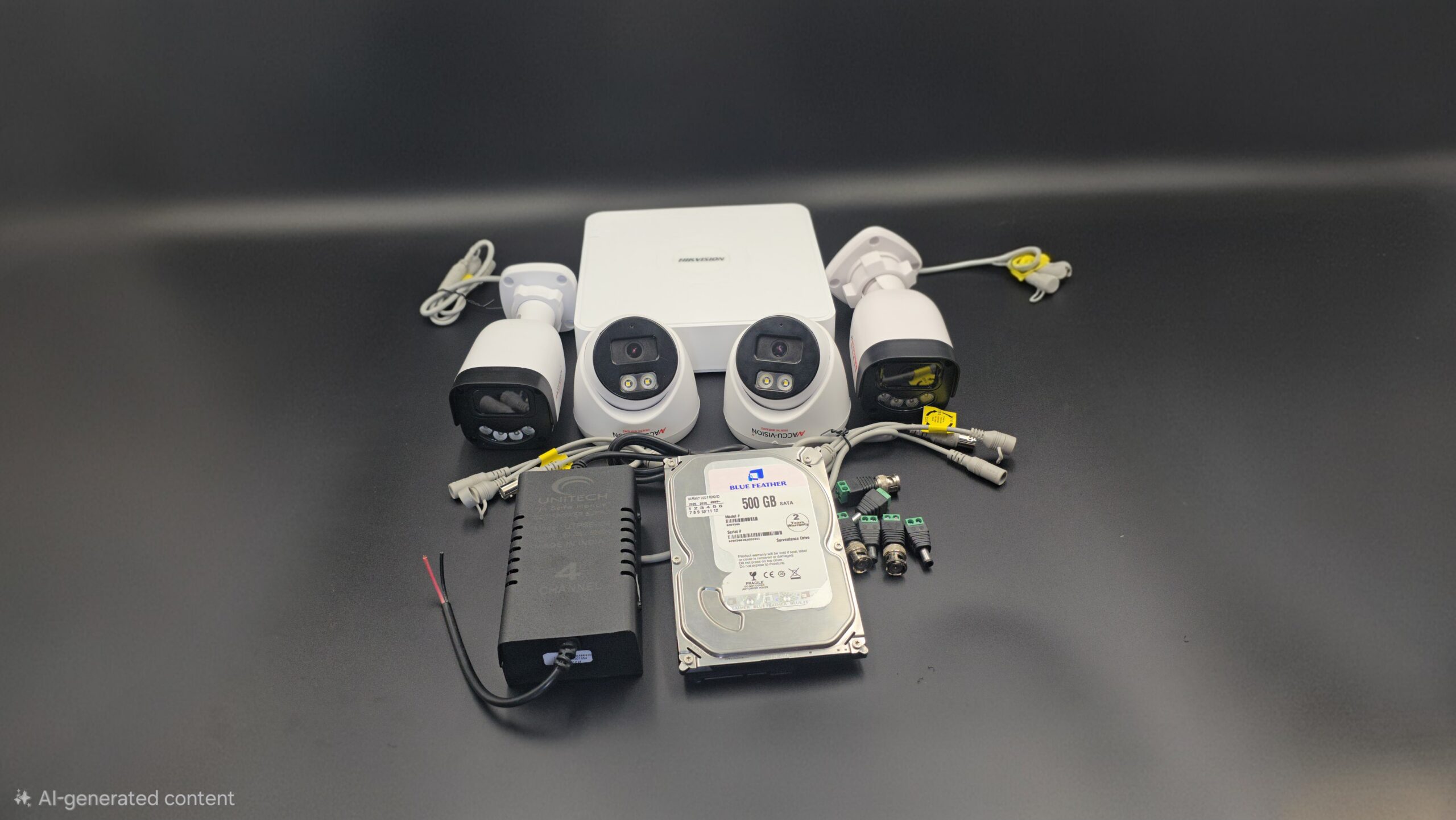
A video surveillance system is a network of cameras and recording devices that monitor and record activities in a specific area. It typically includes:

  • CCTV or IP cameras
  • DVR (Digital Video Recorder) or NVR (Network Video Recorder)
  • Storage (Hard Drive or Cloud Storage)
  • Monitor or Mobile App Access
  • Cables or Wireless Connectivity

These systems can be installed for residential, commercial, and industrial purposes.

Types of Video Surveillance Systems

1. Analog CCTV Systems

These are traditional wired systems that connect cameras to a DVR. They are affordable and suitable for small setups.

2. IP Camera Systems

IP cameras connect via the internet and offer higher video quality. They allow remote viewing through mobile apps or computers.

3. Wireless Surveillance Systems

These systems reduce cable clutter and are easier to install. They are ideal for homes and small offices.

4. Cloud-Based Surveillance

Footage is stored in the cloud instead of a local hard drive. This ensures data safety even if the recorder is damaged.

Steps for Proper Video Surveillance Setup

1. Identify Security Needs

Before installation, determine:

  • Areas that need monitoring
  • Indoor or outdoor coverage
  • Night vision requirements
  • Audio recording needs

For businesses, focus on entrances, exits, cash counters, and storage areas.

2. Choose the Right Cameras

Select cameras based on:

  • Resolution: 1080p, 2MP, 4MP, or 4K
  • Night Vision: Infrared or Color Night Vision
  • Weatherproof Rating: IP66/IP67 for outdoor use
  • Field of View: Wide-angle for larger coverage

High-resolution cameras provide clearer evidence when needed.

3. Plan Camera Placement

Correct placement is critical for effective surveillance:

Professional installation ensures optimal angles and maximum coverage.

4. Install DVR or NVR System

The recorder stores video footage. Choose:

For businesses, larger storage capacity is recommended for longer recording periods.

5. Configure Remote Viewing

Modern systems allow remote monitoring via smartphone apps. This lets you:

  • View live footage anytime
  • Replay recorded videos
  • Receive motion alerts
  • Monitor multiple locations

Remote access increases convenience and security.

Benefits of Video Surveillance Setup

1. Crime Prevention

Visible cameras act as a strong deterrent against theft and vandalism.

2. Evidence Collection

Recorded footage can be used as legal evidence if required.

3. Employee Monitoring

Businesses can monitor employee productivity and customer interactions.

4. Remote Monitoring

You can monitor your property from anywhere in the world.

5. Reduced Insurance Costs

Some insurance companies offer discounts for properties with surveillance systems.

Professional Installation vs DIY Setup

While DIY kits are available, professional installation offers:

  • Proper wiring and cable management
  • Optimal camera placement
  • System testing and configuration
  • Technical support

For large homes, offices, and commercial properties, professional installation is highly recommended.

Maintenance Tips for Surveillance Systems

To ensure long-term performance:

  • Clean camera lenses regularly
  • Check recording status weekly
  • Update firmware when required
  • Inspect cables and connections
  • Test remote access functionality

Routine maintenance ensures uninterrupted security.

Why Invest in a Video Surveillance System?

Security threats are increasing, and prevention is better than cure. A well-designed video surveillance setup not only protects property but also provides peace of mind. Whether for residential safety or business protection, installing a modern CCTV system is a smart investment.

Looking for Professional Video Surveillance Setup?

If you are planning to install a reliable video surveillance system for your home or business, contact experienced CCTV installation professionals. They can design a customized security solution based on your property size and security requirements.

Secure your property today with a smart and efficient video surveillance setup.
read more

CCTV Camera Safety Benefits

CCTV Camera Safety Benefits: Why Every Home & Business Needs Surveillance

In today’s world, safety is no longer optional — it’s essential. Whether you own a home, manage an office, or run a retail store, installing CCTV cameras has become one of the most effective ways to enhance security and peace of mind.

Modern surveillance systems do more than just record footage. They actively prevent crime, protect assets, and create safer environments. Let’s explore the key safety benefits of CCTV cameras and why investing in one is a smart decision.

1. Crime Prevention and Deterrence

One of the biggest advantages of CCTV cameras is their ability to deter criminal activity.

Visible security cameras discourage:

  • Theft
  • Vandalism
  • Trespassing
  • Break-ins
  • Shoplifting

Criminals are far less likely to target properties with visible surveillance systems because the risk of being identified increases significantly.

2. 24/7 Monitoring

CCTV systems provide round-the-clock surveillance, ensuring your property is monitored even when you’re not physically present.

With features like:

  • Night vision
  • Motion detection
  • Continuous recording
  • Remote access

You can monitor activity at any time, from anywhere.

3. Real-Time Remote Access

Modern CCTV cameras allow live streaming through smartphones, tablets, or computers.

This means you can:

Remote monitoring adds an extra layer of control and confidence.

4. Evidence Collection

In case of incidents such as theft, accidents, or disputes, CCTV footage provides reliable evidence.

Recorded video can:

  • Help identify suspects
  • Support police investigations
  • Resolve employee or customer disputes
  • Strengthen insurance claims

Clear video documentation protects you legally and financially.

5. Improved Employee Safety and Productivity

For businesses, CCTV cameras help create a safer working environment.

Benefits include:

Employees tend to follow rules more carefully when they know the workplace is monitored.

6. Enhanced Customer Security

In retail stores, malls, and public spaces, CCTV systems help ensure customer safety.

They help:

  • Monitor crowd control
  • Prevent shoplifting
  • Respond quickly to emergencies
  • Improve overall customer trust

Customers feel safer in monitored environments.

7. Protection Against False Claims

Businesses often face false liability claims. CCTV footage can clarify what actually happened during:

Video evidence reduces the risk of costly legal battles.

8. Monitoring High-Risk Areas

CCTV cameras allow focused monitoring of sensitive areas such as:

  • Cash counters
  • Server rooms
  • Warehouses
  • Parking lots
  • Entry and exit points

This ensures critical assets remain protected at all times.

9. Parental and Family Safety

For homeowners, CCTV cameras offer peace of mind by allowing parents to:

Home security cameras add a strong layer of family protection.

10. Emergency Response Support

During emergencies such as fires, medical incidents, or break-ins, CCTV systems provide real-time information.

Security teams and authorities can:

  • Assess the situation quickly
  • Make informed decisions
  • Respond faster

This can significantly reduce damage and improve safety outcomes.

Final Thoughts

CCTV cameras are no longer a luxury — they are a necessity for modern safety and security. From preventing crime to providing crucial evidence and ensuring peace of mind, the safety benefits are undeniable.

Whether for residential or commercial use, investing in a quality CCTV system is a proactive step toward creating a secure environment.

read more

CCTV Camera Installation Checklist

The Ultimate CCTV Camera Installation Checklist (2026 Guide)

Installing a CCTV system is one of the smartest decisions you can make to protect your home, office, warehouse, or retail store. But simply buying cameras isn’t enough. Proper planning and installation determine how effective your security system will be.

To help you get it right, here’s a complete CCTV camera installation checklist to ensure maximum coverage, performance, and long-term reliability.

✅ 1. Identify Your Security Needs

Before purchasing or installing anything, ask yourself:

  • What areas need monitoring? (Entrance, parking lot, cash counter, warehouse, backyard, etc.)
  • Do you need indoor, outdoor, or both types of cameras?
  • Is remote viewing required?
  • Do you need night vision?
  • How long do you want footage stored?

Understanding your needs prevents overspending and ensures proper coverage.

✅ 2. Choose the Right Type of CCTV Camera

Different environments require different cameras.

Common Types:

  • Dome Cameras – Ideal for indoor surveillance
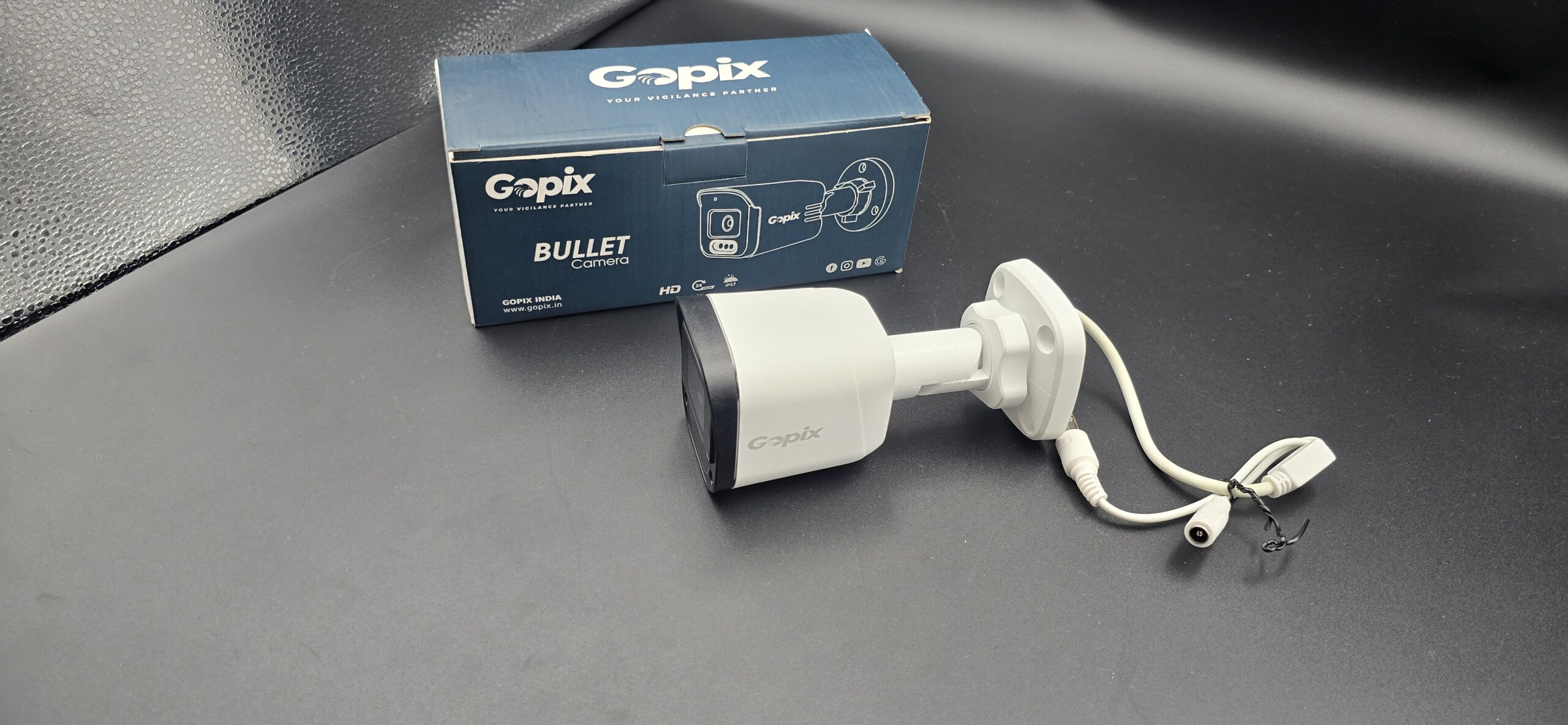
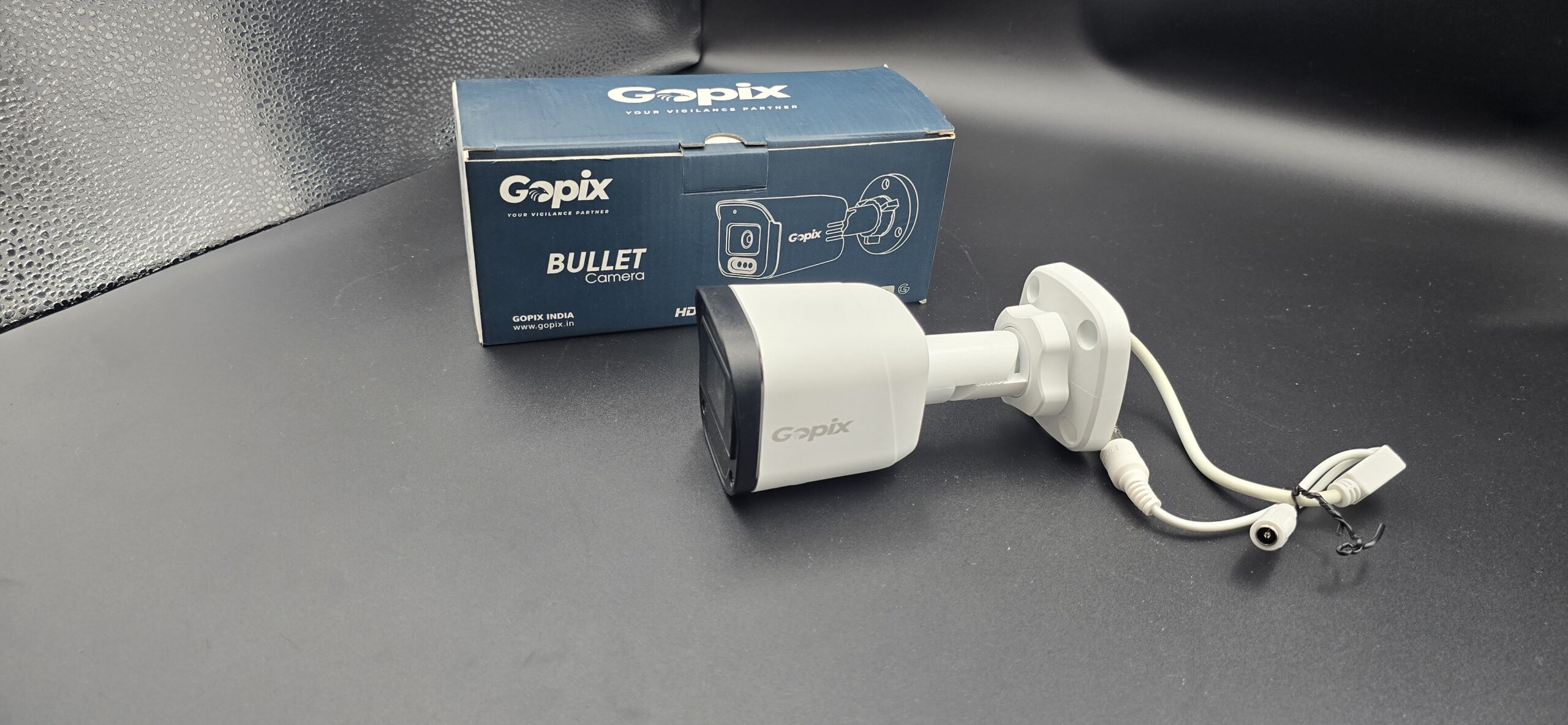
  • Bullet Cameras – Best for outdoor long-distance monitoring
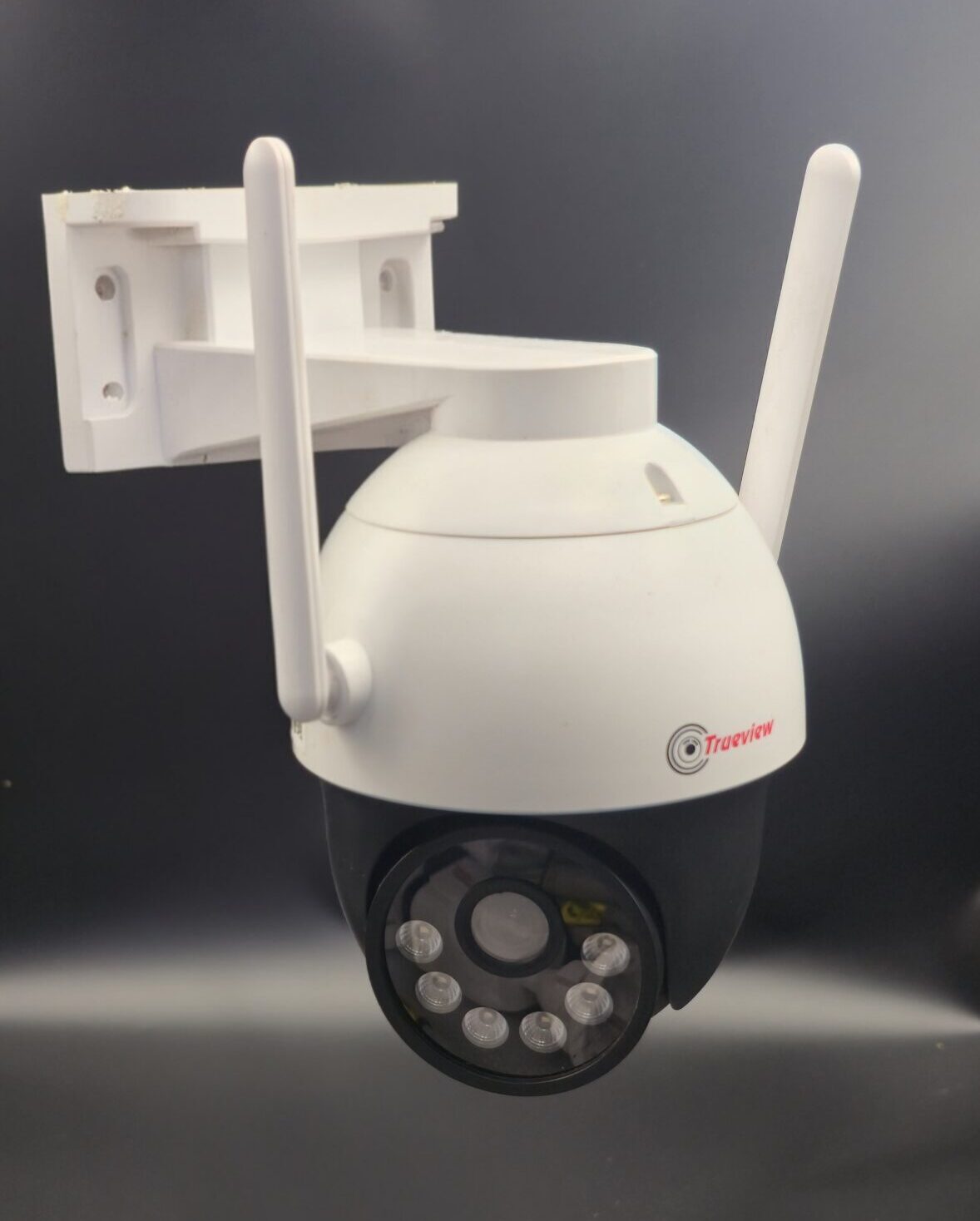
  • PTZ Cameras – Pan, Tilt, Zoom functionality for large areas
  • IP CamerasHigh-definition and remote access
  • Wireless Cameras – Easier installation with flexible placement

Choose based on your property size, lighting conditions, and security level required.

✅ 3. Plan Camera Placement Strategically

Proper positioning is crucial for effective surveillance.

Key Areas to Cover:

Placement Tips:

  • Install cameras at a height of 8–10 feet
  • Avoid pointing directly at bright light sources
  • Ensure clear line of sight
  • Protect outdoor cameras from weather exposure

✅ 4. Check Lighting Conditions

Even the best cameras fail without proper lighting.

✅ 5. Decide Between Wired or Wireless Setup

Wired CCTV

✔ More stable connection
✔ Ideal for large properties
✔ Less interference

Wireless CCTV

✔ Easier to install
✔ Flexible placement
✔ Suitable for small properties

Choose based on your infrastructure and budget.

✅ 6. Ensure Proper Storage Setup

Your CCTV system is only useful if footage is stored correctly.

✅ 7. Secure Power Supply & Backup

Power interruptions can compromise security.

  • Use surge protectors
  • Install UPS (Uninterruptible Power Supply)
  • Consider backup generators for commercial properties
  • Conceal wiring to prevent tampering

✅ 8. Configure Remote Viewing

Modern CCTV systems allow remote monitoring via smartphone or desktop.

  • Install official monitoring apps
  • Set up secure login credentials
  • Enable two-factor authentication
  • Test live streaming and playback features

✅ 9. Test All Cameras Thoroughly

Before finalizing installation:

  • Check video clarity (day and night)
  • Confirm recording functionality
  • Test motion detection alerts
  • Verify remote access
  • Ensure proper date/time stamping

Never skip the testing phase.

✅ 10. Follow Legal & Privacy Regulations

Always ensure compliance with local laws.

  • Inform employees or residents about surveillance
  • Avoid placing cameras in private areas (bathrooms, changing rooms)
  • Display CCTV warning signs
  • Store footage securely

Failure to comply can result in legal consequences.

✅ 11. Schedule Regular Maintenance

Maintenance ensures long-term performance.

  • Clean camera lenses monthly
  • Check cables and connections
  • Update firmware
  • Review footage quality periodically
  • Replace faulty equipment immediately

Final Thoughts

A CCTV system is only as effective as its installation. By following this CCTV camera installation checklist, you ensure better security coverage, improved reliability, and peace of mind.

Whether you’re securing your home or protecting a business, proper planning and professional installation make all the difference.

read more

CCTV Camera Night Vision Range

CCTV Camera Night Vision Range: Everything You Need to Know

Security doesn’t stop when the sun goes down. In fact, most security incidents occur at night — making night vision one of the most important features in a CCTV camera. Whether you’re securing a home, office, warehouse, or parking lot, understanding the night vision range of a CCTV camera helps you choose the right system for your needs.

In this blog, we’ll explain what night vision range means, how it works, and what factors affect its performance.

What Is CCTV Night Vision?

Night vision in CCTV cameras allows them to capture clear footage in low-light or completely dark environments. This is typically achieved using infrared (IR) technology, which enables the camera to “see” even when there is no visible light.

When the light level drops, the camera automatically switches to night mode and activates its infrared LEDs.

What Is Night Vision Range?

The night vision range refers to the maximum distance a CCTV camera can clearly capture images in darkness. It is usually measured in meters or feet.

Common night vision ranges include:

  • 10–20 meters (Indoor/home use)

  • 20–30 meters (Small outdoor areas)

  • 30–50 meters (Commercial spaces)

  • 50–100+ meters (Warehouses, parking lots, industrial areas)

Choosing the right range depends on the size of the area you want to monitor.

How CCTV Night Vision Works

📌 1. Infrared (IR) LEDs

Most CCTV cameras use built-in IR LEDs around the lens. These LEDs emit infrared light that is invisible to the human eye but detectable by the camera sensor.

When darkness is detected:

  • The camera switches to black-and-white mode
  • IR LEDs activate
  • The camera captures images using reflected infrared light

📌 2. Smart IR Technology

Modern cameras use Smart IR, which automatically adjusts the infrared intensity based on object distance. This prevents overexposure when subjects are too close to the camera.

📌 3. Color Night Vision (Low-Light Cameras)

Advanced cameras use:

  • Large image sensors
  • Wide aperture lenses
  • AI image processing

These allow the camera to produce color images even in low-light conditions instead of black-and-white footage.

Factors That Affect Night Vision Range

Even if a camera claims a certain range, performance can vary depending on:

IR LED Power

Stronger IR LEDs provide longer range visibility.

Lens Quality

Better lenses capture more light and improve clarity.

Camera Resolution

Higher resolution (e.g., 4MP, 5MP, 4K) provides clearer night footage.

Environmental Conditions

Rain, fog, dust, and walls can reduce effective night vision distance.

Installation Height & Angle

Improper positioning can limit night visibility.

Types of Night Vision CCTV Cameras

🔹 Standard IR Cameras

  • Black & white at night
  • Affordable
  • Ideal for basic home security

🔹 EXIR / Long-Range IR Cameras

  • Improved infrared spread
  • Longer visibility distance
  • Suitable for warehouses and outdoor spaces

🔹 Color Night Vision Cameras

  • Provide color images in low light
  • Better identification of clothing, vehicles, etc.
  • Higher cost but superior clarity

Night Vision Range Comparison Table

Area Type Recommended Range
Indoor Room 10–20 meters
Small Yard 20–30 meters
Parking Area 30–50 meters
Warehouse 50–80 meters
Large Industrial Site 80–100+ meters

Tips to Improve Night Vision Performance

  • Install cameras away from reflective surfaces
  • Clean the lens regularly
  • Avoid placing cameras behind glass (IR reflection issue)
  • Use additional ambient lighting when possible
  • Choose cameras with Smart IR or color night vision

Why Night Vision Range Matters

Clear nighttime footage helps with:

  • Identifying intruders
  • Recognizing faces
  • Capturing vehicle number plates
  • Monitoring after-hours activity
  • Preventing theft and vandalism

Without proper night vision range, your CCTV system may fail when you need it most.

Conclusion

The night vision range of a CCTV camera is a critical factor in ensuring 24/7 security. While basic cameras may work well for small spaces, larger areas require stronger infrared capability or advanced color night vision technology.

Before purchasing a CCTV system, always evaluate:

  • Area size
  • Lighting conditions
  • Required clarity
  • Budget

Choosing the right night vision range ensures your property stays protected — day and night.

read more

CCTV Camera Motion Detection Feature

CCTV Camera Motion Detection Feature: Smart Surveillance Made Smarter

In modern security systems, CCTV cameras are no longer passive recording devices — they’re active, intelligent tools that help detect unusual activity and alert you in real time. At the heart of this transformation is one of the most powerful features of modern CCTV systems: motion detection.

Whether you’re securing a home, office, retail store, or warehouse, understanding how motion detection works and how it benefits you can dramatically improve your surveillance strategy.

What Is Motion Detection in CCTV Cameras?

Motion detection is a smart feature that enables your CCTV system to identify movement within its field of view. Instead of recording continuously (which fills storage quickly), the camera records only when movement is detected, saving time, storage, and effort.

When motion is detected, the system can:

  • Trigger alerts (push notifications, email, SMS)
  • Start recording only relevant events
  • Trigger alarms or connected security systems
  • Capture snapshots for quick review

How Motion Detection Works

Motion detection in CCTV cameras generally uses one or more technologies:

📌 1. Pixel-Based Motion Detection

This method compares video frames over time. If there’s a change in pixel patterns (indicating movement), the camera flags it as motion.

✅ Pros:

  • Works on most IP and analog cameras

  • Simple to configure

⚠️ Cons:

  • Sensitive to lighting changes like shadows or headlights

📌 2. Passive Infrared (PIR) Sensors

Some CCTV systems include a PIR sensor that detects heat signatures. When a warm object (like a person or vehicle) moves in its range, it triggers the motion detection.

✅ Pros:

  • Reduces false triggers

  • Works well in low light

⚠️ Cons:

  • Usually only available in advanced systems

📌 3. Video Analytics (AI-Based)

Modern smart cameras use AI algorithms to analyze motion, distinguish between people, animals, vehicles, or background movement, and reduce false alarms.

✅ Pros:

  • High accuracy

  • Intelligent alerts (people-only, vehicle-only)

⚠️ Cons:

  • Costs more than basic motion detection systems

Benefits of Motion Detection

1. Saves Storage Space

By recording only when motion occurs, motion detection dramatically reduces the amount of footage saved, extending storage duration and reducing costs.

2. Reduces False Alerts

Smart motion detection filters out irrelevant movement (like tree shadows or insects), so you get only meaningful alerts.

3. Instant Alerts

Receive real-time notifications on your phone or email when motion is detected, helping you act quickly — whether it’s a delivery or a potential threat.

4. Faster Review

Instead of reviewing hours of footage, motion detection lets you jump directly to events with activity.

5. Smart Automation

Some systems can trigger alarms, turn on lights, or activate sirens when motion is detected — adding an extra layer of security.

Types of Motion Detection Alerts

Most CCTV systems provide flexible alert options:

📩 Push Notifications – Instant alerts on your smartphone app
📧 Email Alerts – With snapshot or video clips
🔔 On-Screen Alarms For local monitoring screens
📂 Event Logging – Sorted list of motion-triggered clips

Better Motion Detection: Tips for Optimal Performance

To get more reliable motion detection, here are some practical tips:

📍 Correct Camera Placement

  • Avoid pointing cameras toward busy roads or moving shadows.

  • Place cameras to capture entry points and vulnerable areas.

📍 Adjust Sensitivity Levels

  • Set the motion sensitivity so that small irrelevant movements don’t trigger alerts.

📍 Create Detection Zones

  • Many systems let you define zones (e.g., driveway only) where motion should be detected.

📍 Use Smart Cameras with Analytics

  • AI-based motion detection can distinguish between humans, pets, and vehicles.

Motion Detection vs Continuous Recording

Feature Motion Detection Continuous Recording
Storage Use Low High
Alerts Yes No
Easy Review Yes Time-consuming
False Alarms Reduced with AI None (but no event filters)

Real-Life Use Cases

🎥 Home Security — Capture only when someone approaches your door or yard
🛍️ Retail Stores — Get alerts for after-hours motion or suspicious behavior
🏢 Businesses & Offices — Monitor restricted areas only when activity is detected
🚗 Parking Lots — Detect vehicle movement and prevent theft or vandalism

Choosing the Right Motion Detection CCTV Camera

When selecting a CCTV system with motion detection, consider:

Camera Resolution – Higher resolution means clearer footage
AI Analytics Capabilities – For accurate motion filtering
Smart App Support – Easy remote monitoring
Storage Options – Local HDD vs Cloud storage
Sensitivity & Detection Zones – Custom configurations

Conclusion

The motion detection feature in CCTV cameras is a powerful tool that helps you focus on what matters — real activity — while saving time, storage, and effort. With smart alerts and AI-driven analytics, modern motion detection makes security systems efficient and user-friendly.

Whether you’re setting up security at home or for your business, motion detection is a must-have feature that transforms passive cameras into proactive sentinels.

read more

CCTV Camera Cloud Storage

CCTV Camera Cloud Storage: The Future of Smart Surveillance

In today’s digital world, security is no longer limited to physical locks and guards. CCTV cameras have become an essential part of homes, offices, retail stores, and industrial facilities. But simply installing cameras is not enough — how and where you store the footage matters just as much. This is where CCTV camera cloud storage comes in.

Cloud storage is transforming video surveillance by offering secure, flexible, and accessible solutions for storing footage. Let’s explore what it is, how it works, and why it’s becoming the preferred choice for modern security systems.

What Is CCTV Cloud Storage?

CCTV cloud storage is a system where video footage from surveillance cameras is stored on remote servers (the cloud) instead of local devices like DVRs (Digital Video Recorders) or NVRs (Network Video Recorders).

Instead of saving recordings on a physical hard drive at your location, the footage is encrypted and transmitted over the internet to secure data centers. You can then access it anytime, from anywhere, using a smartphone, tablet, or computer.

How Does It Work?

  1. Camera captures video – The CCTV camera records video as usual.
  2. Internet connection – The footage is sent via a secure internet connection.
  3. Cloud server storage – The video is stored in encrypted cloud servers.
  4. Remote access – Users can log into an app or web portal to view live or recorded footage.

Key Benefits of CCTV Cloud Storage

1. Remote Access Anytime, Anywhere

One of the biggest advantages is the ability to monitor your property from anywhere in the world. Whether you’re traveling or at home, you can check live feeds instantly.

2. Enhanced Security

Local storage devices can be stolen, damaged, or destroyed. With cloud storage, your footage remains safe even if the camera or recorder is tampered with.

3. Automatic Backups

Cloud systems automatically store and back up your recordings, reducing the risk of data loss.

4. Scalability

Need to add more cameras? Cloud storage makes it easy to scale without installing additional hardware.

5. Reduced Maintenance

Unlike DVRs/NVRs, cloud systems don’t require regular hardware maintenance or manual backups.

Cloud Storage vs Local Storage

Feature Cloud Storage Local Storage
Accessibility Remote access On-site access only
Risk of Theft Low High
Maintenance Minimal Requires hardware upkeep
Scalability Easy Limited by hardware
Upfront Cost Lower Higher (equipment cost)

Is CCTV Cloud Storage Safe?

Yes, most reputable cloud providers use:

  • End-to-end encryption
  • Multi-factor authentication
  • Secure data centers
  • Regular software updates

However, security also depends on using strong passwords and reliable internet connections.

Who Should Use CCTV Cloud Storage?

Cloud storage is ideal for:

  • Homeowners
  • Small businesses
  • Retail shops
  • Warehouses
  • Multi-location enterprises
  • Property managers

It is especially useful for businesses with multiple branches, as it allows centralized monitoring.

Things to Consider Before Choosing Cloud Storage

Before investing, consider:

  • Internet speed and reliability
  • Monthly or annual subscription costs
  • Storage duration (7, 15, 30, or 90 days retention)
  • Data privacy regulations in your country
  • Customer support and service reliability

The Future of CCTV Surveillance

With advancements in AI and smart analytics, cloud-based CCTV systems are becoming even more powerful. Features like facial recognition, motion detection alerts, and real-time notifications are easier to implement with cloud platforms.

As technology continues to evolve, cloud storage will likely become the standard for modern surveillance systems.

Conclusion

CCTV camera cloud storage offers a secure, flexible, and convenient way to manage surveillance footage. It eliminates the risks associated with physical storage devices and provides easy remote access for users.

Whether for home security or business protection, cloud-based CCTV storage is a smart investment for the future.

read more

CCTV Camera Warranty Details

📄 CCTV Camera Warranty Details: Everything You Need to Know

When purchasing a CCTV camera, most buyers focus on price, resolution, and features — but warranty is equally important. A good warranty protects your investment, ensures peace of mind, and reflects the manufacturer’s confidence in their product.

This blog explains CCTV camera warranty coverage, what is included, what is not, and how to claim it.

🔍 What Is a CCTV Camera Warranty?

A CCTV camera warranty is a written guarantee from the manufacturer or seller that the camera and related equipment will be repaired or replaced if a defect occurs within a specific period.

Warranty typically covers:

Manufacturing defects

Hardware failure under normal usage

Performance issues due to internal faults

⏳ Standard Warranty Period for CCTV Cameras

Most CCTV brands offer the following warranty periods:

  • CCTV Cameras: 1–2 years
  • DVR / NVR Recorders: 1–2 years
  • Hard Disk Drives (HDD): 1 year
  • Power Adapters & Accessories: 3–6 months

📌 Always confirm warranty terms at the time of purchase.

✅ What Is Covered Under CCTV Warranty?

Generally, the warranty includes:

✔ Manufacturing defects
✔ Camera not powering on due to internal fault
✔ DVR/NVR motherboard failure
✔ Image or recording issues caused by hardware problems
✔ Factory-installed components

❌ What Is NOT Covered Under Warranty?

Warranty does not cover damages caused by:

✖ Physical damage or mishandling
✖ Water damage due to improper installation
✖ Power surge, lightning, or voltage fluctuation
✖ Tampering or unauthorized repair
✖ Normal wear and tear
✖ Software misconfiguration

🛠️ Installation & Warranty: Important Note

Improper installation can void your warranty. To keep your warranty valid:

✔ Use recommended power supplies
✔ Follow installation guidelines
✔ Avoid modifying hardware
✔ Use surge protectors or UPS

Professional installation is often recommended for warranty protection.

📋 Documents Required for Warranty Claim

To claim CCTV warranty, you usually need:

  • Original purchase invoice
  • Warranty card or serial number
  • Product box with barcode (for some brands)

Without these documents, warranty claims may be rejected.

🔁 Repair vs Replacement Policy

  • Minor issues → Repair
  • Major manufacturing defect → Replacement
  • Repeated failures → Product exchange (brand-dependent)

Warranty service timelines typically range from 7 to 30 working days.

🏷️ Brand Warranty Differences

Different brands offer different warranty support:

Always check service center availability in your city.

📌 Tips to Maximize Your CCTV Warranty

✔ Register your product online (if available)
✔ Keep invoice and warranty card safe
✔ Use quality cables and power supply
✔ Protect cameras from water and dust
✔ Perform regular maintenance

⚠️ Extended Warranty – Is It Worth It?

Some sellers offer extended warranty plans for an additional cost.

Recommended if:

🏁 Conclusion

A CCTV camera warranty is more than just paperwork — it’s a safety net for your security system. Understanding warranty coverage, exclusions, and claim procedures helps you avoid unexpected expenses and ensures long-term protection.

Before buying, always ask:
✔ Warranty period
✔ Coverage details
✔ Service process
✔ Authorized service centers

read more

CCTV Camera for Factory Use

📽️ Best CCTV Cameras for Factory Surveillance (2026)

Choosing the right CCTV system for a factory means prioritizing durability, wide monitoring, night vision, weatherproofing, and reliable recording. Industrial environments often have dust, vibration, and variable lighting — so camera quality matters.

📸 Top CCTV Cameras for Factory Use

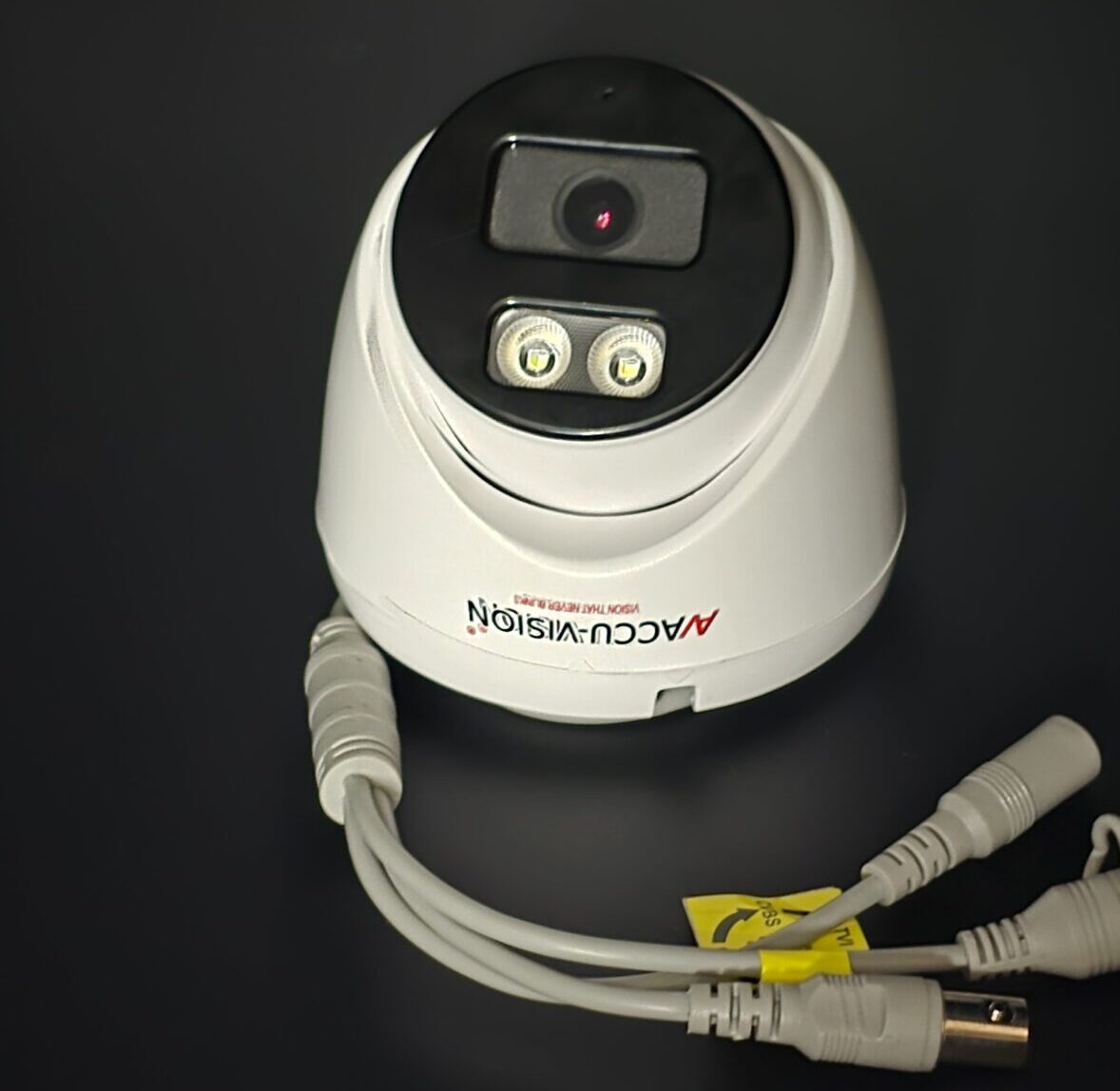
AccuVision Camera
AccuVision Camera
Dazzling Infotech- cctv camera installation in chennai/cctv dealers in chennai
Hikvision 5MP IP67 Mini‑Bullet Camera
Accura 6MP AHD Dome CCTV Camera
Accura 6MP AHD Bullet CCTV Camera
Hikvision 8‑Channel CCTV System

📌 Recommended for Industrial Environments

AccuVision CameraBasic Industrial CCTV
• A good starter camera choice for monitoring entry/exit, floors, and machinery. Helps record activity reliably across factory zones.
👉 Useful for simple perimeter and indoor monitoring.

Hikvision 5MP IP67 Mini‑Bullet CameraWeatherproof & Durable
• IP67 rated — protects against dust and heavy water exposure — great for outdoor gates, yards, and warehouse areas.
• High-resolution 5 MP imaging and night vision for clear footage day & night.

Accura 6MP AHD Dome CCTV CameraHigh-Definition Dome Camera
• Wide-area coverage and robust housing make it good for indoor factory floors, employee corridors, and storage sections.
• IR night vision and advanced image processing for low-light conditions.

Accura 6MP AHD Bullet CCTV CameraStarlight Tech for Low Light
• Excellent choice where lighting varies — star light technology helps capture useful footage even in dim environments.
• Rugged bullet form factor suited for outdoor or semi-open factory spaces.

Hikvision 8‑Channel CCTV SystemComplete Surveillance Bundle
• Good option for medium to larger factories — includes cameras + DVR recorder + accessories.
• Centralized monitoring and recording make it easier to manage many camera streams.

🏭 Why These Cameras Work for Factories

Industrial CCTV systems should excel in these areas:

🔧 Rugged & Weatherproof

Factory environments can be dusty, harsh, and variable in temperature. Choose cameras with high IP ratings (IP66/IP67) for outdoor or semi-outdoor areas.

🌙 Night Vision & Low-Light Performance

Areas like parking lots, machinery rooms, and service corridors often have uneven lighting — night vision and enhanced low-light modes are must-have features.

📡 Wide Coverage & Scalability

Factories need multiple points covered — from gates to inventory storage. Dome and bullet cameras allow varied coverage, and multi-channel recorders help manage many devices.

📱 Remote Monitoring

Modern systems let you view live footage on phones or computers — essential for security teams overseeing large areas.

📍 How to Deploy CCTV in a Factory

🔹 Entry & Exit Points: Cover all factory gates with weather-resistant cameras.
🔹 Production Floor: Use dome cameras to capture broad area activity.
🔹 Storage & Warehouse: Bullet cameras with long-range IR help monitor aisles and racks.
🔹 Parking & Yard: Outdoor-rated cameras protect vehicles and goods.
🔹 Control Room: Central DVR/NVR for recording & playback for incident review.

📌 Quick Buying Tips

✅ Go for IP67 or higher ratings for outdoor factory areas.
✅ Choose ≥4 MP resolution for clear identification of people and objects.
✅ Use night vision + motion detection to avoid blind spots.
✅ Match cameras with a good NVR/DVR system for long-term storage.

🏁 Final Thoughts

For factories, surveillance isn’t just security — it’s a way to keep operations smooth, reduce theft, and boost worker safety. Start with rugged, high-resolution cameras like the ones above, and scale your CCTV system as your facility grows.

read more

Outdoor CCTV Camera Waterproof Rating

📌 Outdoor CCTV Camera Waterproof Ratings: What You Need to Know

When you’re installing CCTV cameras outside—in the rain, sun, dust, or near sprinkler systems—weatherproofing is critical. The standard way manufacturers indicate this is with an IP rating (Ingress Protection).

🌧️ What Is an IP Rating?

IP stands for Ingress Protection. It’s a two-digit code that tells you how well the camera’s housing protects against dust and water.

  • First digit (0–6): Protection against solids like dust.

    • 6 = Dust-tight — best for outdoor use.

  • Second digit (0–9): Protection against water ingress.

    • Higher numbers = better water resistance.

So a typical outdoor camera might be IP66, IP67, or IP68.

🌦️ Common Outdoor IP Ratings

🔹 IP65 – Good Rain Protection

👉 Use case: Regular rainfall areas with standard outdoor exposure.

🔹 IP66 – Heavy Rain & Storm-Ready

  • Dust-tight and protected from powerful water jets.
  • Handles heavy rain, wind-driven showers, and pressure sprays.
  • One of the most common ratings for outdoor CCTV cameras.

👉 Use case: Exposed outdoor cameras on roofs, open yards, compounds.

🔹 IP67 – Highest Outdoor Water Resistance

  • Dust-tight and can withstand temporary immersion in water (up to ~1 m for 30 min).
  • Ideal if cameras might face flooding, heavy storms, or extreme conditions.

👉 Use case: Flood-prone areas, ground-level cameras, near ponds or pools.

🔹 IP68 – Specialized Protection

  • Even stronger protection, often for underwater or harsh industrial environments.
  • Rare for typical residential cameras.

🛠️ Why Waterproof Rating Matters

Outdoor CCTV cameras are constantly exposed to weather — rain, dust, humidity, and even water jets from cleaning. Without a proper IP rating, water can seep in, short circuit electronics, or cause corrosion and blurry footage.

⚠️ Important: IP rating applies to the camera housing only, not necessarily the cables or connectors — these also need proper sealing.

🧠 Tips for Choosing Waterproof Cameras

✔️ Always choose at least IP65 for outdoor cameras.
✔️ If your location gets heavy rain, storms, or flooding, go for IP66 or IP67.
✔️ Mount cameras under eaves or protective covers to increase lifespan.
✔️ Check if cables and mounts are also weather-protected, not just the camera body.

📊 Quick Rating Summary

IP Rating Dust Protection Water Protection Typical Use
IP65 Dust-tight Low pressure jets General rain, moderate weather
IP66 Dust-tight Powerful jets Heavy rain, exposed locations
IP67 Dust-tight Temporary immersion Harsh weather, flooding zones
IP68 Dust-tight Extended immersion Industrial or niche environments

(Descriptions based on international ingress protection standards.)

🏁 Final Thoughts

For most homes and small businesses, IP65 or IP66 rated outdoor CCTV cameras give you reliable performance against dust and rain — even during monsoons or heavy showers. If you live in a flood-prone or extremely wet area, consider IP67 for added peace of mind.

read more

Indoor CCTV camera recommendations

📹 Best Indoor CCTV Cameras You Can Consider (2026)

Here are some top-rated indoor CCTV cameras that balance quality, features, and value — ideal for home monitoring, baby/pet surveillance, or office security:

TP‑Link Tapo C200 Pan/Tilt Home Security Wi‑Fi Camera
TP‑Link Tapo C211 2K 3MP Pan/Tilt Wi‑Fi Camera
Qubo Smart Cam 360 3MP
Godrej ACE PRO Smart Home Camera 3MP
TP‑Link Tapo C100 Security Camera
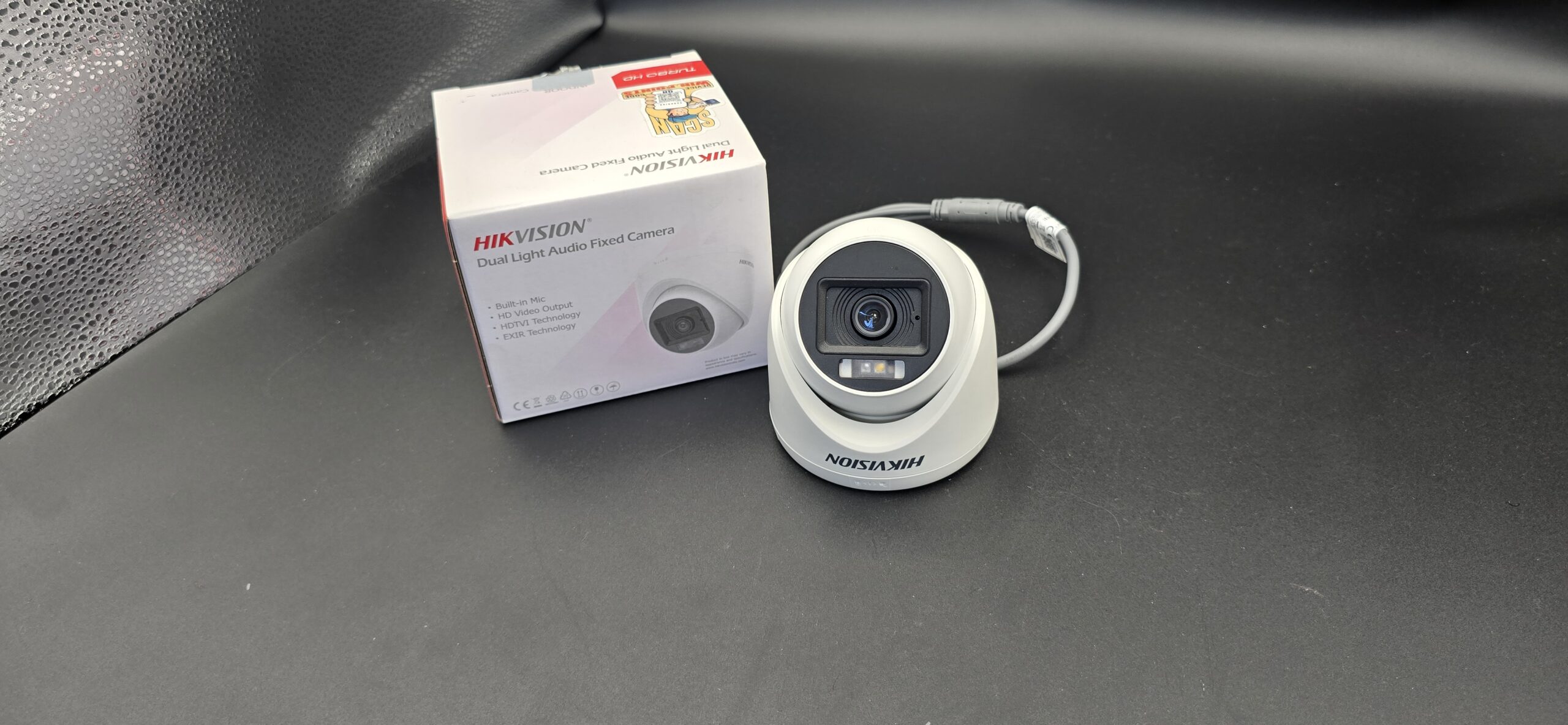
Hikvision HD‑TVI Dome Camera
🔐 Top Picks for Home & Office Security

TP‑Link Tapo C200 Pan/Tilt Home Security Wi‑Fi Camera – Excellent all-rounder
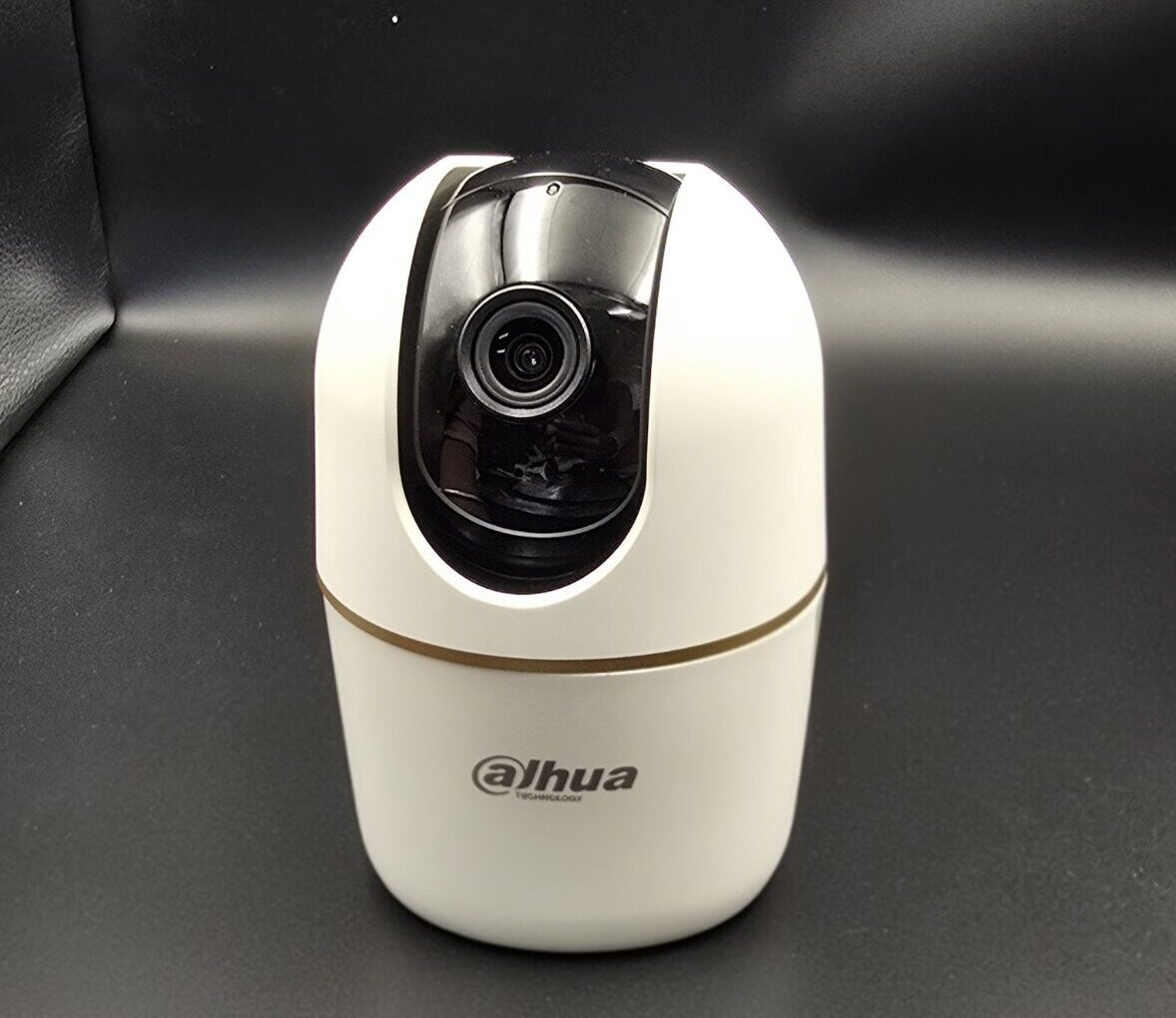
A pan/tilt camera with wide coverage, motion alerts, night vision, and two-way audio — great for general indoor security and pet monitoring.

TP‑Link Tapo C211 2K 3MP Pan/Tilt Wi‑Fi Camera – Higher-resolution choice
Offers sharper 2K video, smooth pan/tilt controls, smart motion detection and easy app setup — ideal if you want clearer footage for identification.

Qubo Smart Cam 360 3MP – Budget 360° surveillance
Affordable option with 360° view, motion alerts and night vision — good for small rooms or entryway coverage without blind spots.

Godrej ACE PRO Smart Home Camera 3MP – Trusted Indian brand
Compact and reliable camera with decent video quality, night vision, and smart alerts — perfect for daily home monitoring.

TP‑Link Tapo C100 Security Camera – Simple & reliable
Great basic indoor security camera with 1080p video, motion detection and app alerts — great if you want an easy plug-and-play option.

Hikvision HD‑TVI Dome Camera – Traditional dome option
Wired dome camera with clear imaging — ideal for offices, reception areas, or rooms where you want discreet, fixed surveillance.

🔎 What to Look for in Indoor CCTV Cameras

When choosing an indoor camera, these features matter most:

📍 1. Video Quality

Choose 1080p or higher resolution to ensure clear footage and identifiable details — especially useful in case of incidents.

🌙 2. Night Vision

Essential for 24/7 monitoring — cameras with IR LEDs will capture clear video even in low or no light.

📱 3. Motion Detection & Alerts

Smart motion sensing reduces false triggers and sends alerts to your phone when important motion is detected.

🔊 4. Two-Way Audio

Allows you to talk through the camera (e.g., tell pets to settle or speak to someone at home).

☁️ 5. Storage Options

Look for cloud + local SD card support so you don’t lose footage if internet goes down.

🏠 How to Use These Cameras Effectively

✅ Mount cameras near entry points, living rooms, hallways
✅ Position at eye level or higher for best view
✅ Use secure Wi-Fi and enable encryption
✅ Regularly check storage and alerts

read more