• dazzlinginfotech.co.in
  • No. 81, 33, Thiyagappa Chetty St, Meenambal Nagar, Korukkupet, Old Washermanpet, Chennai, Tamil Nadu 600021

cctv camera

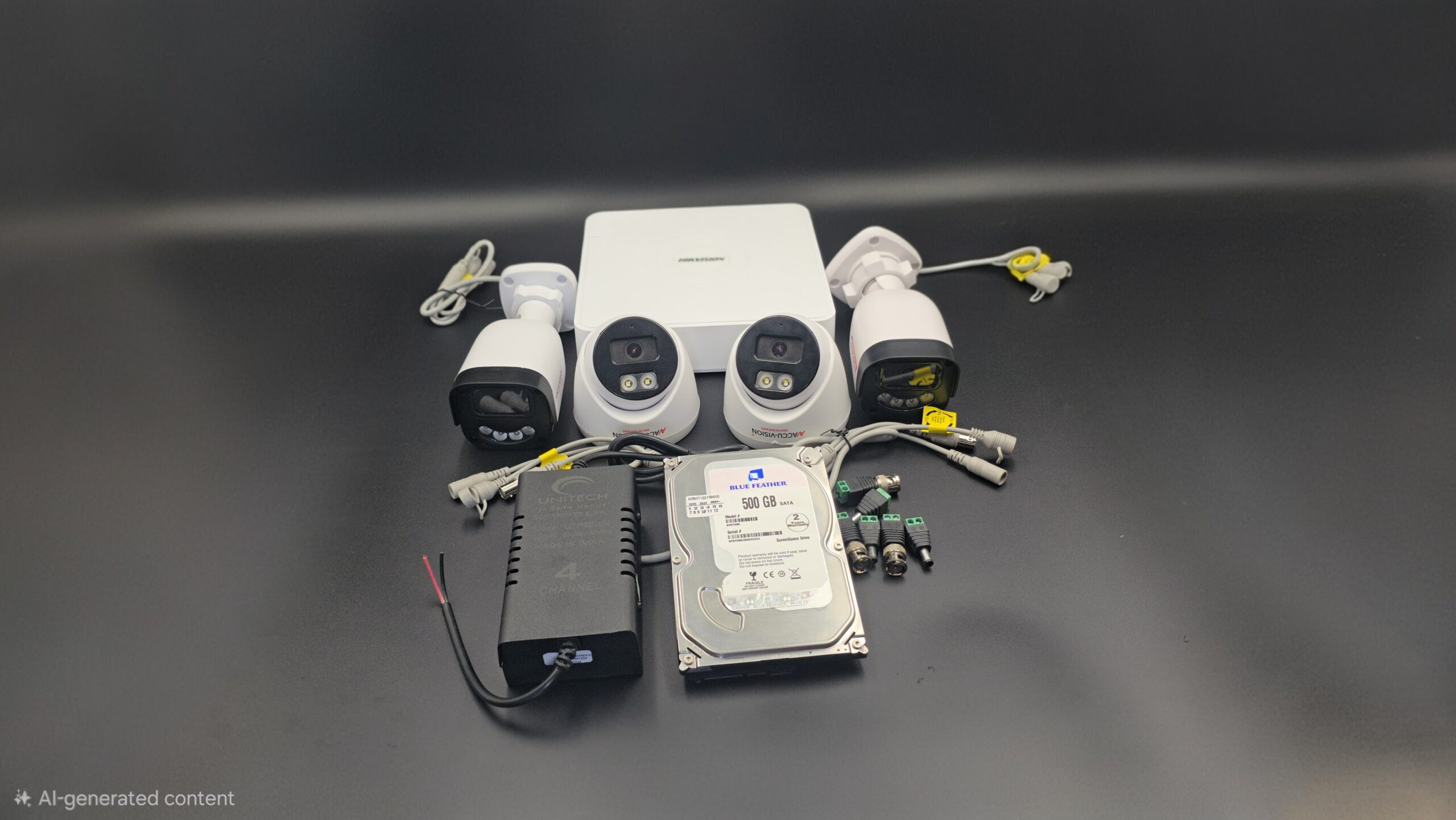
How Many CCTV Cameras Do I Need?

How Many CCTV Cameras Do I Need? – A Complete Guide

Choosing the right number of CCTV cameras is essential for proper security. Installing too few cameras can leave blind spots, while too many may increase costs unnecessarily. The ideal number depends on your property size, layout, and security needs.

Factors That Decide the Number of CCTV Cameras

1. Property Type

Different places require different coverage:

  • Home / Apartment
  • Shop / Showroom
  • Office
  • Warehouse / Factory
  • School / Hospital

Each has unique entry points and risk areas.

2. Size and Layout of the Area

Larger properties need more cameras. Also consider:

  • Number of rooms
  • Corridors and staircases
  • Parking areas
  • Open spaces and blind corners

Wide-angle cameras can reduce the total number required.

3. Entry and Exit Points

Every main entrance and exit should be covered. These are high-risk areas for theft and unauthorized access.

4. Indoor vs Outdoor Coverage

  • Indoor cameras monitor rooms, halls, counters, and corridors
  • Outdoor cameras protect gates, parking, compound walls, and loading areas

Outdoor cameras are especially important for 24/7 security.

Recommended Number of CCTV Cameras

🏠 For Home

  • 1 camera for main entrance
  • 1 camera for back door or balcony
  • 1–2 cameras for living areas or parking
    Total: 2 to 4 cameras

🏪 For Small Shop

  • 1 camera at entrance
  • 1 camera covering billing counter
  • 1 camera for storage or back area
    Total: 3 to 4 cameras

🏢 For Office

  • 1 camera at entrance
  • 1 camera at reception
  • 1 camera per floor or department
  • 1 camera for parking
    Total: 4 to 8 cameras

🏭 For Warehouse / Factory

  • Multiple cameras for entry points
  • Cameras for production and storage areas
  • Cameras for loading/unloading zones
    Total: 8 to 16+ cameras (based on size)

Tips to Optimize Camera Count

✔ Use wide-angle or HD cameras
✔ Avoid overlapping views unnecessarily
✔ Perform a site survey before installation
✔ Focus on high-risk and high-traffic areas

Professional CCTV installers can help you plan effectively.

Why Proper Camera Planning Is Important

  • Reduces blind spots
  • Improves video clarity and coverage
  • Saves installation and maintenance costs
  • Ensures better security monitoring

Conclusion

There is no one-size-fits-all answer to how many CCTV cameras you need. A small home may need just 2–4 cameras, while shops and offices require more based on layout and risk level. The best approach is a custom security plan tailored to your property.

For expert guidance and professional installation, always consult a trusted CCTV service provider.
 

read more

Best CCTV Camera for Night Vision

Best CCTV Camera for Night Vision – Complete Guide for 2026

Good surveillance isn’t just about daytime clarity—night vision is equally important. Most crimes and suspicious activities happen in dim light or after dark, making night vision a must-have feature in modern CCTV systems. This guide explains what night vision CCTV cameras are, why they matter, and which features you should look for when choosing the best night vision camera.

What Is Night Vision in CCTV Cameras?

Night vision allows CCTV cameras to record clear video in low-light or no-light conditions using infrared (IR) LEDs, low-light sensors, or color night vision technology. These features help the camera capture usable footage even during nighttime, helping protect your property 24/7.

Why Night Vision Matters

Security challenges Don’t sleep—and neither should your camera. Night vision CCTV cameras help you:

  • 🌙 Monitor surroundings in complete darkness
  • 🚨 Identify people, vehicles, and activities at night
  • 🎥 Get clear footage even in low light
  • 🔍 Improve evidence quality for investigations

Key Features to Look for in Night Vision CCTV Cameras

1. IR (Infrared) LEDs

Infrared LEDs emit light that’s invisible to the eye but visible to the camera sensor, allowing recording in darkness.
✔ Better clarity at night
✔ Works without visible light

2. Color Night Vision

Unlike traditional black-and-white IR footage, color night vision uses advanced sensors to provide colored images even in low light, which helps in identifying important details like clothing color and vehicle color.

3. Low-Light Sensors

Cameras with starlight or low-light technology capture clearer, brighter footage without relying solely on infrared.

4. Range of Night Vision

Check how far the night vision can see:
✔ 20–30 meters – Small homes
✔ 40–50 meters – Large yards, parking
✔ 60+ meters – Commercial properties

5. Automatic IR Cut Filter

This feature switches between day and night mode automatically for better light balance and clearer images throughout the day.

Types of CCTV Cameras with Great Night Vision

🔹 Bullet Cameras

✔ Long-range night vision
✔ Great for outdoors
✔ Tough, weatherproof design

🔹 Dome Cameras

✔ Discreet & stylish
✔ Great for entrances and verandahs
✔ Good night coverage

🔹 IP Cameras with Night Vision

✔ High-resolution videos
✔ Smart alerts and remote access
✔ Wide dynamic range (WDR)

When Do You Need Night Vision CCTV Cameras?

  • Outdoor entrances and parking spaces
  • Backyard & driveway
  • Shop fronts and road access points
  • Warehouses and industrial properties
  • Public or common areas at night

Benefits of Night Vision CCTV Cameras

✔ 24/7 surveillance—day & night
✔ Better protection from theft and vandalism
✔ Clearer evidence in investigations
✔ Peace of mind when you’re away
✔ Smart motion alerts even at night

Conclusion

A CCTV camera with excellent night vision ensures your property remains protected even in complete darkness. When choosing a night vision camera, look for strong IR LEDs, color night vision, and good range to make sure you get reliable and clear footage at night. Investing in the right night vision CCTV camera means no blind spots at night and continuous peace of mind.

read more

Wireless CCTV Camera vs Wired

Wireless CCTV Camera vs Wired CCTV Camera—Which Is Better?

Choosing the right CCTV camera system is essential for effective security. Two popular options are wireless CCTV cameras and Wired CCTV cameras. Each system has its own advantages and is suitable for different situations. This blog explains both types, their benefits, limitations, and how to choose the best option for your needs.

What Is a Wired CCTV Camera?

A wired CCTV camera uses cables (coaxial or Ethernet) to connect directly to a DVR/NVR for power and video transmission. These cameras are known for stable performance and reliability.

Advantages of Wired CCTV Cameras

  • 📹 Stable & Reliable Signal: Less interference compared to wireless
  • 📼 Continuous Recording: Ideal for long-term monitoring
  • No Dependency on WiFi: Works even without internet
  • 🔒 Strong Security: Harder to tamper with signal

Limitations

  • 🚧 Needs Cables: Installation requires wiring and drilling
  • 🛠 Longer Setup Time: Needs professional installation
  • 💰 Installation Cost: Extra wiring and labor charges

What Is a Wireless CCTV Camera?

A wireless CCTV camera uses your WiFi network to send video signals to your phone or recording device. These cameras are easy to install and great for flexible locations.

Advantages of Wireless CCTV Cameras

  • 📱 Easy Setup: No long cables required
  • 🚨 Remote Viewing: Watch live feed instantly on smartphone or tablet
  • 🆓 Flexible Placement: Can be moved easily
  • 💡 Ideal for Renters: No drilling or complex wiring

Limitations

  • 📶 WiFi Dependency: Requires stable internet connection
  • 🔋 Power Backup Needed: May need extra power sources
  • 📡 Signal Interference: Walls or other devices can affect signal
  • 🔒 Security Risk: Can be hacked if not secured properly

Head-to-Head Comparison

Feature Wired CCTV Camera Wireless CCTV Camera
Installation Requires wiring Easy, no wiring
Internet Required Not needed Required
Signal Reliability Very stable Can vary with WiFi
Remote Viewing With NVR & network Via WiFi app
Cost Higher installation cost Lower installation cost
Best For Large properties & businesses Homes & temporary use

Which System Should You Choose?

Choose Wired CCTV If:

  • You want stable, uninterrupted recording
  • Your property is large
  • You prefer professional installation
  • Internet connection is weak or inconsistent

Choose Wireless CCTV If:

  • You need easy installation
  • You want mobile viewing from anywhere
  • You rent your place or move often
  • You have good WiFi coverage

Conclusion

Both Wireless and Wired CCTV systems have their place in modern security. Wireless cameras are convenient and perfect for quick setups, while wired systems offer unmatched stability and long-term recording reliability. The best choice depends on your security needs, property size, budget, and internet availability.

At [https://dazzlinginfotech.co.in], we offer both wired and wireless CCTV solutions, along with professional installation and support to keep your property safe and secure.

read more

WiFi CCTV Camera Benefits

WiFi CCTV Camera Benefits – Smart Security for Modern Homes & Businesses

A WiFi CCTV camera is a modern surveillance solution that connects to the internet wirelessly and allows users to monitor their property in real time through a mobile app or computer. With easy installation and smart features, WiFi cameras are becoming increasingly popular for homes, shops, and offices.

What Is a WiFi CCTV Camera?

A WiFi CCTV camera transmits video footage through a wireless internet connection instead of using long cables. These cameras can be accessed remotely from anywhere using a smartphone, tablet, or laptop, making security more convenient and flexible.

Key Benefits of WiFi CCTV Cameras

1. Easy Installation

WiFi CCTV cameras are quick and simple to install. Since there is no complex wiring, installation is neat and less time-consuming, making it ideal for homes and small businesses.

2. Remote Viewing Anytime, Anywhere

With a WiFi camera, you can watch live footage from anywhere using a mobile app. Whether you are at work or traveling, your property stays under your control.

3. Wireless & Flexible Placement

These cameras can be installed in any location with WiFi coverage. You can easily relocate them when needed, which is perfect for rented houses or temporary setups.

4. Smart Motion Alerts

Most WiFi CCTV cameras come with motion detection. When movement is detected, instant alerts are sent to your mobile phone, helping you respond quickly to any suspicious activity.

5. Night Vision for 24/7 Security

WiFi cameras support infrared night vision, ensuring clear monitoring even in complete darkness, providing round-the-clock protection.

6. Two-Way Audio Communication

Many WiFi cameras include built-in microphones and speakers, allowing two-way communication. You can talk to visitors or warn intruders remotely.

7. Cost-Effective Security Solution

WiFi CCTV cameras are generally affordable and reduce installation costs since less cabling and accessories are required.

8. Cloud & SD Card Storage Options

Footage can be stored on cloud storage or SD cards, allowing easy access, playback, and backup without bulky recording devices.

Where Are WiFi CCTV Cameras Best Used?

  • Homes & apartments
  • Small shops & retail stores
  • Offices & startups
  • Rental properties
  • Indoor security monitoring

Conclusion

WiFi CCTV cameras offer a smart, flexible, and affordable security solution for modern living. With features like remote access, motion alerts, night vision, and easy installation, they are perfect for anyone looking for reliable surveillance without complex wiring.

If you want, I can also:

  • Customize this blog for your CCTV business website
  • Add SEO keywords
  • Write a short promotional version
  • Localize it for Chennai or India
read more

CCTV Camera Recording Storage Options

CCTV Camera Recording Storage Options

Choosing the right CCTV camera recording storage option is very important for effective security and long-term video backup. CCTV storage determines how long footage is saved, video quality, and how easily recordings can be accessed.

Why CCTV Storage Matters

CCTV storage helps you:

  • Review past incidents
  • Collect video evidence
  • Monitor activities over time
  • Ensure continuous security

The better the storage option, the more reliable your surveillance system becomes.

Common CCTV Camera Storage Options

1. DVR (Digital Video Recorder) Storage

DVR storage is used with analog CCTV cameras.

  • Records video from multiple cameras
  • Stores footage on an internal hard disk
  • Works without internet
  • Suitable for homes, shops, and offices

Best for: Budget-friendly wired CCTV systems

2. NVR (Network Video Recorder) Storage

NVR storage is used with IP cameras.

  • High-resolution video recording
  • Supports PoE and LAN-connected cameras
  • Stores data on hard disks
  • Allows remote viewing with internet

Best for: High-quality and advanced surveillance setups

3. Hard Disk Drive (HDD)

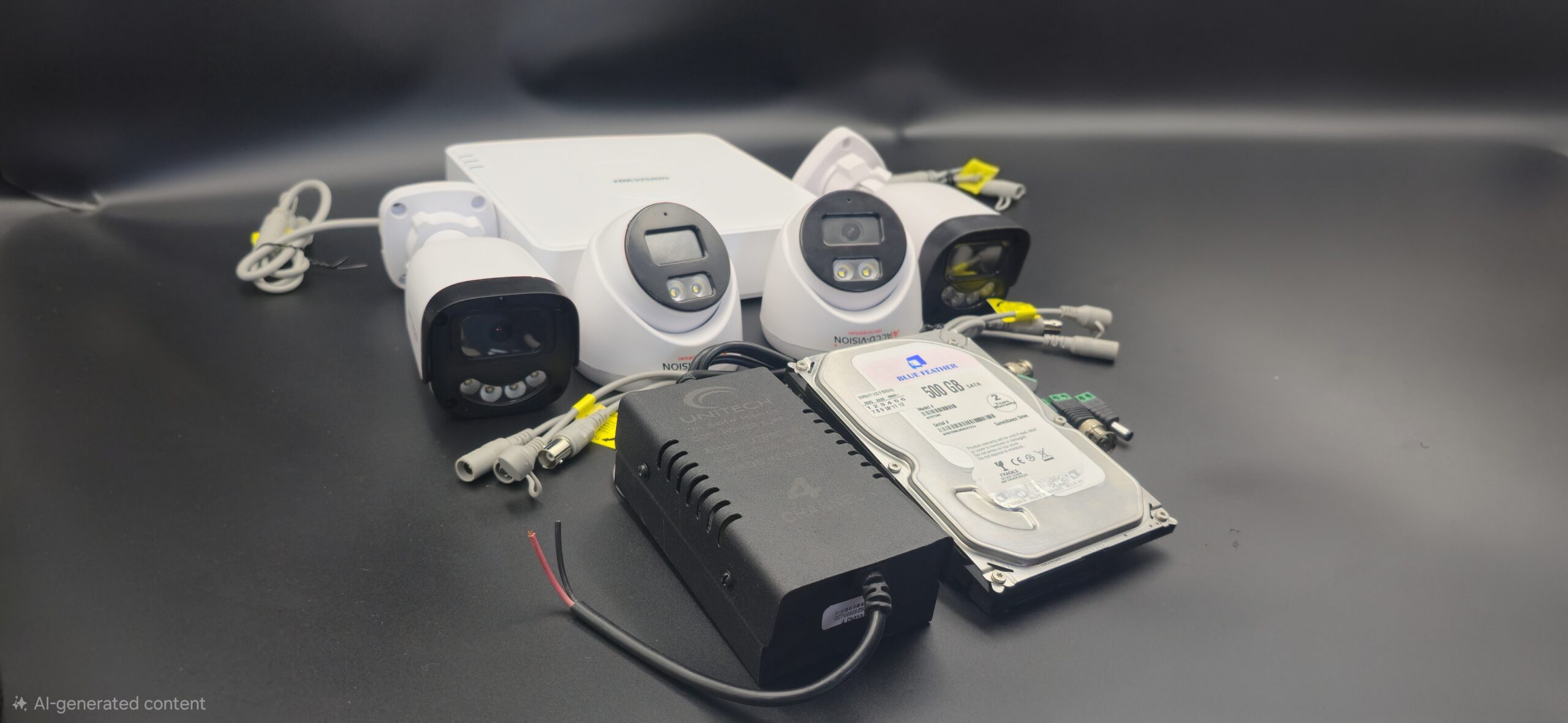
Most DVRs and NVRs use surveillance-grade HDDs.

  • Available in 500GB, 1TB, 2TB, 4TB, and more
  • Designed for 24/7 recording
  • Longer lifespan than normal PC hard drives

Best for: Continuous video recording

4. SD Card Storage

Some WiFi and standalone cameras support SD cards.

  • Storage capacity usually up to 256GB
  • Records locally inside the camera
  • Works even without internet

Limitations: Limited storage duration and risk of damage or theft

5. Cloud Storage

Cloud storage saves footage on secure online servers.

  • Accessible from anywhere
  • Safe from physical damage or theft
  • Requires internet and subscription

Best for: Remote monitoring and backup security

6. Hybrid Storage (Local + Cloud)

Many modern systems support both local and cloud storage.

  • Local HDD for daily recording
  • Cloud for important events
  • Extra protection and flexibility

How Much Storage Do You Need?

Storage depends on:

  • Number of cameras
  • Camera resolution (2MP, 4MP, 8MP)
  • Recording mode (24/7 or motion-based)
  • Retention period (7, 15, 30 days or more)

Which Storage Option Is Best?

  • Home users: DVR/NVR with 1TB HDD
  • Shops & offices: NVR with HDD + cloud backup
  • Remote locations: SD card or local DVR
  • High-security needs: Hybrid storage system

Conclusion

CCTV camera recording storage options play a crucial role in surveillance efficiency. Whether you choose DVR, NVR, HDD, SD card, or cloud storage, selecting the right option ensures reliable monitoring and peace of mind.

read more

How Long Does CCTV Footage Last

How Long Does CCTV Footage Last?

One of the most common questions people ask is “How long does CCTV footage last?” The answer depends on several factors such as storage capacity, number of cameras, video quality, and recording settings. Understanding this helps you choose the right CCTV system for your home or business.

Factors That Affect CCTV Footage Duration

1. Storage Capacity

The size of the storage device plays a major role.

  • 500GB, 1TB, 2TB, 4TB, or higher HDD
  • Larger storage means longer footage retention

2. Number of Cameras

More cameras record more data.

  • 1–2 cameras: Footage lasts longer
  • 8–16 cameras: Footage overwrites faster

3. Camera Resolution

Higher resolution uses more storage.

  • 2MP (Full HD): Moderate storage use
  • 4MP / 5MP: Higher clarity, more storage
  • 8MP (4K): Best quality, fastest storage usage

4. Recording Mode

Average CCTV Footage Retention Time

Storage Size Cameras Resolution Approx. Duration
500GB 2 Cameras 2MP 7–10 Days
1TB 4 Cameras 2MP 10–15 Days
2TB 4 Cameras 4MP 15–20 Days
4TB 8 Cameras 2MP
read more

Is CCTV Camera Legal in India?

Is CCTV Camera Legal in India?—Complete Guide for Website

CCTV cameras are now commonly used in homes, shops, offices, apartments, and public places across India. A common question many people ask is: Is it legal to install CCTV cameras in India?
The answer is Yes, CCTV cameras are legal in India, but they must be installed and used in a responsible manner that does not violate privacy laws.

Is CCTV Installation Legal in India?

Yes ✅. There is no law in India that bans the installation of CCTV cameras for security and safety purposes. However, CCTV usage is governed by:

  • Article 21 of the Indian Constitution (Right to Privacy)
  • Information Technology Act, 2000
  • General privacy and data protection principles

As long as CCTV cameras are used for legitimate security reasons and do not invade personal privacy, they are fully legal.

Where CCTV Cameras Are Allowed in India

CCTV cameras can be legally installed in:

  • Homes and apartments (common areas)
  • Shops and showrooms
  • Offices and commercial buildings
  • Factories and warehouses
  • Schools and colleges
  • Hospitals (non-private areas)
  • Parking areas and entrances
  • Public places with security needs

Places Where CCTV Cameras Are Not Allowed

CCTV cameras must not be installed in private areas where people expect privacy, such as:

Installing cameras in these locations is considered a violation of privacy and can lead to legal action.

CCTV Cameras in Apartments and Housing Societies

Housing societies can install CCTV cameras in common areas like:

  • Main entrances
  • Lifts
  • Staircases
  • Parking areas

However:

  • Cameras should not directly focus on individual flats
  • Resident approval (RWA approval) is recommended
  • Signboards indicating CCTV surveillance should be displayed

CCTV Cameras in Shops and Offices

Shop owners and employers are legally allowed to install CCTV cameras for:

  • Theft prevention
  • Employee safety
  • Monitoring business operations

Important rules:

  • Cameras should not record audio without consent
  • Cameras should not be installed in private staff areas
  • Employees should be informed about CCTV usage

Is Audio Recording Legal in CCTV Cameras?

❌ Recording audio without consent is generally not legal in India.
Most CCTV systems should be used for video surveillance only unless clear permission is obtained.

CCTV Footage Storage and Usage Rules

CCTV footage should:

  • Be stored securely
  • Be accessed only by authorized persons
  • Be used only for security or legal purposes

Misuse of CCTV footage (such as sharing videos online or using them for harassment) is a punishable offense under Indian law.

Legal Consequences of Misusing CCTV Cameras

Improper or illegal use of CCTV cameras may result in:

  • Police complaints
  • Legal notices
  • Fines or penalties
  • Court cases under privacy and IT laws

Conclusion

CCTV cameras are legal in India when used responsibly. Proper placement, respecting privacy, avoiding audio recording, and secure footage handling are essential to remain compliant with Indian laws. When installed correctly, CCTV systems provide effective security and peace of mind for homes and businesses.

read more

CCTV Camera Legal in India

Is CCTV Camera Legal in India? – Complete Guide for Website

CCTV cameras are now commonly used in homes, shops, offices, apartments, and public places across India. A common question many people ask is: Is it legal to install CCTV cameras in India?
The answer is Yes, CCTV cameras are legal in India, but they must be installed and used in a responsible manner that does not violate privacy laws.

Is CCTV Installation Legal in India?

Yes ✅. There is no law in India that bans the installation of CCTV cameras for security and safety purposes. However, CCTV usage is governed by:

  • Article 21 of the Indian Constitution (Right to Privacy)
  • Information Technology Act, 2000
  • General privacy and data protection principles

As long as CCTV cameras are used for legitimate security reasons and do not invade personal privacy, they are fully legal.

Where CCTV Cameras Are Allowed in India

CCTV cameras can be legally installed in:

  • Homes and apartments (common areas)
  • Shops and showrooms
  • Offices and commercial buildings
  • Factories and warehouses
  • Schools and colleges
  • Hospitals (non-private areas)
  • Parking areas and entrances
  • Public places with security needs

Places Where CCTV Cameras Are Not Allowed

CCTV cameras must not be installed in private areas where people expect privacy, such as:

  • Bathrooms and washrooms
  • Toilets
  • Changing rooms
  • Private bedrooms
  • Inside rented rooms without tenant consent

Installing cameras in these locations is considered a violation of privacy and can lead to legal action.

CCTV Cameras in Apartments and Housing Societies

Housing societies can install CCTV cameras in common areas like:

  • Main entrances
  • Lifts
  • Staircases
  • Parking areas

However:

CCTV Cameras in Shops and Offices

Shop owners and employers are legally allowed to install CCTV cameras for:

  • Theft prevention
  • Employee safety
  • Monitoring business operations

Important rules:

Is Audio Recording Legal in CCTV Cameras?

❌ Recording audio without consent is generally not legal in India.
Most CCTV systems should be used for video surveillance only unless clear permission is obtained.

CCTV Footage Storage and Usage Rules

CCTV footage should:

  • Be stored securely
  • Be accessed only by authorized persons
  • Be used only for security or legal purposes

Misuse of CCTV footage (such as sharing videos online or using them for harassment) is a punishable offense under Indian law.

Legal Consequences of Misusing CCTV Cameras

Improper or illegal use of CCTV cameras may result in:

  • Police complaints
  • Legal notices
  • Fines or penalties
  • Court cases under privacy and IT laws

Conclusion

CCTV cameras are legal in India when used responsibly. Proper placement, respecting privacy, avoiding audio recording, and secure footage handling are essential to remain compliant with Indian laws. When installed correctly, CCTV systems provide effective security and peace of mind for homes and businesses.

read more

Best CCTV Camera for Night Vision

Best CCTV Camera for Night Vision—Complete Guide for 2026

Good surveillance isn’t just about daytime clarity—night vision is equally important. Most crimes and suspicious activities happen in dim light or after dark, making night vision a must-have feature in modern CCTV systems. This guide explains what night vision CCTV cameras are, why they matter, and which features you should look for when choosing the best night vision camera.

What Is Night Vision in CCTV Cameras?

Night vision allows CCTV cameras to record clear video in low-light or no-light conditions using infrared (IR) LEDs, low-light sensors, or color night vision technology. These features help the camera capture usable footage even during nighttime, helping protect your property 24/7.

Why Night Vision Matters

Security challenges Don’t sleep—and neither should your camera. Night vision CCTV cameras help you:

  • 🌙 Monitor surroundings in complete darkness

  • 🚨 Identify people, vehicles, and activities at night

  • 🎥 Get clear footage even in low light

  • 🔍 Improve evidence quality for investigations

Key Features to Look for in Night Vision CCTV Cameras

1. IR (Infrared) LEDs

Infrared LEDs emit light that’s invisible to the eye but visible to the camera sensor, allowing recording in darkness.
✔ Better clarity at night
✔ Works without visible light

2. Color Night Vision

Unlike traditional black-and-white IR footage, color night vision uses advanced sensors to provide colored images even in low light, which helps in identifying important details like clothing color and vehicle color.

3. Low-Light Sensors

Cameras with Starlight or low-light technology capture clearer, brighter footage without relying solely on infrared.

4. Range of Night Vision

Check how far the night vision can see:
✔ 20–30 meters – Small homes
✔ 40–50 meters – Large yards, parking
✔ 60+ meters – Commercial properties

5. Automatic IR Cut Filter

This feature switches between day and night mode automatically for better light balance and clearer images throughout the day.

Types of CCTV Cameras with Great Night Vision

🔹 Bullet Cameras

✔ Long-range night vision
✔ Great for outdoors
✔ Tough, weatherproof design

🔹 Dome Cameras

✔ Discreet & stylish
✔ Great for entrances and verandahs
✔ Good night coverage

🔹 IP Cameras with Night Vision

✔ High-resolution videos
✔ Smart alerts and remote access
✔ Wide dynamic range (WDR)

When Do You Need Night Vision CCTV Cameras?

  • Outdoor entrances and parking spaces
  • Backyard & driveway
  • Shop fronts and road access points
  • Warehouses and industrial properties
  • Public or common areas at night

Benefits of Night Vision CCTV Cameras

✔ 24/7 surveillance—day & night
✔ Better protection from theft and vandalism
✔ Clearer evidence in investigations
✔ Peace of mind when you’re away
✔ Smart motion alerts even at night

Conclusion

A CCTV camera with excellent night vision ensures your property remains protected even in complete darkness. When choosing a night vision camera, look for strong IR LEDs, color night vision, and good range to make sure you get reliable and clear footage at night. Investing in the right night vision CCTV camera means no blind spots at night and continuous peace of mind.

read more

Where to Place CCTV Cameras at Home

Where to Place CCTV Cameras at Home—Complete Home Security Guide

Installing CCTV cameras at home is one of the best ways to improve safety and protect your family and property. However, correct camera placement is very important to get the best coverage and results. This blog explains the best places to install CCTV cameras in a home for maximum security.

1. Main Entrance / Front Door

The front door is the most important location for a CCTV camera.

Covers visitors, delivery staff, and unknown persons

Helps record faces clearly

Prevents theft and unauthorized entry

👉 Tip: Install the camera at a height of 7–9 feet, angled slightly downward.

2. Back Door / Rear Entrance

Many burglars try to enter through the back door.

  • Monitors less visible entry points
  • Detects suspicious movement
  • Ideal for night-vision cameras

3. Living Room or Hall (Common Area)

Placing a camera in the living room or hall helps:

  • Monitor indoor movement
  • Protect valuables
  • Keep an eye on children or elderly family members

⚠️ Avoid pointing cameras toward private areas like bedrooms.

4. Staircase and Hallways

Cameras in staircases and hallways:

  • Track movement between rooms
  • Help identify intruders moving inside the house
  • Cover blind spots

5. Parking Area / Garage

If you have a car or two-wheeler, install a camera in the parking area:

  • Protects vehicles from theft or damage
  • Monitors entry and exit points
  • Useful in apartments and independent houses

6. Balcony or Terrace

Balconies and terraces are often ignored but can be entry points.

7. Backyard or Garden

For independent houses:

  • Monitor open spaces
  • Prevent trespassing
  • Protect outdoor assets

Use outdoor bullet cameras with night vision.

Places Where You Should NOT Install CCTV Cameras

For privacy reasons, avoid installing cameras in:

  • Bathrooms and toilets
  • Bedrooms
  • Changing areas
  • Inside rented rooms without permission

Indoor vs Outdoor Camera Placement

Indoor Cameras:

  • Living room
  • Hallway
  • Staircase

Outdoor Cameras:

  • Front gate
  • Back door
  • Parking
  • Balcony

Tips for Better CCTV Camera Placement

  • Avoid direct sunlight on the lens
  • Ensure proper lighting at night
  • Use wide-angle cameras for larger areas
  • Keep cameras out of easy reach
  • Display CCTV warning signs for deterrence

Conclusion

Correct CCTV camera placement is essential for effective home security. By installing cameras at key entry points and common areas while respecting privacy, you can ensure 24/7 protection for your home and loved ones.

read more