• dazzlinginfotech.co.in
  • No. 81, 33, Thiyagappa Chetty St, Meenambal Nagar, Korukkupet, Old Washermanpet, Chennai, Tamil Nadu 600021

gopix

Home CCTV Camera Setup

Home CCTV Camera Setup: Complete Guide for Safe & Smart Living

Installing a home CCTV camera system is one of the most effective ways to protect your family, property, and valuables. With modern technology, setting up a CCTV system has become easier and more affordable than ever. Whether you want to monitor your entrance, driveway, or indoor areas, a properly installed CCTV system provides 24/7 security and peace of mind.

In this blog, we’ll walk you through everything you need to know about home CCTV camera setup.

Why Install CCTV Cameras at Home?

Home security is a top priority for every homeowner. CCTV cameras offer several benefits:

  • 24/7 surveillance
  • Crime deterrence
  • Remote monitoring via smartphone
  • Evidence in case of incidents
  • Monitoring deliveries and visitors
  • Enhanced safety for children and elderly

Visible cameras alone can discourage potential intruders from targeting your home.

Types of CCTV Cameras for Home

Before setting up your system, choose the right type of camera:

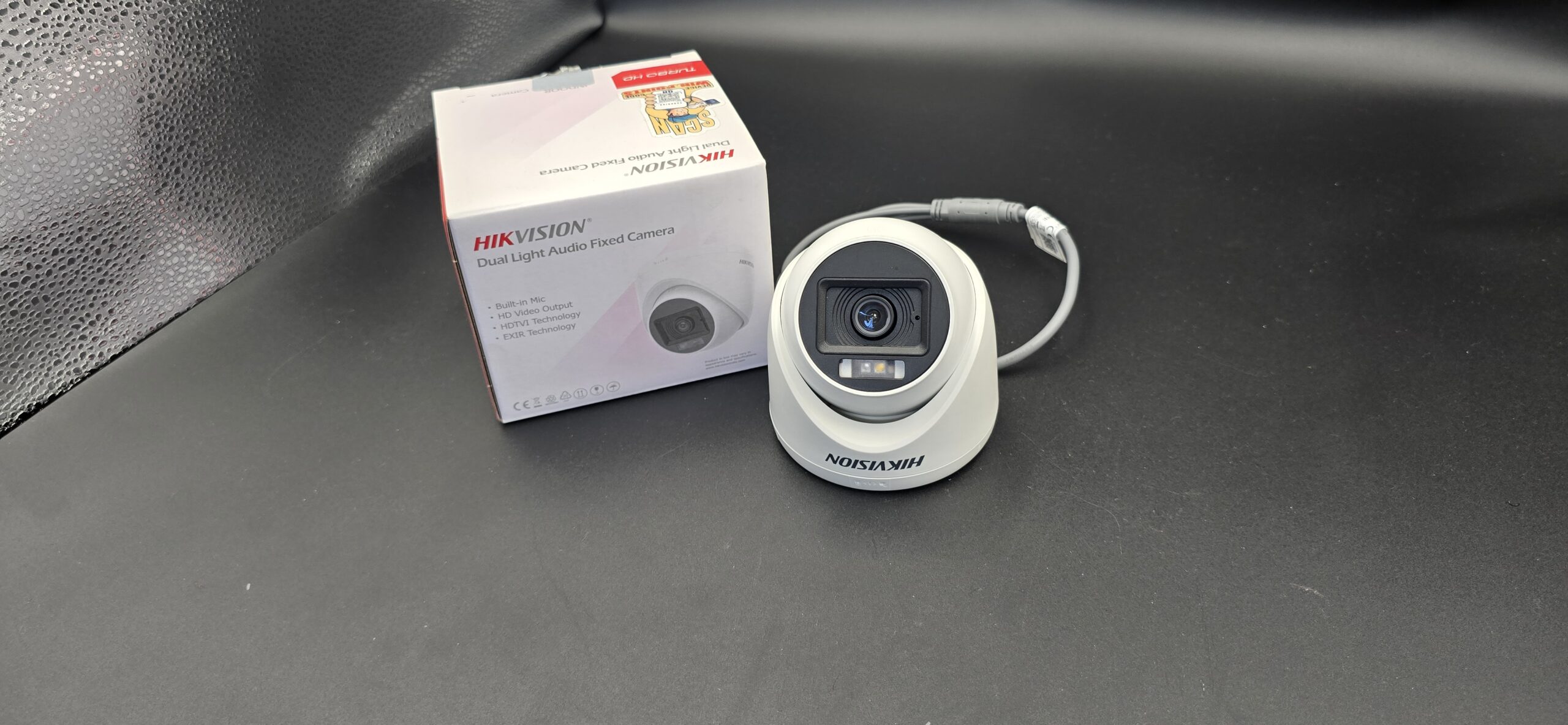
1. Dome Cameras

Ideal for indoor use. They are compact and blend easily with home interiors.

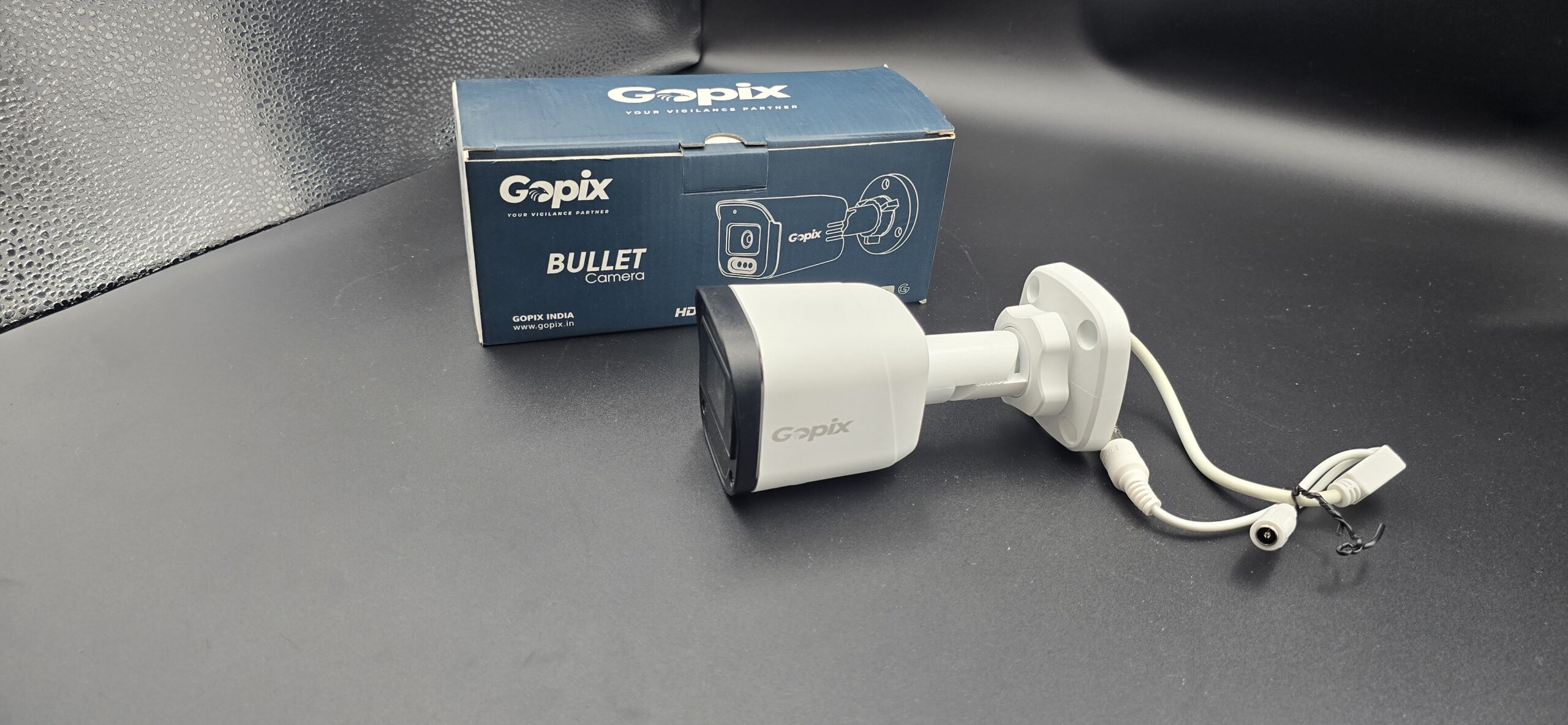
2. Bullet Cameras

Best for outdoor areas like driveways and entrances. Their visible design acts as a deterrent.

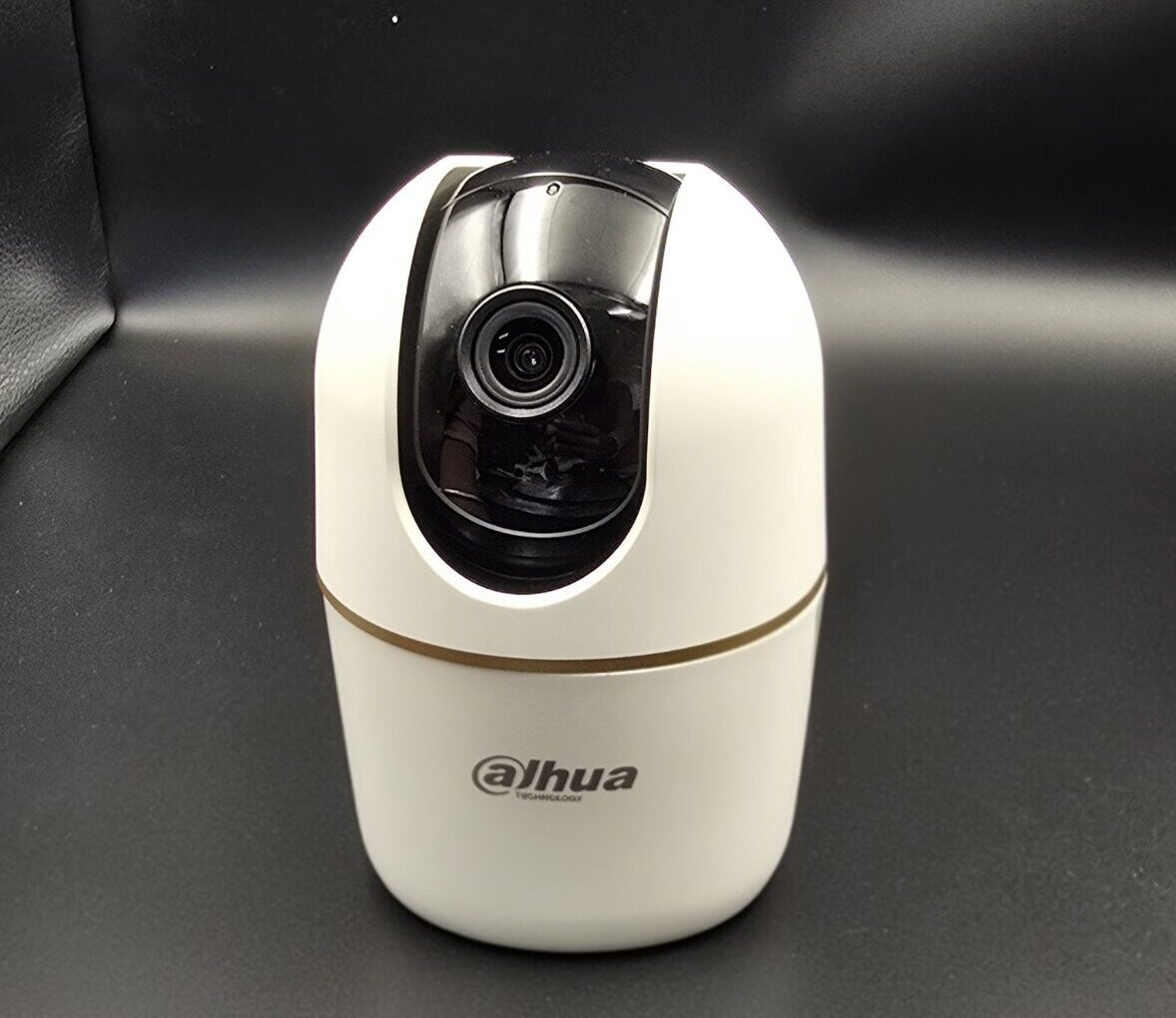
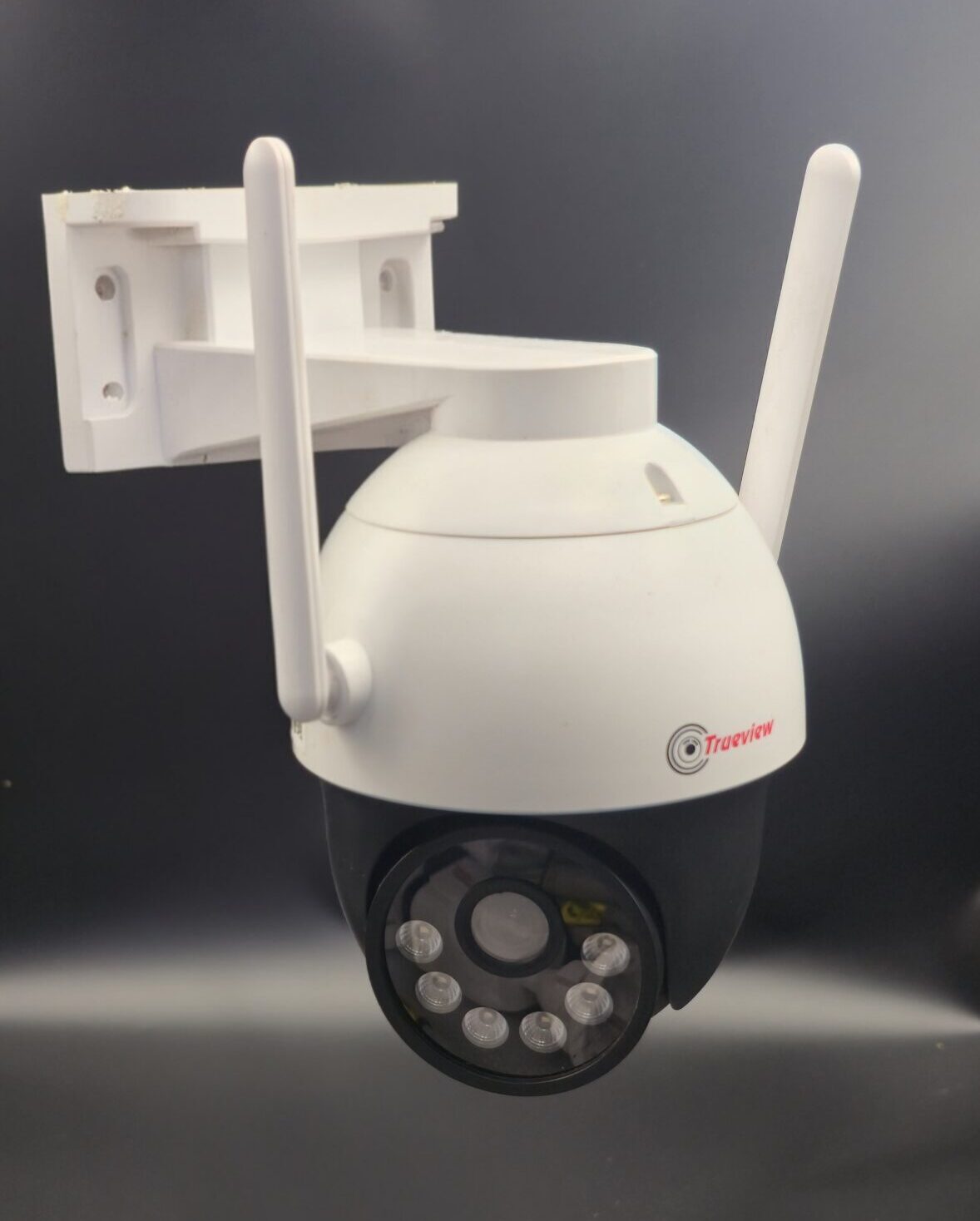
3. PTZ Cameras

These cameras can pan, tilt, and zoom to cover larger areas.

4. IP Cameras

Internet-based cameras that offer high-definition video and remote access.

5. Wireless CCTV Cameras

Easy to install and connect via WiFi with minimal wiring.

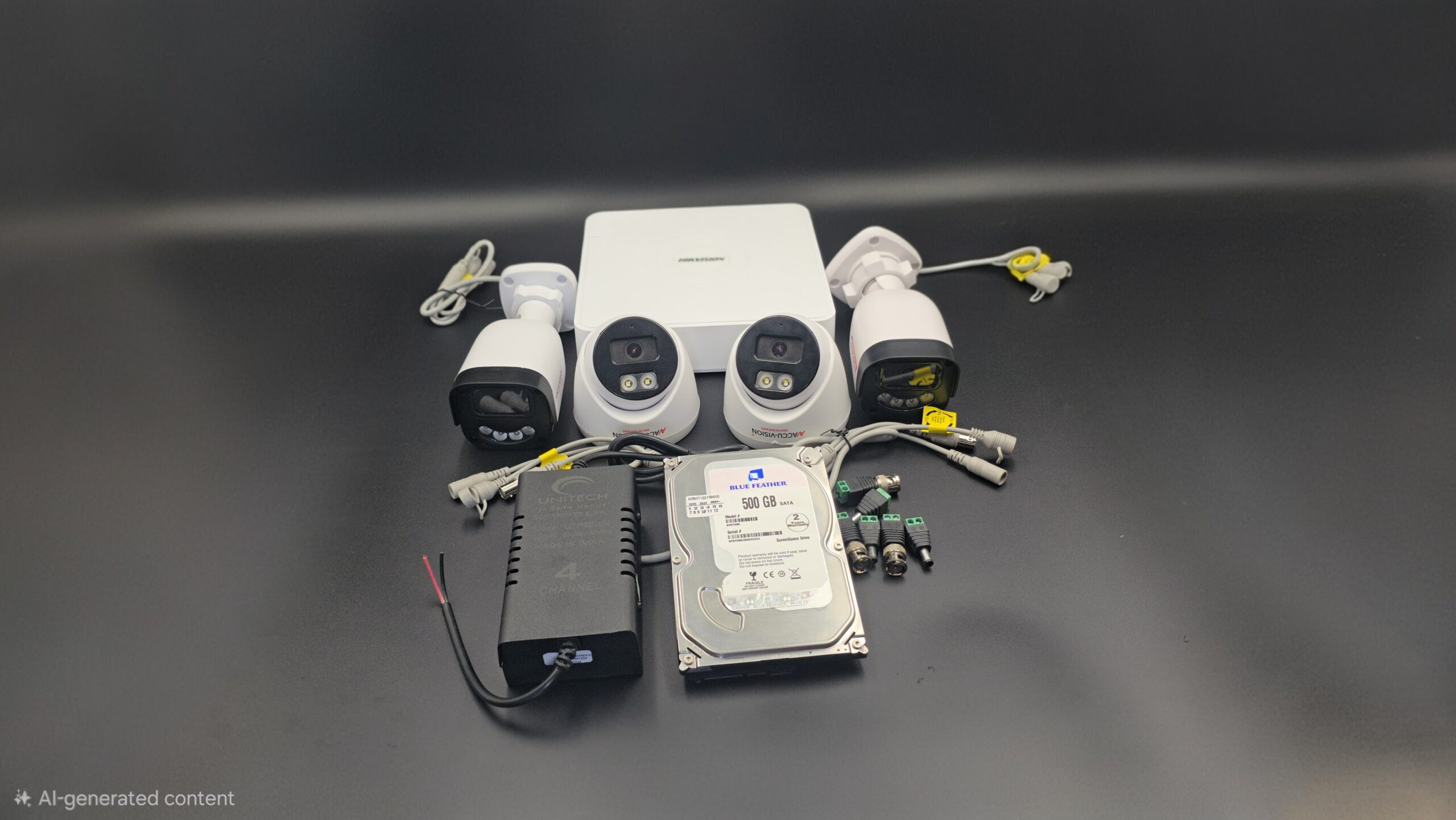
Equipment Needed for Home CCTV Setup

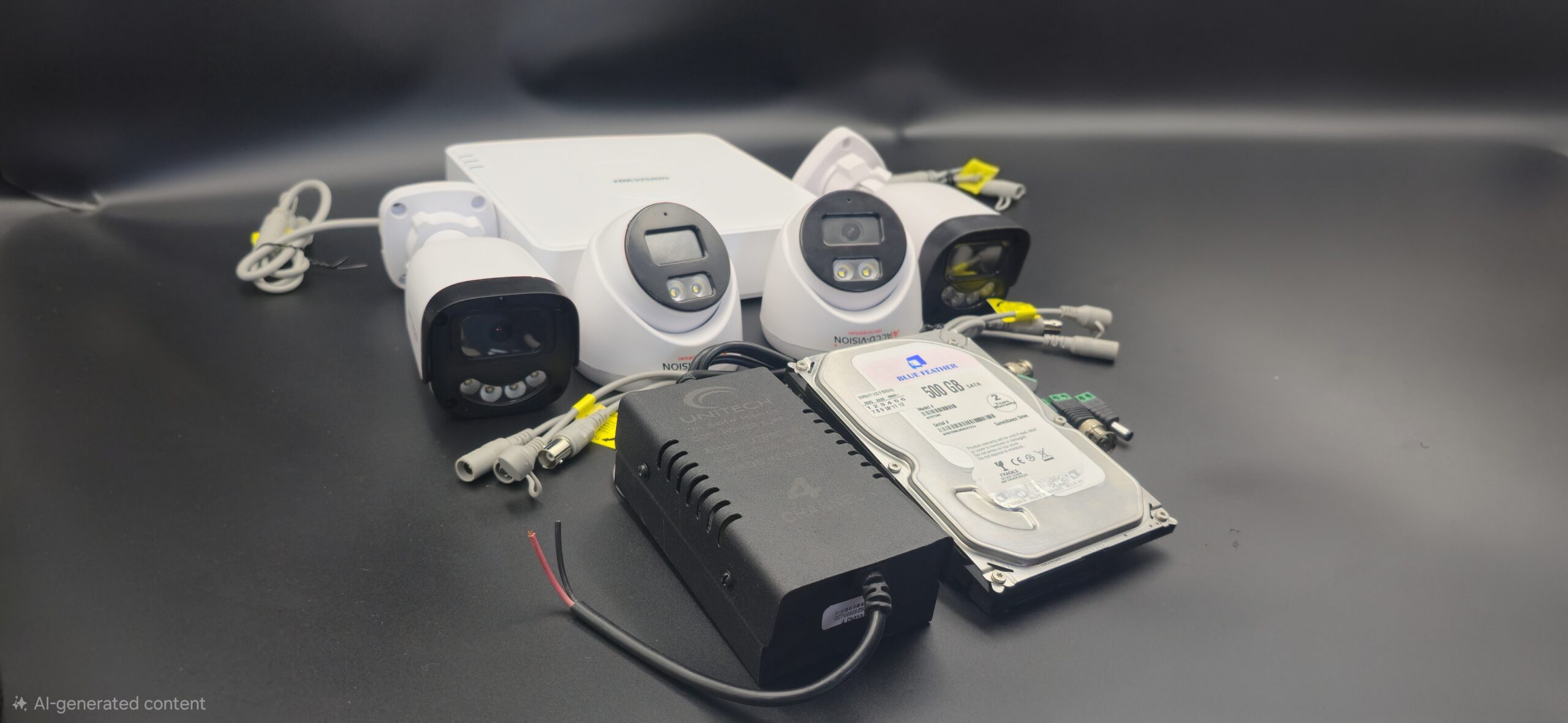
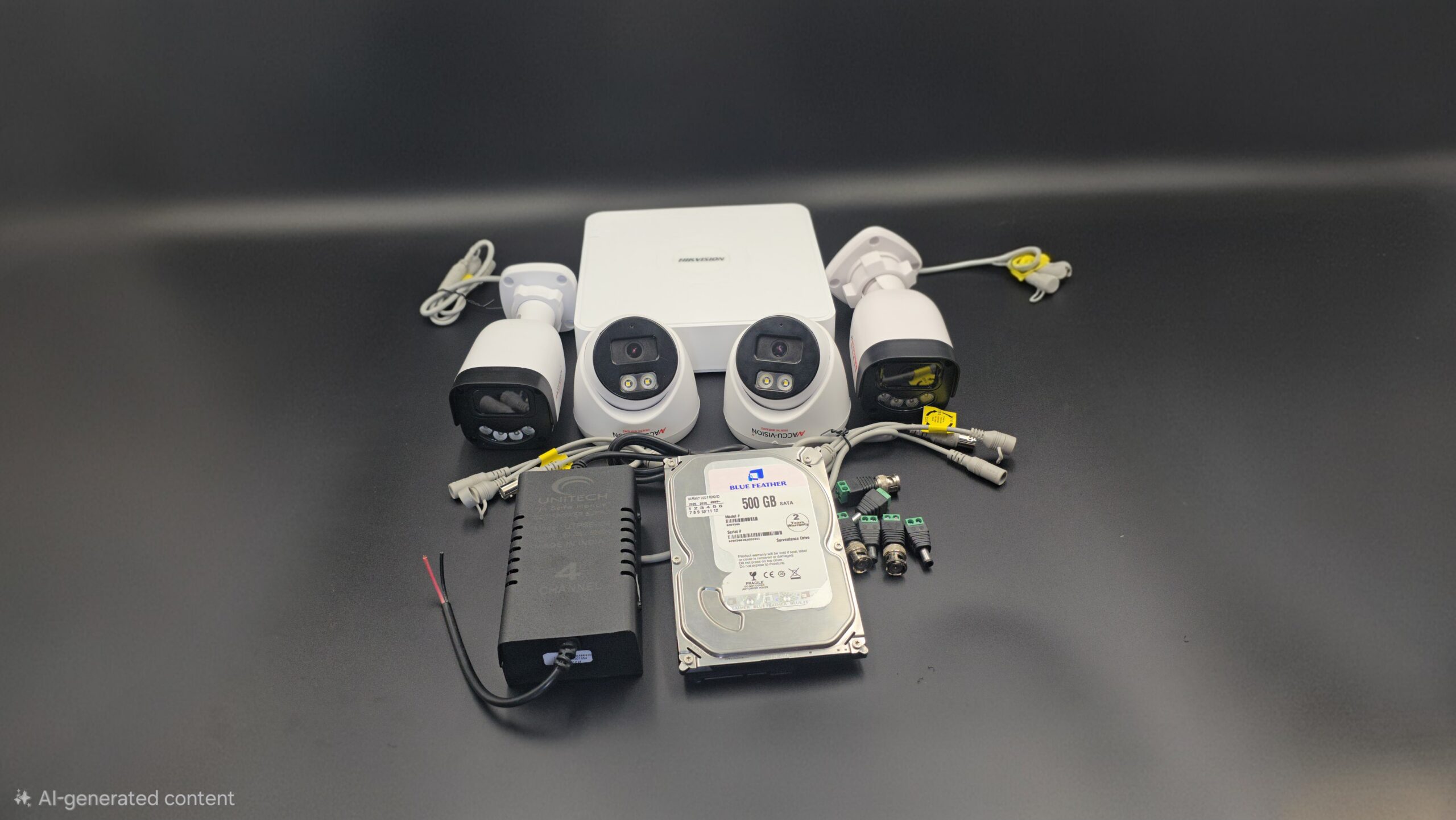
To set up a CCTV system at home, you will need:

Step-by-Step Home CCTV Camera Setup

Step 1: Plan Camera Placement

Identify key areas that require monitoring:

  • Main entrance
  • Back door
  • Garage
  • Driveway
  • Living room
  • Backyard

Avoid placing cameras in private areas such as bathrooms or bedrooms.

Step 2: Install the Cameras

  • Mount cameras 8–10 feet above ground.
  • Secure them firmly using brackets and screws.
  • Adjust angles to cover maximum area without blind spots.
  • Ensure outdoor cameras are weatherproof.

Step 3: Connect Cameras to DVR/NVR

  • For analog systems, use coaxial cables.
  • For IP systems, use Ethernet cables.
  • Install a hard drive inside the DVR/NVR for recording.

Step 4: Connect Power Supply

Plug cameras and recording devices into a power source. Use surge protectors to protect against electrical damage.

Step 5: Connect to Monitor

Use HDMI or VGA cable to connect the DVR/NVR to a monitor or TV. Power on the system and check live camera feeds.

Step 6: Configure Settings

  • Set date and time.
  • Create a strong password.
  • Choose recording mode (continuous or motion detection).
  • Enable remote viewing through a mobile app.
  • Adjust motion sensitivity and alert settings.

Step 7: Test the System

  • Check video clarity and night vision.
  • Test motion alerts.
  • Playback recorded footage.
  • Ensure remote access works smoothly.

Wired vs Wireless Home CCTV Setup

Feature Wired CCTV Wireless CCTV
Installation More complex Easier
Stability Very stable Depends on WiFi
Flexibility Limited movement Easy to relocate
Cost Higher installation cost Lower installation cost

Choose wired systems for long-term reliability and wireless systems for flexibility and easy setup.

Tips for Better Home CCTV Performance

  • Choose cameras with at least 1080p resolution.
  • Ensure proper lighting for clear footage.
  • Keep firmware updated.
  • Clean lenses regularly.
  • Secure your system with strong passwords.
  • Check storage capacity periodically.

Common Mistakes to Avoid

  • Poor camera placement
  • Ignoring blind spots
  • Weak internet connection for IP cameras
  • Using low-quality cables
  • Not testing the system after installation

Conclusion

A proper home CCTV camera setup provides round-the-clock protection and peace of mind. With the right equipment, correct placement, and proper configuration, you can build a reliable security system for your home.

Investing in CCTV is not just about monitoring—it’s about creating a safer environment for your family. Plan carefully, install correctly, and maintain regularly to ensure your home stays secure at all times.
read more

Wifi Security Camera Setup

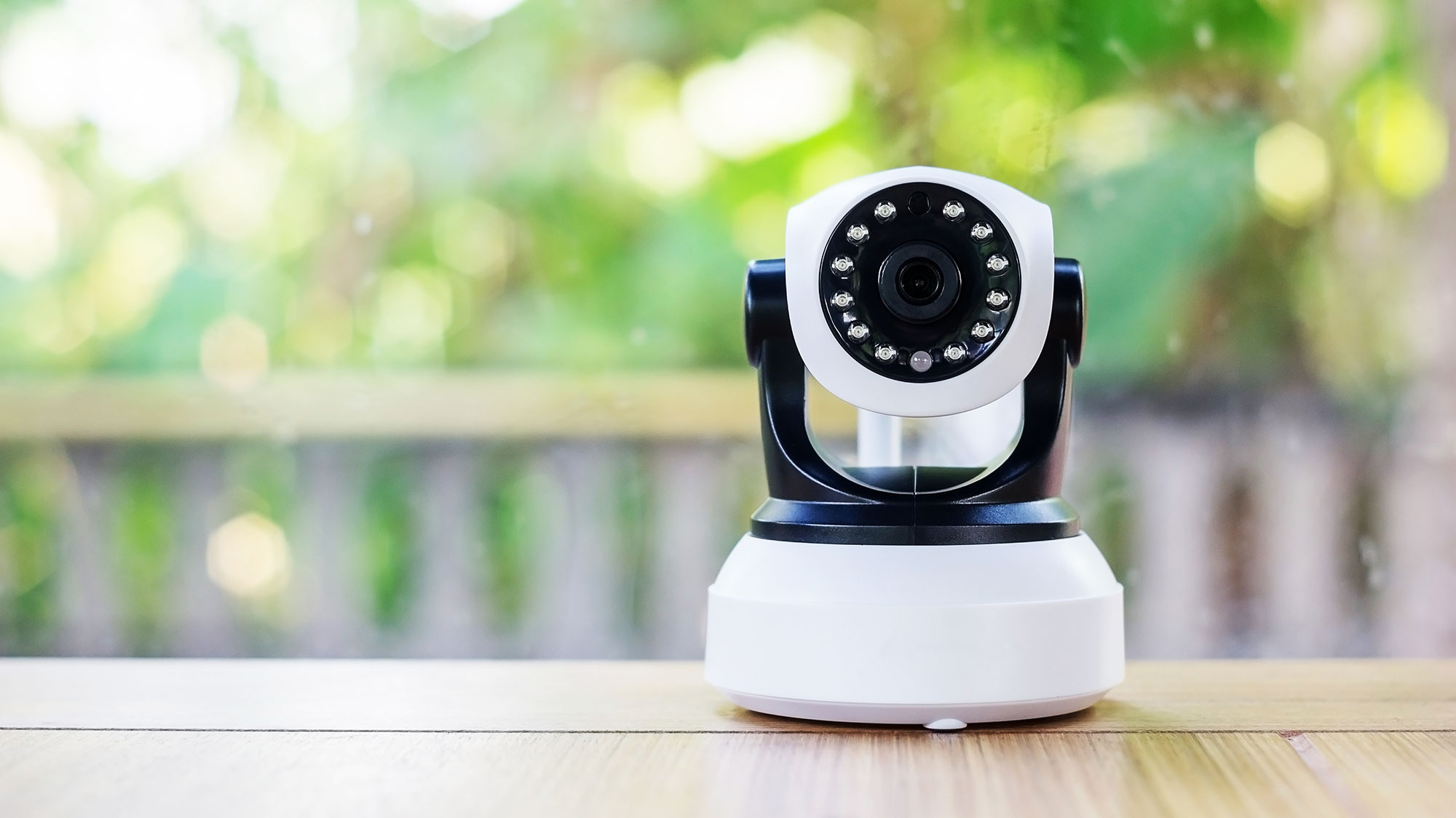
What is a WiFi Security Camera?

A WiFi security camera is a wireless surveillance device that connects to your internet network. Unlike traditional wired CCTV systems, WiFi cameras transmit video data through your router, allowing you to view live footage remotely through a mobile app or computer.

Benefits of WiFi Security Cameras

Installing a WiFi security camera offers several advantages:

  • Easy installation with minimal wiring
  • Remote access via smartphone
  • Real-time alerts and notifications
  • High-definition video quality
  • Flexible placement options
  • Cloud and local storage options

These features make WiFi cameras ideal for homes, small offices, apartments, and rental properties.

Equipment Needed for WiFi Camera Setup

Before starting installation, make sure you have:

Step-by-Step WiFi Security Camera Setup

Step 1: Choose the Right Location

Select a location that provides a clear view of the area you want to monitor, such as:

  • Main entrance
  • Backyard
  • Living room
  • Garage
  • Office entrance

Make sure the camera is within range of your WiFi signal for stable connectivity.

Step 2: Power On the Camera

Plug the camera into a power outlet or insert fully charged batteries. Wait for the indicator light to show that the device is ready for setup.

Step 3: Download the Mobile App

Most WiFi cameras come with a dedicated app. Download it from the Google Play Store or Apple App Store. Create an account or log in.

Step 4: Connect Camera to WiFi

  • Open the app and select “Add Device” or “Setup Camera.”
  • Scan the QR code on the camera (if required).
  • Select your WiFi network.
  • Enter your WiFi password.
  • Wait for the camera to connect successfully.

Ensure you are connecting to a 2.4GHz WiFi network if the camera does not support 5GHz.

Step 5: Mount the Camera

After successful setup:

  • Use mounting brackets to install the camera.
  • Install it at a height of 8–10 feet for better coverage.
  • Adjust the angle to avoid blind spots.

For outdoor cameras, ensure they are weatherproof.

Step 6: Configure Settings

Customize your camera settings:

  • Set motion detection sensitivity
  • Enable push notifications
  • Adjust video resolution
  • Set recording mode (continuous or motion-based)
  • Configure night vision

Also, create a strong password for security.

Step 7: Test the Camera

  • Check live video streaming.
  • Test motion alerts.
  • Verify night vision quality.
  • Playback recorded footage.

Make sure everything works properly before finalizing installation.

Storage Options for WiFi Security Cameras

WiFi cameras typically offer two storage options:

1. Cloud Storage

  • Secure online storage
  • Accessible from anywhere
  • Subscription-based

2. SD Card Storage

  • Local storage inside the camera
  • No monthly fees
  • Limited by card capacity

Choose the option that best fits your needs.

Common WiFi Camera Setup Issues

Here are some common problems and solutions:

Tips for Better WiFi Security Camera Performance

  • Use high-speed internet.
  • Keep firmware updated.
  • Avoid placing cameras near thick walls or metal objects.
  • Secure your WiFi with a strong password.
  • Regularly clean the camera lens.

Conclusion

Setting up a WiFi security camera is simple and convenient. With proper placement, stable internet, and correct configuration, you can monitor your property anytime and from anywhere. Whether for home or office use, WiFi security cameras provide modern, flexible, and reliable security solutions.

Invest in a quality WiFi camera today and enjoy enhanced safety, control, and peace of mind.

read more

Install CCTV Camera in Home

Installing CCTV cameras at home is no longer a luxury—it’s a practical step toward ensuring safety, monitoring daily activities, and gaining peace of mind. Whether you want to protect your property from theft, keep an eye on deliveries, or monitor children and elderly family members, a well-installed CCTV system can make a significant difference. Here’s a complete guide to help you understand everything about installing CCTV cameras in your home.

Why Install CCTV Cameras at Home?

Home security is a growing concern. CCTV cameras act as both a deterrent and a monitoring tool. When potential intruders see cameras installed, they are less likely to target your home. In addition, modern CCTV systems allow remote access through smartphones, so you can monitor your property from anywhere in the world.

Key benefits include:

  • 24/7 surveillance
  • Crime prevention
  • Remote monitoring
  • Evidence collection
  • Increased property value
  • Peace of mind

Types of CCTV Cameras for Home

Before installation, it’s important to choose the right type of camera.

1. Dome Cameras

These are compact and ideal for indoor use. They are discreet and difficult to determine which direction they are facing.

2. Bullet Cameras

Best suited for outdoor areas. They have a long cylindrical shape and are highly visible, which helps deter criminals.

3. PTZ (Pan-Tilt-Zoom) Cameras

These cameras can move in different directions and zoom in for detailed monitoring. They are ideal for large properties.

4. Wireless Cameras

Easy to install and connect via Wi-Fi. They are perfect for homeowners who want minimal wiring.

5. IP Cameras

Internet Protocol (IP) cameras offer high-resolution video and remote access features.

Planning CCTV Camera Installation

Proper planning ensures maximum coverage and effectiveness.

Identify Key Areas

Install cameras at:

  • Main entrance
  • Back door
  • Garage
  • Driveway
  • Living room
  • Backyard

Avoid placing cameras in private areas like bathrooms or bedrooms to respect privacy.

Choose the Right Height

Mount cameras at least 8–10 feet above the ground. This prevents tampering while maintaining a clear view.

Ensure Proper Lighting

Although many cameras have night vision, installing them in well-lit areas improves video quality.

Steps to Install CCTV Cameras at Home

Step 1: Select the Camera System

Choose between wired and wireless systems based on your home layout and internet connectivity.

Step 2: Install the Mounting Brackets

Fix the brackets securely on walls or ceilings using screws and anchors.

Step 3: Position and Adjust the Camera

Attach the camera and adjust the angle to cover the intended area.

Step 4: Connect to Power and Network

  • Wired cameras require cable connections to DVR/NVR.

  • Wireless cameras need Wi-Fi setup and power connection.

Step 5: Configure the System

Install the required mobile app or software. Set up passwords, recording schedules, and motion alerts.

Step 6: Test the System

Check live feed, recording quality, night vision, and motion detection to ensure everything works properly.

Wired vs Wireless CCTV: Which Is Better?

Feature Wired CCTV Wireless CCTV
Installation Complex Easy
Stability Very stable Depends on Wi-Fi
Cost Higher installation cost Lower installation cost
Flexibility Limited Highly flexible

If you want long-term reliability, wired systems are ideal. If you prefer easy installation and flexibility, wireless systems are a better choice.

Maintenance Tips for CCTV Cameras

  • Clean camera lenses regularly.
  • Check cables and power supply.
  • Update firmware and software.
  • Review recorded footage periodically.
  • Ensure storage space is sufficient.

Cost of Installing CCTV at Home

The cost depends on:

  • Number of cameras
  • Camera type
  • Installation charges
  • Storage capacity
  • Brand and features

On average, a basic home CCTV system can range from affordable entry-level packages to more advanced systems with multiple high-definition cameras.

Common Mistakes to Avoid

  • Poor camera placement
  • Ignoring blind spots
  • Weak passwords
  • Not backing up footage
  • Choosing low-quality cameras

Final Thoughts

Installing CCTV cameras in your home is a smart investment in safety and security. With the right planning, proper equipment, and regular maintenance, you can create a reliable surveillance system that protects your loved ones and property. Whether you choose a wired or wireless setup, the key is to ensure full coverage and easy monitoring access.

read more

House Camera Setup

Complete Guide to House Camera Setup for Home Security

Home security has become a top priority for families today. A proper house camera setup helps protect your property, monitor daily activities, and ensure the safety of your loved ones. Whether you live in an apartment, villa, or independent house, installing a CCTV camera system is a smart investment.

In this guide, we explain everything you need to know about setting up security cameras for your home.

Why Do You Need a House Camera Setup?

A home surveillance system provides:

  • 24/7 monitoring
  • Theft and burglary prevention
  • Remote mobile viewing
  • Evidence recording
  • Peace of mind

Modern security systems allow homeowners to monitor their property from anywhere using a smartphone.

Types of Home Security Cameras

1. Indoor Cameras

Used for:

These cameras are compact and easy to install.

2. Outdoor Cameras

Installed at:

  • Main entrance
  • Backyard
  • Parking area
  • Gate

Outdoor cameras are weatherproof and designed to handle rain and dust.

3. Wireless Cameras

4. Wired CCTV Systems

  • More stable connection
  • Suitable for larger homes
  • Connected to DVR/NVR

How Many Cameras Do You Need?

The number of cameras depends on your house size:

  • 1–2 Cameras → Small apartment
  • 3–4 Cameras → 2BHK / small independent house
  • 6–8 Cameras → Large villa or duplex

Proper planning ensures full coverage without blind spots.

Best Camera Placement for Home

For maximum security, install cameras at:

  1. Main entrance door
  2. Back door
  3. Living room
  4. Staircase
  5. Parking area
  6. Backyard

Mount cameras 8–10 feet high for better viewing angles and safety.

Key Features to Look For

When choosing a house camera setup, check for:

  • Full HD (1080p) or 4MP resolution
  • Night vision capability
  • Motion detection alerts
  • Mobile app remote access
  • Cloud or hard disk storage
  • Two-way audio (optional)

These features improve security and convenience.

Storage Options

Home camera systems usually offer:

  • DVR/NVR with 1TB or 2TB hard drive
  • Cloud storage
  • Motion-based recording

Storage capacity depends on recording duration and camera resolution.

Benefits of Professional Installation

While DIY kits are available, professional installation ensures:

  • Proper camera angles
  • Clean wiring
  • Secure mounting
  • Full system configuration
  • Remote viewing setup

Professionals can also customize the system according to your home layout.

Maintenance Tips for Home Cameras

To keep your system working properly:

  • Clean camera lenses monthly
  • Check recording status regularly
  • Update firmware
  • Inspect wiring and connections
  • Test mobile app access

Regular maintenance ensures long-term performance.

Final Thoughts

A well-planned house camera setup protects your home, family, and valuables. Whether you choose a simple 2-camera system or a complete 8-camera CCTV setup, investing in home security provides safety and peace of mind.

If you are looking for professional house camera installation services, contact experienced CCTV experts to design a customized security solution for your home.

read more

8 Camera Setup CCTV

Complete Guide to 8 Camera CCTV Setup for Home & Business Security

An 8 camera CCTV setup is one of the most popular security solutions for medium to large homes, offices, warehouses, retail shops, and commercial buildings. It provides wider coverage, better monitoring, and improved security control compared to smaller systems.

If you’re planning to install an 8 camera CCTV system, this guide will help you understand everything you need to know.

What Is an 8 Camera CCTV Setup?

An 8 camera CCTV system includes:

  • 8 security cameras (indoor and/or outdoor)
  • 8-channel DVR or NVR
  • Hard disk storage (1TB / 2TB / 4TB)
  • Power supply unit
  • Cables or PoE switches (for IP cameras)
  • Monitor and mobile app access

This setup allows you to monitor multiple areas of your property simultaneously.

Where Is an 8 Camera Setup Ideal?

An 8 camera system is perfect for:

It ensures complete coverage of entrances, exits, parking areas, hallways, storage rooms, and other critical zones.

Types of 8 Camera CCTV Systems

1. Analog HD CCTV System

2. IP Camera System (NVR Based)

  • Higher resolution (2MP, 4MP, 4K)
  • Network-based
  • Better video clarity
  • Remote access via internet

IP systems are recommended for businesses needing high-quality video recording.

Benefits of Installing an 8 Camera CCTV System

1. Full Property Coverage

With eight cameras, you can eliminate blind spots and monitor all important areas.

2. 24/7 Monitoring

Continuous recording ensures nothing is missed.

3. Remote Viewing

Access live footage through mobile apps from anywhere.

4. Crime Prevention

Visible cameras act as a deterrent to theft and vandalism.

5. Evidence Recording

Recorded footage can be used for investigation if needed.

Suggested Camera Placement for 8 Camera Setup

Here is a common placement plan:

  1. Main entrance
  2. Back entrance
  3. Parking area
  4. Living room or reception
  5. Hallway or corridor
  6. Backyard
  7. Staircase
  8. Storage or sensitive area

Proper placement ensures maximum security coverage.

Storage Requirements for 8 Cameras

Storage depends on:

  • Camera resolution
  • Recording mode (continuous or motion detection)
  • Number of recording days needed

For example:

  • 1TB – 7 to 10 days recording (basic setup)
  • 2TB – 15 to 20 days
  • 4TB – 30+ days

Businesses usually prefer higher storage capacity.

Cost of 8 Camera CCTV Installation

The cost depends on:

Basic analog systems are more affordable, while IP systems cost more but offer better quality and advanced features.

Professional Installation vs DIY

While DIY kits are available, professional installation ensures:

  • Correct camera angles
  • Secure wiring
  • Proper network configuration
  • Clean and safe installation
  • System testing and support

For commercial properties, professional installation is highly recommended.

Why Choose an 8 Camera CCTV Setup?

If you need wider coverage without installing multiple separate systems, an 8 camera CCTV setup offers the perfect balance between coverage, cost, and performance. It is ideal for growing businesses and medium-sized properties that require reliable security monitoring.

Need Professional 8 Camera CCTV Installation?

If you’re looking for reliable and professional CCTV installation services, choose experts who can design a customized 8 camera security system based on your property layout and security needs.

Secure your home or business today with a high-quality 8 camera CCTV setup.

read more

CCTV Camera FAQs for Beginners

CCTV Camera FAQs for Beginners: Everything You Need to Know Before Buying

If you’re considering installing a CCTV camera system for your home or business, you probably have many questions. With so many types, features, and technical terms, it can feel overwhelming at first.

This beginner-friendly FAQ guide answers the most common questions about CCTV cameras, helping you make an informed decision.

1. What Is a CCTV Camera?

CCTV stands for Closed-Circuit Television. It is a surveillance system that uses video cameras to record and monitor activities in a specific area.

Unlike regular television broadcasts, CCTV footage is transmitted to a limited number of monitors or recording devices for security purposes.

2. How Does a CCTV Camera Work?

A CCTV camera captures video footage and sends it to a recording device such as:

  • DVR (Digital Video Recorder) – for analog systems
  • NVR (Network Video Recorder) – for IP systems

The footage can then be stored, viewed live, or played back later.

3. What Is the Difference Between Analog and IP Cameras?

Analog Cameras:

IP Cameras:

  • Connected through internet/network
  • Higher resolution
  • Remote viewing capability
  • More advanced features

IP cameras are generally preferred for modern security systems.

4. Do CCTV Cameras Work at Night?

Yes. Most modern CCTV cameras come with infrared (IR) night vision technology that allows them to record in low-light or complete darkness.

Some advanced cameras also offer color night vision.

5. Can I View CCTV Cameras on My Phone?

Yes. Most modern systems allow remote viewing through mobile apps.

You can:

  • Watch live footage
  • Playback recorded videos
  • Receive motion alerts
  • Control camera angles (for PTZ cameras)

Remote access is one of the most popular features today.

6. How Much Storage Do I Need?

Storage depends on:

  • Number of cameras
  • Video resolution (HD, 2MP, 4MP, 4K)
  • Recording mode (continuous or motion-based)
  • Retention period (7 days, 30 days, etc.)

A professional installer can calculate the required hard drive capacity based on your needs.

7. Are CCTV Cameras Legal?

Yes, CCTV cameras are legal in most countries for security purposes.

However:

  • Cameras should not be installed in private areas (bathrooms, changing rooms).
  • You must follow local privacy laws.
  • It’s recommended to display CCTV warning signs.

Always check your local regulations before installation.

8. Do CCTV Cameras Record Audio?

Some cameras have built-in microphones, but audio recording laws vary by region. In some areas, recording audio without consent is illegal.

It’s important to verify local laws before enabling audio recording.

9. What Is Motion Detection?

Motion detection allows cameras to start recording only when movement is detected.

Benefits include:

  • Saves storage space
  • Reduces review time
  • Sends instant alerts

This feature is highly useful for home security.

10. How Many Cameras Do I Need?

The number depends on:

  • Size of the property
  • Number of entry/exit points
  • Indoor vs. outdoor coverage
  • Blind spots

A small home may need 2–4 cameras, while businesses may require more extensive coverage.

11. Do CCTV Cameras Need Internet?

Not always.

  • Cameras can record without internet using DVR/NVR systems.
  • Internet is required for remote viewing and cloud storage.

If you only need local recording, internet is optional.

12. How Long Do CCTV Cameras Last?

On average, a quality CCTV camera lasts 5–10 years, depending on:

  • Brand and build quality
  • Weather conditions
  • Maintenance
  • Usage

Regular maintenance increases lifespan.

13. Can CCTV Cameras Be Hacked?

Like any internet-connected device, IP cameras can be vulnerable if not secured properly.

To prevent hacking:

  • Use strong passwords
  • Enable two-factor authentication
  • Keep firmware updated
  • Avoid default settings

Security configuration is essential.

14. Is Professional Installation Necessary?

While DIY installation is possible for small systems, professional installation ensures:

  • Proper camera placement
  • Correct wiring
  • Optimal coverage
  • Secure configuration

For businesses and large properties, professional setup is highly recommended.

Final Thoughts

CCTV cameras are one of the most effective tools for improving safety and peace of mind. Whether for home or business use, understanding the basics helps you choose the right system.

If you’re a beginner, start by identifying your security needs and consult a professional for guidance.

read more

CCTV Camera Installation Checklist

The Ultimate CCTV Camera Installation Checklist (2026 Guide)

Installing a CCTV system is one of the smartest decisions you can make to protect your home, office, warehouse, or retail store. But simply buying cameras isn’t enough. Proper planning and installation determine how effective your security system will be.

To help you get it right, here’s a complete CCTV camera installation checklist to ensure maximum coverage, performance, and long-term reliability.

✅ 1. Identify Your Security Needs

Before purchasing or installing anything, ask yourself:

  • What areas need monitoring? (Entrance, parking lot, cash counter, warehouse, backyard, etc.)
  • Do you need indoor, outdoor, or both types of cameras?
  • Is remote viewing required?
  • Do you need night vision?
  • How long do you want footage stored?

Understanding your needs prevents overspending and ensures proper coverage.

✅ 2. Choose the Right Type of CCTV Camera

Different environments require different cameras.

Common Types:

  • Dome Cameras – Ideal for indoor surveillance
  • Bullet Cameras – Best for outdoor long-distance monitoring
  • PTZ Cameras – Pan, Tilt, Zoom functionality for large areas
  • IP CamerasHigh-definition and remote access
  • Wireless Cameras – Easier installation with flexible placement

Choose based on your property size, lighting conditions, and security level required.

✅ 3. Plan Camera Placement Strategically

Proper positioning is crucial for effective surveillance.

Key Areas to Cover:

Placement Tips:

  • Install cameras at a height of 8–10 feet
  • Avoid pointing directly at bright light sources
  • Ensure clear line of sight
  • Protect outdoor cameras from weather exposure

✅ 4. Check Lighting Conditions

Even the best cameras fail without proper lighting.

✅ 5. Decide Between Wired or Wireless Setup

Wired CCTV

✔ More stable connection
✔ Ideal for large properties
✔ Less interference

Wireless CCTV

✔ Easier to install
✔ Flexible placement
✔ Suitable for small properties

Choose based on your infrastructure and budget.

✅ 6. Ensure Proper Storage Setup

Your CCTV system is only useful if footage is stored correctly.

✅ 7. Secure Power Supply & Backup

Power interruptions can compromise security.

  • Use surge protectors
  • Install UPS (Uninterruptible Power Supply)
  • Consider backup generators for commercial properties
  • Conceal wiring to prevent tampering

✅ 8. Configure Remote Viewing

Modern CCTV systems allow remote monitoring via smartphone or desktop.

  • Install official monitoring apps
  • Set up secure login credentials
  • Enable two-factor authentication
  • Test live streaming and playback features

✅ 9. Test All Cameras Thoroughly

Before finalizing installation:

  • Check video clarity (day and night)
  • Confirm recording functionality
  • Test motion detection alerts
  • Verify remote access
  • Ensure proper date/time stamping

Never skip the testing phase.

✅ 10. Follow Legal & Privacy Regulations

Always ensure compliance with local laws.

  • Inform employees or residents about surveillance
  • Avoid placing cameras in private areas (bathrooms, changing rooms)
  • Display CCTV warning signs
  • Store footage securely

Failure to comply can result in legal consequences.

✅ 11. Schedule Regular Maintenance

Maintenance ensures long-term performance.

  • Clean camera lenses monthly
  • Check cables and connections
  • Update firmware
  • Review footage quality periodically
  • Replace faulty equipment immediately

Final Thoughts

A CCTV system is only as effective as its installation. By following this CCTV camera installation checklist, you ensure better security coverage, improved reliability, and peace of mind.

Whether you’re securing your home or protecting a business, proper planning and professional installation make all the difference.

read more

CCTV Camera Angle and Coverage

CCTV Camera Angle and Coverage: A Complete Guide for Better Surveillance

When installing a CCTV system, many people focus on resolution, storage, or night vision — but one of the most important factors is often overlooked: camera angle and coverage.

A high-quality camera won’t be effective if it’s positioned incorrectly. The right viewing angle and proper coverage planning ensure that you eliminate blind spots and capture clear, useful footage.

In this blog, we’ll explain everything you need to know about CCTV camera angles and coverage.

What Is CCTV Camera Angle?

The camera angle refers to the direction and width of the area that a CCTV camera can capture. It is determined mainly by the camera’s lens size and installation position.

Camera angles are typically measured in degrees, such as:

  • 60° (narrow angle)
  • 90° (medium angle)
  • 110°–120° (wide angle)
  • 180° (ultra-wide angle)

The wider the angle, the more area the camera can capture — but sometimes at the cost of detail.

Understanding Field of View (FOV)

The Field of View (FOV) describes how much area a camera can see horizontally and vertically.

For example:

  • A narrow FOV captures less area but more detail.
  • A wide FOV captures more area but objects may appear smaller.

Choosing the right FOV depends on whether you want to monitor:

  • A specific entry point
  • A long corridor
  • A wide parking lot
  • An entire room

How Lens Size Affects Coverage

Lens size plays a major role in determining angle and coverage.

Lens Size Approximate Angle Best For
2.8mm 100°–120° Small rooms, wide areas
3.6mm 80°–90° Standard home/office use
6mm 50°–60° Entrances, gates
8mm+ 30°–40° Long-distance viewing

Smaller lens (e.g., 2.8mm) = Wider view
Larger lens (e.g., 8mm) = Narrower but more zoomed-in view

Types of CCTV Coverage

🔹 1. Wide-Angle Coverage

Covers a larger area with fewer cameras.
Best for:

  • Living rooms
  • Retail stores
  • Parking spaces

However, fine details may be less sharp at a distance.

🔹 2. Narrow-Angle (Focused) Coverage

Provides detailed images of specific areas.
Best for:

  • Doorways
  • Cash counters
  • Gates
  • License plate capture

🔹 3. 360-Degree Coverage

Some advanced cameras (like fisheye or PTZ cameras) provide panoramic views.

Best for:

  • Large halls
  • Warehouses
  • Conference rooms

How to Calculate Proper Coverage

To ensure effective coverage, consider:

✔ Area Size

Measure the width and length of the space.

✔ Mounting Height

Higher placement increases coverage but may reduce facial detail.

✔ Blind Spots

Check for walls, pillars, furniture, or objects blocking the view.

✔ Lighting Conditions

Poor lighting can reduce effective coverage at night.

Best Camera Placement Tips

  • Install cameras 8–10 feet above ground for optimal angle.
  • Tilt cameras slightly downward (10–15 degrees).
  • Avoid direct sunlight pointing into the lens.
  • Cover all entry and exit points.
  • Ensure overlapping coverage for large areas.

Common Mistakes to Avoid

❌ Installing cameras too high
❌ Choosing wide angle when detail is required
❌ Ignoring blind spots
❌ Not testing live view before final mounting
❌ Covering too much area with one camera

Real-World Examples

🏠 Home Security:
Use a 2.8mm lens for living rooms and a 6mm lens for the main gate.

🏢 Office Setup:
Wide-angle cameras in open workspace, narrow-angle cameras at entrances.

🏬 Retail Store:
Wide coverage for floor monitoring, focused coverage for cash counters.

Why Camera Angle and Coverage Matter

Proper angle and coverage help you:

  • Capture clear facial details
  • Avoid blind spots
  • Reduce the number of cameras needed
  • Improve overall security effectiveness
  • Save installation costs

Even a high-resolution 4K camera cannot compensate for poor placement.

Conclusion

Understanding CCTV camera angle and coverage is essential for building an effective surveillance system. The right lens size, proper positioning, and careful planning ensure maximum visibility and security.

Before installing your CCTV system, always evaluate:

  • Area dimensions
  • Monitoring goals
  • Required detail level
  • Lighting conditions

Smart placement and correct angle selection make your CCTV system truly reliable and efficient.

read more

CCTV Camera Night Vision Range

CCTV Camera Night Vision Range: Everything You Need to Know

Security doesn’t stop when the sun goes down. In fact, most security incidents occur at night — making night vision one of the most important features in a CCTV camera. Whether you’re securing a home, office, warehouse, or parking lot, understanding the night vision range of a CCTV camera helps you choose the right system for your needs.

In this blog, we’ll explain what night vision range means, how it works, and what factors affect its performance.

What Is CCTV Night Vision?

Night vision in CCTV cameras allows them to capture clear footage in low-light or completely dark environments. This is typically achieved using infrared (IR) technology, which enables the camera to “see” even when there is no visible light.

When the light level drops, the camera automatically switches to night mode and activates its infrared LEDs.

What Is Night Vision Range?

The night vision range refers to the maximum distance a CCTV camera can clearly capture images in darkness. It is usually measured in meters or feet.

Common night vision ranges include:

  • 10–20 meters (Indoor/home use)

  • 20–30 meters (Small outdoor areas)

  • 30–50 meters (Commercial spaces)

  • 50–100+ meters (Warehouses, parking lots, industrial areas)

Choosing the right range depends on the size of the area you want to monitor.

How CCTV Night Vision Works

📌 1. Infrared (IR) LEDs

Most CCTV cameras use built-in IR LEDs around the lens. These LEDs emit infrared light that is invisible to the human eye but detectable by the camera sensor.

When darkness is detected:

  • The camera switches to black-and-white mode
  • IR LEDs activate
  • The camera captures images using reflected infrared light

📌 2. Smart IR Technology

Modern cameras use Smart IR, which automatically adjusts the infrared intensity based on object distance. This prevents overexposure when subjects are too close to the camera.

📌 3. Color Night Vision (Low-Light Cameras)

Advanced cameras use:

  • Large image sensors
  • Wide aperture lenses
  • AI image processing

These allow the camera to produce color images even in low-light conditions instead of black-and-white footage.

Factors That Affect Night Vision Range

Even if a camera claims a certain range, performance can vary depending on:

IR LED Power

Stronger IR LEDs provide longer range visibility.

Lens Quality

Better lenses capture more light and improve clarity.

Camera Resolution

Higher resolution (e.g., 4MP, 5MP, 4K) provides clearer night footage.

Environmental Conditions

Rain, fog, dust, and walls can reduce effective night vision distance.

Installation Height & Angle

Improper positioning can limit night visibility.

Types of Night Vision CCTV Cameras

🔹 Standard IR Cameras

  • Black & white at night
  • Affordable
  • Ideal for basic home security

🔹 EXIR / Long-Range IR Cameras

  • Improved infrared spread
  • Longer visibility distance
  • Suitable for warehouses and outdoor spaces

🔹 Color Night Vision Cameras

  • Provide color images in low light
  • Better identification of clothing, vehicles, etc.
  • Higher cost but superior clarity

Night Vision Range Comparison Table

Area Type Recommended Range
Indoor Room 10–20 meters
Small Yard 20–30 meters
Parking Area 30–50 meters
Warehouse 50–80 meters
Large Industrial Site 80–100+ meters

Tips to Improve Night Vision Performance

  • Install cameras away from reflective surfaces
  • Clean the lens regularly
  • Avoid placing cameras behind glass (IR reflection issue)
  • Use additional ambient lighting when possible
  • Choose cameras with Smart IR or color night vision

Why Night Vision Range Matters

Clear nighttime footage helps with:

  • Identifying intruders
  • Recognizing faces
  • Capturing vehicle number plates
  • Monitoring after-hours activity
  • Preventing theft and vandalism

Without proper night vision range, your CCTV system may fail when you need it most.

Conclusion

The night vision range of a CCTV camera is a critical factor in ensuring 24/7 security. While basic cameras may work well for small spaces, larger areas require stronger infrared capability or advanced color night vision technology.

Before purchasing a CCTV system, always evaluate:

  • Area size
  • Lighting conditions
  • Required clarity
  • Budget

Choosing the right night vision range ensures your property stays protected — day and night.

read more

8 Channel DVR vs NVR

8-Channel DVR vs NVR: Which Surveillance System Should You Choose?

When planning a CCTV security system, one of the first decisions you’ll face is choosing between a DVR (Digital Video Recorder) and an NVR (Network Video Recorder). Both systems can support 8 channels (meaning up to 8 cameras), but they use very different technologies and are suited to different use-cases.

In this article, we’ll break down the key differences, pros and cons, and help you decide which option is best for your security needs.

What Is an 8-Channel DVR?

An 8-Channel DVR system connects up to 8 analog CCTV cameras via coaxial cables. It records video digitally onto the DVR’s internal hard drive.

How It Works

  • Cameras connect directly to the DVR using coaxial cables (RG59/RG6)
  • Video is processed and stored on the DVR’s hard disk
  • You can view footage on a monitor or remotely via app/software

Common Uses

  • Residential properties
  • Small offices and shops
  • Budget-friendly installations

What Is an 8-Channel NVR?

An 8-Channel NVR system supports up to 8 IP cameras. NVRs receive digital video data transmitted over network cables (typically Cat5e/Cat6).

How It Works

  • Cameras connect over Ethernet via a network switch or directly through PoE ports (Power over Ethernet)
  • Video is recorded on the NVR’s hard disk
  • Access footage via internet, app, or local monitor

Common Uses

  • Modern commercial buildings
  • Smart homes
  • Offices requiring high-resolution video

DVR vs NVR: Side-by-Side Comparison

Feature 8-Channel DVR 8-Channel NVR
Camera Type Analog IP (Digital)
Video Quality Up to 1080p (varies by system) Up to 4K and higher
Cabling Coaxial + Power cables Cat5e/Cat6 (data + power via PoE)
Installation Moderate Easy with PoE
Remote Access App/Software App/Software
Cost More budget-friendly Slightly higher investment
Scalability Limited Highly scalable
Advanced Features Basic AI, motion detection, analytics
Power Over Ethernet (PoE) No Yes (with PoE NVR)

Main Differences Explained

1. Video Quality

NVR systems have the edge when it comes to clarity. IP cameras can go up to 4K resolution, offering sharper footage especially useful for identifying faces or license plates. DVR cameras usually top out at Full HD or 2MP/4MP.

Winner: NVR

2. Cabling and Installation

DVRs require separate power and video cables for each camera. With NVRs that support PoE, a single Ethernet cable carries both power and data — making installation cleaner and easier.

Winner: NVR (for ease)

3. Cost

8-Channel DVR setups are generally more affordable upfront, especially if you already have coaxial cabling in place. NVR systems might cost more due to IP cameras and PoE infrastructure.

Winner: DVR (for budget)

4. Smart Features

IP cameras connected to an NVR often support advanced analytics like:

  • Motion zones
  • Line crossing alerts
  • Object tracking
  • People counting

Traditional DVR systems usually have simpler features.

Winner: NVR

5. Scalability

Adding more cameras and features is easier with NVR systems, especially in IP network infrastructures. DVR systems are more limited.

Winner: NVR

Which One Should You Choose?

Your choice depends on your needs:

Choose an 8-Channel DVR if:

  • You want a cost-effective system
  • You have existing coaxial cabling
  • You need basic surveillance without advanced features
  • You’re securing a small office or home

Choose an 8-Channel NVR if:

Real-World Examples

Small Store: An 8-Channel DVR works great for basic monitoring without hefty costs.

Office Campus: An NVR setup with 4K IP cameras helps identify events clearly and supports future upgrades.

Cost Breakdown (Approximate)

Component DVR System NVR System
8 Cameras Lower Higher
Recorder Lower Higher
Cabling Analog + Power Ethernet (lower cabling cost)
Features Basic Smart, AI

Final Thoughts

Both 8-Channel DVR and NVR systems are capable surveillance solutions, but they serve different needs.

  • DVR: Best for budget projects with basic requirements.

  • NVR: Ideal for modern, smart, scalable surveillance with higher video quality.

At the end of the day, choosing the right system means understanding your goals, budget, and future needs.

read more