
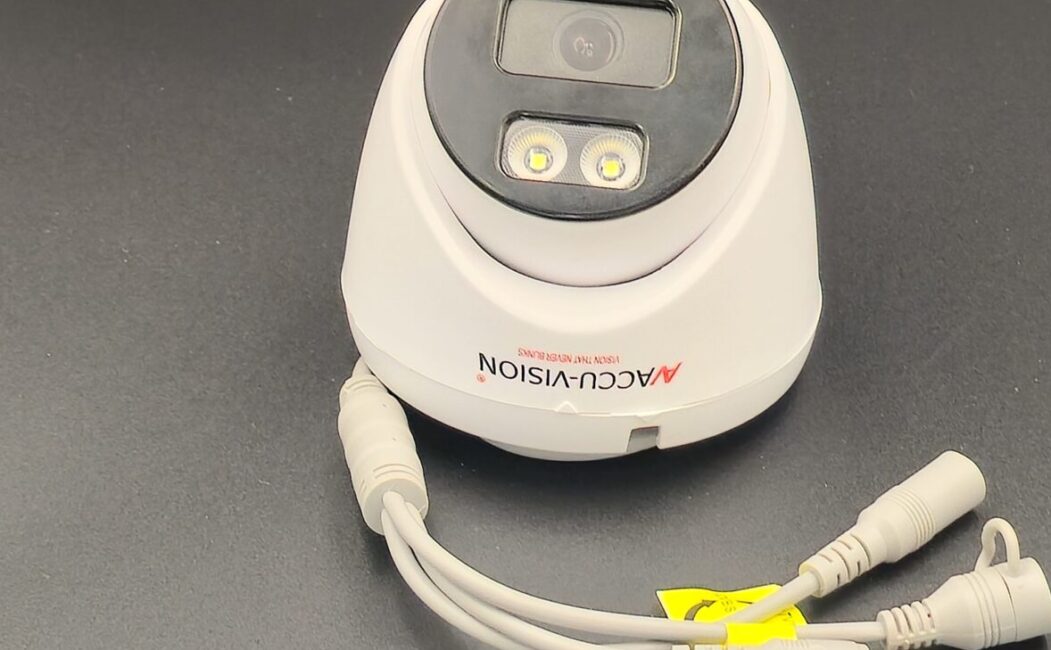
CCTV Camera Backup Battery Options: Ensure 24/7 Security Without Interruptions
Security is something you can’t compromise — especially when it comes to CCTV camera systems. But what happens when the power goes out? Whether it’s a storm, maintenance issue, or unexpected outage, loss of electricity can leave your surveillance blind at the worst possible moment.
That’s where backup battery options for CCTV cameras come in. In this blog, we’ll explore why backup power matters, the types of battery solutions available, how long they last, and how to choose the right one for your security system.
Why Backup Battery for CCTV Cameras Is Essential
When the mains power fails:
✔ Your cameras stop recording
✔ Alerts and notifications stop
✔ Evidence may be lost
✔ Security risks increase
With a backup battery in place, your CCTV system continues recording and protecting your property — even during outages.
Types of CCTV Backup Battery Options
1. UPS (Uninterruptible Power Supply)
A UPS is the most common backup option for CCTV systems. It provides instantaneous backup power when mains electricity fails.
How it works:
- UPS stays connected between the power source and CCTV system
- When power fails, it instantly switches to battery mode
- Keeps cameras, DVR/NVR, and network active
📌 Best for:
Homes, small offices, and systems where short outage coverage (30–120 minutes) is needed
2. Dedicated CCTV Battery Pack
Some manufacturers offer battery packs designed specifically for CCTV systems. These are often compact and optimized for long standby times.
Features:
- Built-in battery management
- Designed to power cameras directly
- Easy to install
📌 Best for:
Wireless or IP cameras with built-in battery support
3. Solar + Battery Backup System
Ideal for outdoor and remote CCTV installations where power supply is limited.
How it works:
- Solar panels charge a battery bank
- The battery powers the cameras during low sunlight or night time
📌 Best for:
Remote sites, construction areas, farms, outdoor perimeters
4. PoE Switch with Battery Backup
For NVR systems using PoE (Power over Ethernet):
Features:
- PoE switch powers cameras and also has battery backup
- Single device for power and network connectivity
- Clean and efficient setup
📌 Best for:
Modern IP camera networks
How Long Do Backup Batteries Last?
- Battery duration depends on:
- Number of cameras
- Power consumption per camera
- Type and capacity of battery (Ah rating)
- Additional devices (DVR/NVR, router)
Here’s a rough estimate:
| System Type | Estimated Backup Time |
|---|---|
| UPS (600–1000 VA) | 30–120 minutes |
| Dedicated battery pack (12V 7Ah) | 1–3 hours |
| Solar + Battery Bank | 6–24+ hours (depends on setup) |
| PoE Battery Backup | 1–5 hours |
⚠ Keep in mind:
Heavy infrared use at night and high-resolution cameras consume more power.
Choosing the Right Backup Battery
✔ Calculate Power Consumption
Add the power draw of:
- Cameras
- DVR/NVR
- Router/Switch
- Monitor (if needed)
This helps you choose the right battery size.
✔ Select Battery Capacity (Ah)
Battery capacity determines the runtime:
Higher Ah = Longer backup time
Examples:
- 12V 7Ah – Basic backup
- 12V 12Ah – Moderate runtime
- 100Ah+ – Extended runtime (large systems or solar setups)
✔ Consider Automatic Shutdown
Some advanced UPS and battery systems can safely shut down devices before the battery drains completely.
✔ Factor in Temperature
Extreme heat or cold reduces battery performance. Keep batteries in a cool, dry place.
Installation Tips
📌 1. Place the battery close to the DVR/NVR – Minimizes cable loss
📌 2. Use a quality UPS brand – Long service life and better protection
📌 3. Check regularly – Test the backup system monthly
📌 4. Label power circuits – Helps during maintenance or repairs
Maintenance and Care
✔ Inspect battery terminals for corrosion
✔ Replace batteries every 2–4 years (lead-acid type)
✔ Keep batteries charged and tested
✔ Update DVR/NVR firmware for power management features
Benefits of Having Backup Power for CCTV
✅ Continued protection during outages
✅ Records critical events even without mains power
✅ Peace of mind for homeowners and businesses
✅ Prevents data loss and video gaps
✅ Supports remote monitoring without interruption
Real Usage Scenarios
🏡 Home Security
A UPS keeps outdoor cameras and the DVR running during night outages.
🏢 Office or Retail Store
Battery backup supports cameras and network equipment until power is restored.
🌾 Remote Farms and Fields
Solar plus battery systems power cameras where grid power isn’t available.
🚧 Construction Sites
Portable battery packs keep temporary cameras functional throughout the day.
Conclusion
Backup power isn’t just a luxury — it’s a necessity for reliable CCTV surveillance. Whether you choose a UPS, dedicated battery pack, PoE backup, or a solar system, having an uninterrupted power plan ensures your cameras keep protecting what matters most.
Before choosing a battery solution, make sure to:
✔ Understand your system’s power needs
✔ Choose the right battery capacity
✔ Test your system regularly
Leave a Reply