
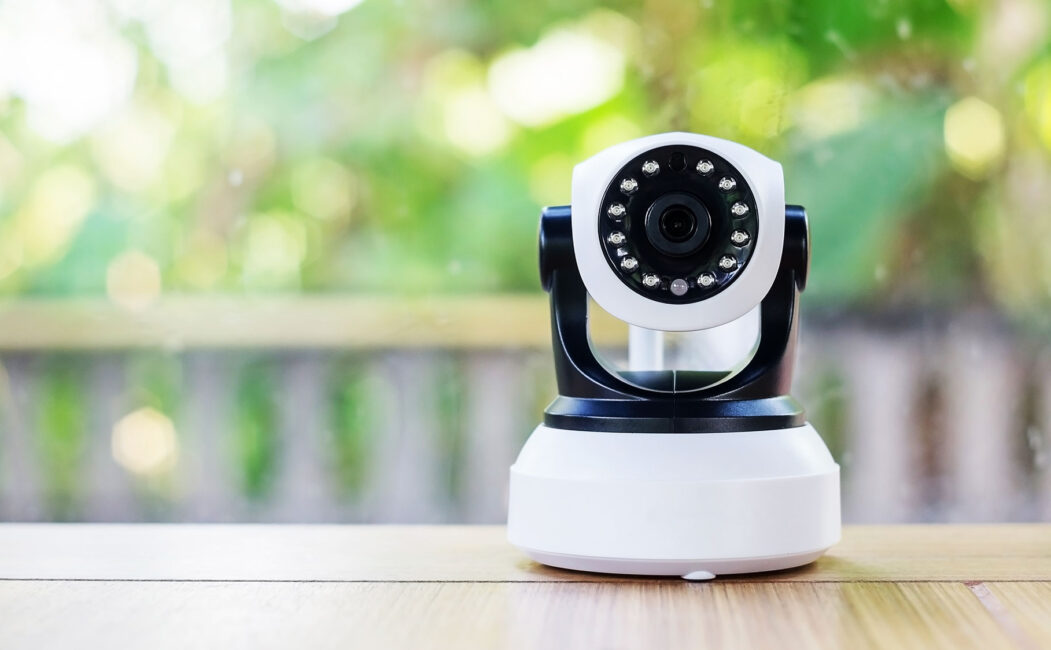
Installing CCTV cameras at home is no longer a luxury—it’s a practical step toward ensuring safety, monitoring daily activities, and gaining peace of mind. Whether you want to protect your property from theft, keep an eye on deliveries, or monitor children and elderly family members, a well-installed CCTV system can make a significant difference. Here’s a complete guide to help you understand everything about installing CCTV cameras in your home.
Why Install CCTV Cameras at Home?
Home security is a growing concern. CCTV cameras act as both a deterrent and a monitoring tool. When potential intruders see cameras installed, they are less likely to target your home. In addition, modern CCTV systems allow remote access through smartphones, so you can monitor your property from anywhere in the world.
Key benefits include:
- 24/7 surveillance
- Crime prevention
- Remote monitoring
- Evidence collection
- Increased property value
- Peace of mind
Types of CCTV Cameras for Home
Before installation, it’s important to choose the right type of camera.
1. Dome Cameras
These are compact and ideal for indoor use. They are discreet and difficult to determine which direction they are facing.
2. Bullet Cameras
Best suited for outdoor areas. They have a long cylindrical shape and are highly visible, which helps deter criminals.
3. PTZ (Pan-Tilt-Zoom) Cameras
These cameras can move in different directions and zoom in for detailed monitoring. They are ideal for large properties.
4. Wireless Cameras
Easy to install and connect via Wi-Fi. They are perfect for homeowners who want minimal wiring.
5. IP Cameras
Internet Protocol (IP) cameras offer high-resolution video and remote access features.
Planning CCTV Camera Installation
Proper planning ensures maximum coverage and effectiveness.
Identify Key Areas
Install cameras at:
- Main entrance
- Back door
- Garage
- Driveway
- Living room
- Backyard
Avoid placing cameras in private areas like bathrooms or bedrooms to respect privacy.
Choose the Right Height
Mount cameras at least 8–10 feet above the ground. This prevents tampering while maintaining a clear view.
Ensure Proper Lighting
Although many cameras have night vision, installing them in well-lit areas improves video quality.
Steps to Install CCTV Cameras at Home
Step 1: Select the Camera System
Choose between wired and wireless systems based on your home layout and internet connectivity.
Step 2: Install the Mounting Brackets
Fix the brackets securely on walls or ceilings using screws and anchors.
Step 3: Position and Adjust the Camera
Attach the camera and adjust the angle to cover the intended area.
Step 4: Connect to Power and Network
-
Wired cameras require cable connections to DVR/NVR.
-
Wireless cameras need Wi-Fi setup and power connection.
Step 5: Configure the System
Install the required mobile app or software. Set up passwords, recording schedules, and motion alerts.
Step 6: Test the System
Check live feed, recording quality, night vision, and motion detection to ensure everything works properly.
Wired vs Wireless CCTV: Which Is Better?
| Feature | Wired CCTV | Wireless CCTV |
|---|---|---|
| Installation | Complex | Easy |
| Stability | Very stable | Depends on Wi-Fi |
| Cost | Higher installation cost | Lower installation cost |
| Flexibility | Limited | Highly flexible |
If you want long-term reliability, wired systems are ideal. If you prefer easy installation and flexibility, wireless systems are a better choice.
Maintenance Tips for CCTV Cameras
- Clean camera lenses regularly.
- Check cables and power supply.
- Update firmware and software.
- Review recorded footage periodically.
- Ensure storage space is sufficient.
Cost of Installing CCTV at Home
The cost depends on:
- Number of cameras
- Camera type
- Installation charges
- Storage capacity
- Brand and features
On average, a basic home CCTV system can range from affordable entry-level packages to more advanced systems with multiple high-definition cameras.
Common Mistakes to Avoid
- Poor camera placement
- Ignoring blind spots
- Weak passwords
- Not backing up footage
- Choosing low-quality cameras
Final Thoughts
Installing CCTV cameras in your home is a smart investment in safety and security. With the right planning, proper equipment, and regular maintenance, you can create a reliable surveillance system that protects your loved ones and property. Whether you choose a wired or wireless setup, the key is to ensure full coverage and easy monitoring access.
Leave a Reply