
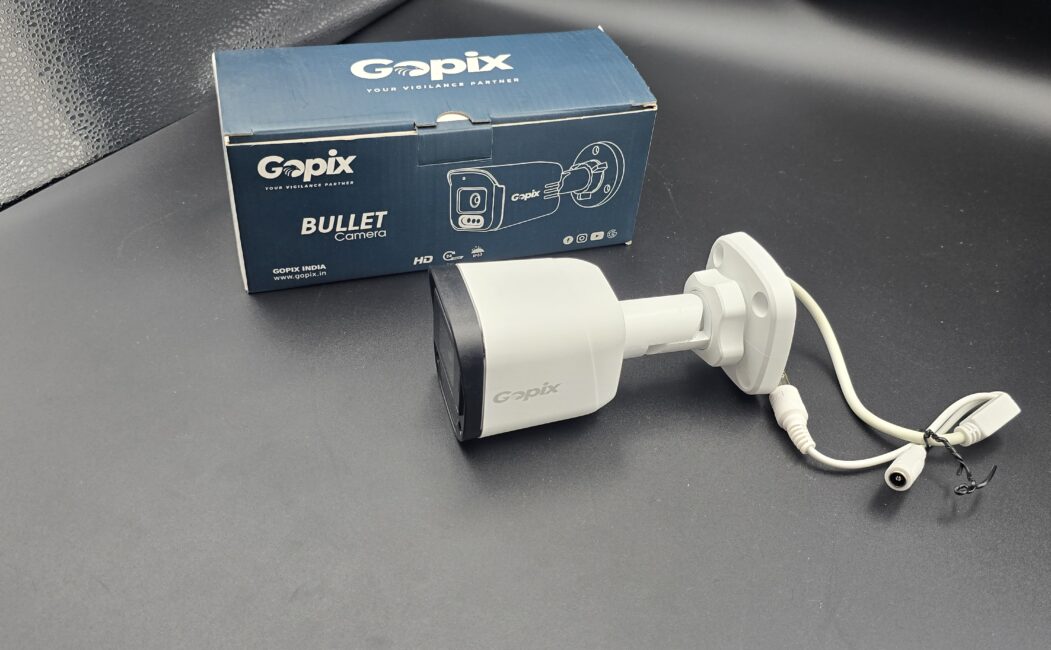
📌 Outdoor CCTV Camera Waterproof Ratings: What You Need to Know
When you’re installing CCTV cameras outside—in the rain, sun, dust, or near sprinkler systems—weatherproofing is critical. The standard way manufacturers indicate this is with an IP rating (Ingress Protection).
🌧️ What Is an IP Rating?
IP stands for Ingress Protection. It’s a two-digit code that tells you how well the camera’s housing protects against dust and water.
-
First digit (0–6): Protection against solids like dust.
-
6 = Dust-tight — best for outdoor use.
-
-
Second digit (0–9): Protection against water ingress.
-
Higher numbers = better water resistance.
-
So a typical outdoor camera might be IP66, IP67, or IP68.
🌦️ Common Outdoor IP Ratings
🔹 IP65 – Good Rain Protection
- Totally protected against dust.
- Can withstand low-pressure water jets (like steady rain).
- Great for most outdoor camera placements — eaves, walls, driveways.
👉 Use case: Regular rainfall areas with standard outdoor exposure.
🔹 IP66 – Heavy Rain & Storm-Ready
- Dust-tight and protected from powerful water jets.
- Handles heavy rain, wind-driven showers, and pressure sprays.
- One of the most common ratings for outdoor CCTV cameras.
👉 Use case: Exposed outdoor cameras on roofs, open yards, compounds.
🔹 IP67 – Highest Outdoor Water Resistance
- Dust-tight and can withstand temporary immersion in water (up to ~1 m for 30 min).
- Ideal if cameras might face flooding, heavy storms, or extreme conditions.
👉 Use case: Flood-prone areas, ground-level cameras, near ponds or pools.
🔹 IP68 – Specialized Protection
- Even stronger protection, often for underwater or harsh industrial environments.
- Rare for typical residential cameras.
🛠️ Why Waterproof Rating Matters
Outdoor CCTV cameras are constantly exposed to weather — rain, dust, humidity, and even water jets from cleaning. Without a proper IP rating, water can seep in, short circuit electronics, or cause corrosion and blurry footage.
⚠️ Important: IP rating applies to the camera housing only, not necessarily the cables or connectors — these also need proper sealing.
🧠 Tips for Choosing Waterproof Cameras
✔️ Always choose at least IP65 for outdoor cameras.
✔️ If your location gets heavy rain, storms, or flooding, go for IP66 or IP67.
✔️ Mount cameras under eaves or protective covers to increase lifespan.
✔️ Check if cables and mounts are also weather-protected, not just the camera body.
📊 Quick Rating Summary
| IP Rating | Dust Protection | Water Protection | Typical Use |
|---|---|---|---|
| IP65 | Dust-tight | Low pressure jets | General rain, moderate weather |
| IP66 | Dust-tight | Powerful jets | Heavy rain, exposed locations |
| IP67 | Dust-tight | Temporary immersion | Harsh weather, flooding zones |
| IP68 | Dust-tight | Extended immersion | Industrial or niche environments |
(Descriptions based on international ingress protection standards.)
🏁 Final Thoughts
For most homes and small businesses, IP65 or IP66 rated outdoor CCTV cameras give you reliable performance against dust and rain — even during monsoons or heavy showers. If you live in a flood-prone or extremely wet area, consider IP67 for added peace of mind.
Leave a Reply