
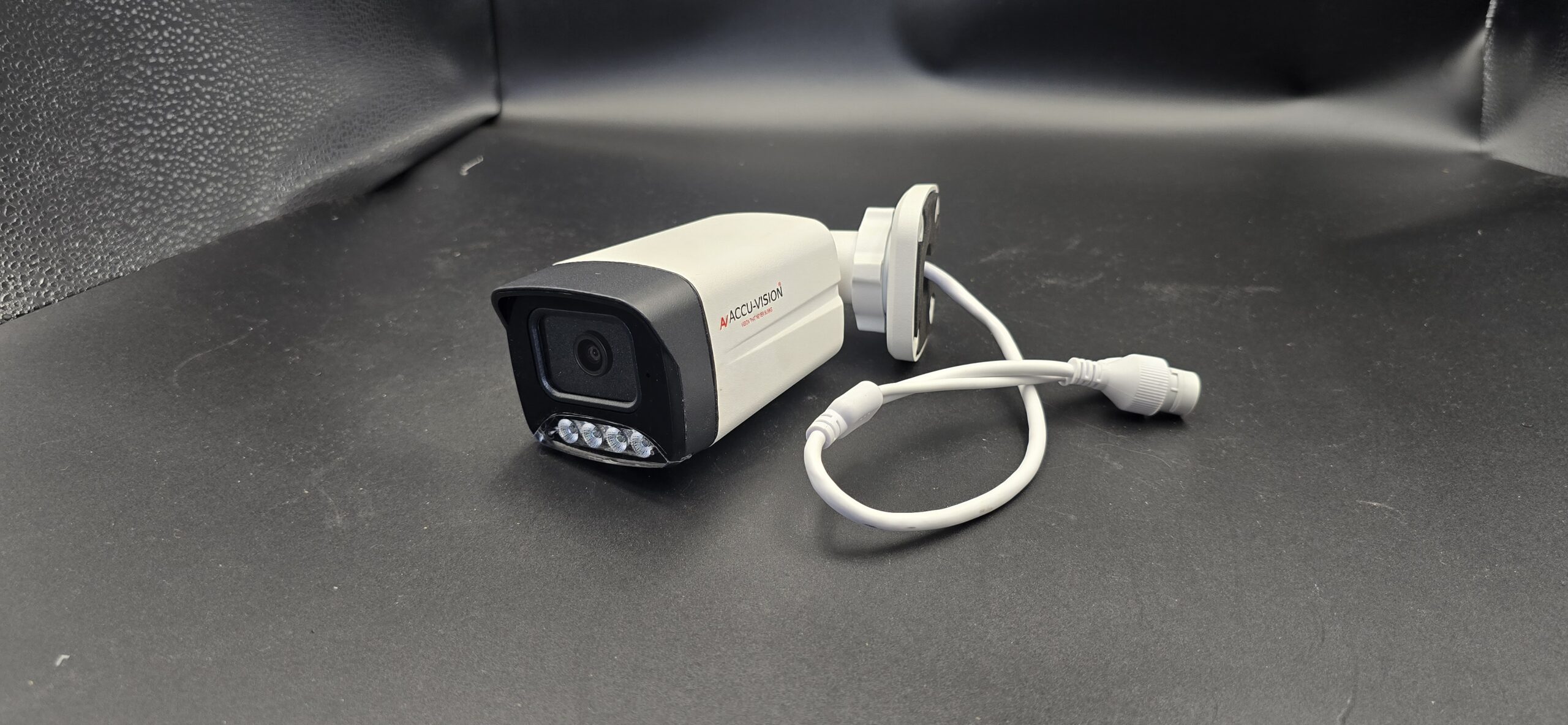
CCTV Camera Complete Setup
CCTV Camera Complete Setup: Step-by-Step Guide for Home & Business
A CCTV camera system is one of the most reliable ways to protect your home, office, shop, or warehouse. A complete setup ensures continuous monitoring, recorded evidence, and remote access for better security control. Whether you are installing a new system or upgrading an existing one, this comprehensive guide will walk you through the entire CCTV camera setup process.
What is a CCTV Camera System?
CCTV (Closed-Circuit Television) is a surveillance system where cameras transmit video signals to a limited set of monitors or recording devices. Unlike public broadcasting, CCTV footage is private and used mainly for security and monitoring.
Components of a Complete CCTV Setup
To install a CCTV system properly, you need the following equipment:
1. CCTV Cameras
These capture video footage. Common types include:
- Dome Cameras – Best for indoor use
- Bullet Cameras – Ideal for outdoor areas
- PTZ Cameras – Can pan, tilt, and zoom
- IP Cameras – Internet-based high-definition cameras
2. DVR or NVR
- DVR (Digital Video Recorder) – Used for analog cameras
- NVR (Network Video Recorder) – Used for IP cameras
3. Hard Drive
Stores recorded video footage. Storage size depends on the number of cameras and recording duration.
4. Cables
- Coaxial cables (analog systems)
- Ethernet cables (IP systems)
- Power cables
5. Power Supply
Provides electricity to cameras and recording devices.
6. Monitor
Used to view live footage and playback recordings.
7. Internet Router
Required for remote viewing via mobile app or computer.
Step-by-Step CCTV Camera Complete Setup
Step 1: Plan Camera Placement
Identify areas that need monitoring, such as:
- Main entrance and exit
- Driveway or parking area
- Backyard
- Hallways
- Cash counter (for businesses)
Avoid installing cameras in private areas like bathrooms or bedrooms.
Step 2: Install Cameras
- Mount cameras at a height of 8–10 feet.
- Secure them using proper screws and brackets.
- Adjust the angle to eliminate blind spots.
- Ensure outdoor cameras are weatherproof and protected.
Step 3: Install DVR/NVR
- Place DVR/NVR in a secure, well-ventilated location.
- Install the hard drive inside the recorder.
- Connect cameras to DVR using coaxial cables (analog) or Ethernet cables (IP).
Step 4: Connect Power Supply
- Connect cameras to their power adapters.
- Plug DVR/NVR into a power outlet.
- Use surge protectors to avoid electrical damage.
Step 5: Connect to Monitor
- Use HDMI or VGA cable to connect DVR/NVR to a monitor or TV.
- Turn on the system and check camera feeds.
Step 6: Configure the System
After powering on:
- Set date and time.
- Create a strong admin password.
- Choose recording mode (continuous or motion detection).
- Adjust video resolution settings.
- Set up remote viewing via mobile app.
Step 7: Test the System
- Check live video quality.
- Test night vision performance.
- Verify motion detection alerts.
- Playback recorded footage.
- Ensure remote access works properly.
Wired vs Wireless CCTV Setup
| Feature | Wired CCTV | Wireless CCTV |
|---|---|---|
| Installation | Complex | Easier |
| Stability | Highly stable | Depends on WiFi |
| Flexibility | Fixed | Easy to relocate |
| Cost | Higher installation cost | Lower installation cost |
Wired systems are more stable for long-term use. Wireless systems are flexible and easier to install.
Tips for Better CCTV Performance
- Choose at least 1080p HD cameras.
- Ensure proper lighting for clear footage.
- Use high-quality cables.
- Regularly update firmware.
- Secure system with strong passwords.
- Clean camera lenses periodically.
Common Mistakes to Avoid
- Poor camera placement
- Ignoring blind spots
- Weak internet connection (for IP cameras)
- Not testing the system
- Using low-quality equipment
Maintenance of CCTV System
To keep your system running smoothly:
- Inspect wiring regularly.
- Clean lenses for better clarity.
- Monitor storage capacity.
- Check hard drive health.
- Review recorded footage periodically.
Conclusion
A complete CCTV camera setup involves proper planning, correct equipment selection, professional installation, and regular maintenance. When installed correctly, a CCTV system provides 24/7 surveillance, improved security, and peace of mind.
Investing in a CCTV camera system is not just about installing cameras—it’s about creating a safer environment for your family, employees, and property.
Recent Comments