
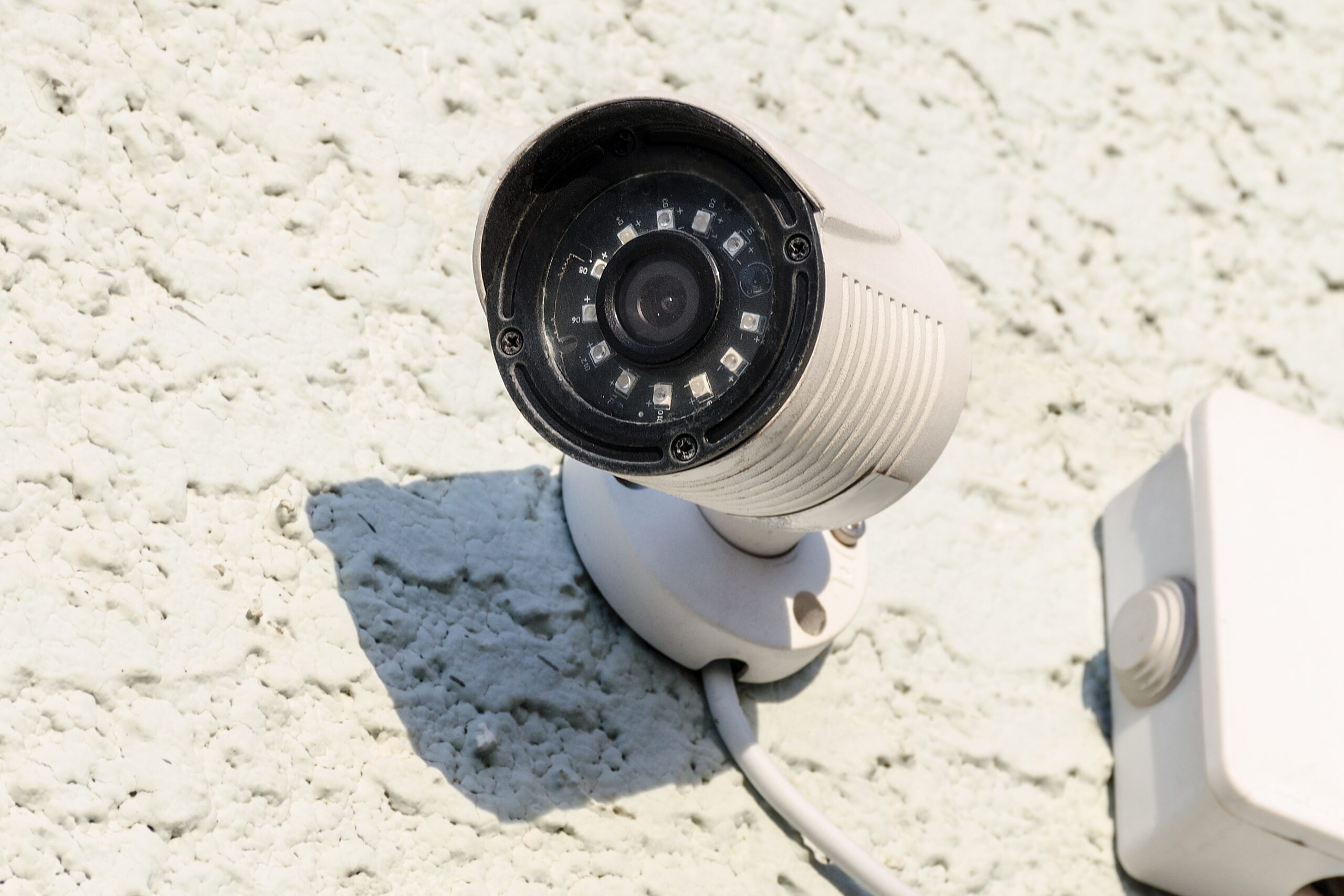
CP Plus CCTV Camera Installation
Here’s a detailed blog you can use if you’re writing about CP Plus CCTV Camera Installation — perfect for homeowners, small business owners, or anyone interested in setting up a CP Plus surveillance system at their property.
📹 Complete Guide to CP Plus CCTV Camera Installation
In today’s world, security is a top priority for every home and business. Installing a high-quality surveillance system like CP PLUS High‑Performing Security Kit with 8 Cameras or CP PLUS Wired 1080P HD Camera Combo Set can significantly enhance safety by giving you real-time monitoring, evidence capture, and peace of mind.
CP Plus is one of India’s most popular CCTV brands thanks to its reliable cameras, smart features, and ease of installation.
🛠️ Why Choose CP Plus for CCTV Installation
CP Plus cameras come with features that make them ideal for home security:
- High-resolution footage for clear video quality
- Night vision for 24/7 monitoring
- Remote viewing on mobile apps
- Smart motion detection alerts
- A wide range of wired and Wi-Fi camera options
Whether you want a basic setup or a full multi-camera system, CP Plus has options to fit your needs.
📍 Step-by-Step Installation Guide
1. Plan Where to Install the Cameras
Before installation, survey your property to identify strategic positions:
- Entry and exit points
- Driveways and parking
- Front porch and backyard
- Inside common areas
Place cameras about 8–10 feet high to maximize coverage and minimize tampering.
2. Unbox and Check Your Components
Most CP Plus camera packages include:
- CCTV Cameras
- Mounting screws and brackets
- Power adapter/cables
- DVR/NVR unit (for wired systems)
- User manual
Verify all parts before starting.
3. Mount the Cameras
For wired cameras:
- Mark holes with the mounting bracket as a template.
- Drill holes and insert wall plugs (if needed).
- Secure the camera bracket.
- Attach the camera and adjust the viewing angle.
For Wi-Fi cameras, most can also be placed on shelves or mounted easily with included hardware. Indoor Wi-Fi models typically don’t require complex wiring.
4. Connect All Cables
- Wired system: Connect the cameras to the DVR/NVR using coaxial or Ethernet (PoE) cables.
- Power supply: Plug cameras into a power source (or PoE switch if using Power over Ethernet).
Keep cables neat using clips or conduits to protect them from damage.
5. Configure the System
Once physically installed:
📱 Remote Viewing Setup
Download the official CP Plus app (such as EzyKam+ or similar), create an account, and add your cameras using the app. This will let you view live feeds and playback recordings.
💻 DVR/NVR Configuration
If you’re using a DVR/NVR:
- Connect it to your monitor via HDMI/VGA.
- Assign camera channels and set up recording schedules.
- Configure network settings for remote access.
6. Test and Fine-Tune
Before calling it complete:
- Check each camera’s angle and make sure the footage is clear
- Test night vision
- Walk around to trigger motion detection
- Verify remote viewing works smoothly
📌 Pro Tips for Best Results
✅ Keep cameras out of direct sun or bright light to avoid washed-out footage.
✅ Use weatherproof housing for outdoor cameras.
✅ Regularly update firmware for improved performance and security.
🧠 DIY vs Professional Installation
DIY Installation
Great for Wi-Fi models and smaller setups. It’s cost-effective and doable with basic tools.
Professional Installation
Recommended for larger CCTV systems or complex wiring (e.g., multiple outdoor cameras and DVR setup). Pros ensure correct placement, secure wiring, and smooth configuration.
🎯 Conclusion
Installing a CP Plus CCTV system strengthens your home security and keeps you connected to what matters most. With clear video quality, smart features, and flexible installation options, CP Plus cameras offer strong protection at an affordable price.
Whether you go for a DIY project or hire a technician, following the right steps ensures you get the best performance from your CCTV system.
Recent Comments